The progression of WEB1, WEB2,WEB3

The progression from Web1 to Web2 and Web3 represents the evolution of the internet from a static information repository to a decentralized, user-owned network. This journey is often summarized as Read-Only (Web1), Read-Write (Web2), and Read-Write-Own (Web3).  LinkedIn
+4
Web1: The "Read-Only" Web (Approx. 1990–2004)
Web1 was the first iteration of the internet, characterized by static, informational websites.
- Characteristics: Read-only, static HTML pages, decentralized in nature (personal websites) but centralized in content creation, low interactivity.
- User Role: Passive consumers of content; users read information but could not interact, comment, or upload content.
- Technologies: HTML, HTTP, URLs.
- Examples: Personal web pages, static company sites, early search engines like Yahoo!.
Web2: The "Read-Write" Web (Approx. 2004–Present)
Web2, or the "social web," brought interactivity and user-generated content to the internet.
- Characteristics: Read-write, highly interactive, social connectivity, platform-dominated (centralized control).
- User Role: Active participants who create, share, and comment on content.
- Key Shift: Shift from static pages to dynamic applications. However, this era resulted in data monopolization by major corporations (Big Tech).
- Technologies: JavaScript, HTML5, CSS3, APIs.
- Examples: Facebook, Twitter, YouTube, Wikipedia, Instagram.
Web3: The "Read-Write-Own" Web (Present–Future)
Web3 is the decentralized evolution of the internet, designed to return data ownership and control to users.  YouTube
- Characteristics: Read-write-own, decentralized, trustless, permissionless, intelligent (AI-integrated).
- User Role: Owners of their digital assets, content, and data.
- Key Shift: Moving from centralized servers to decentralized networks (blockchain).
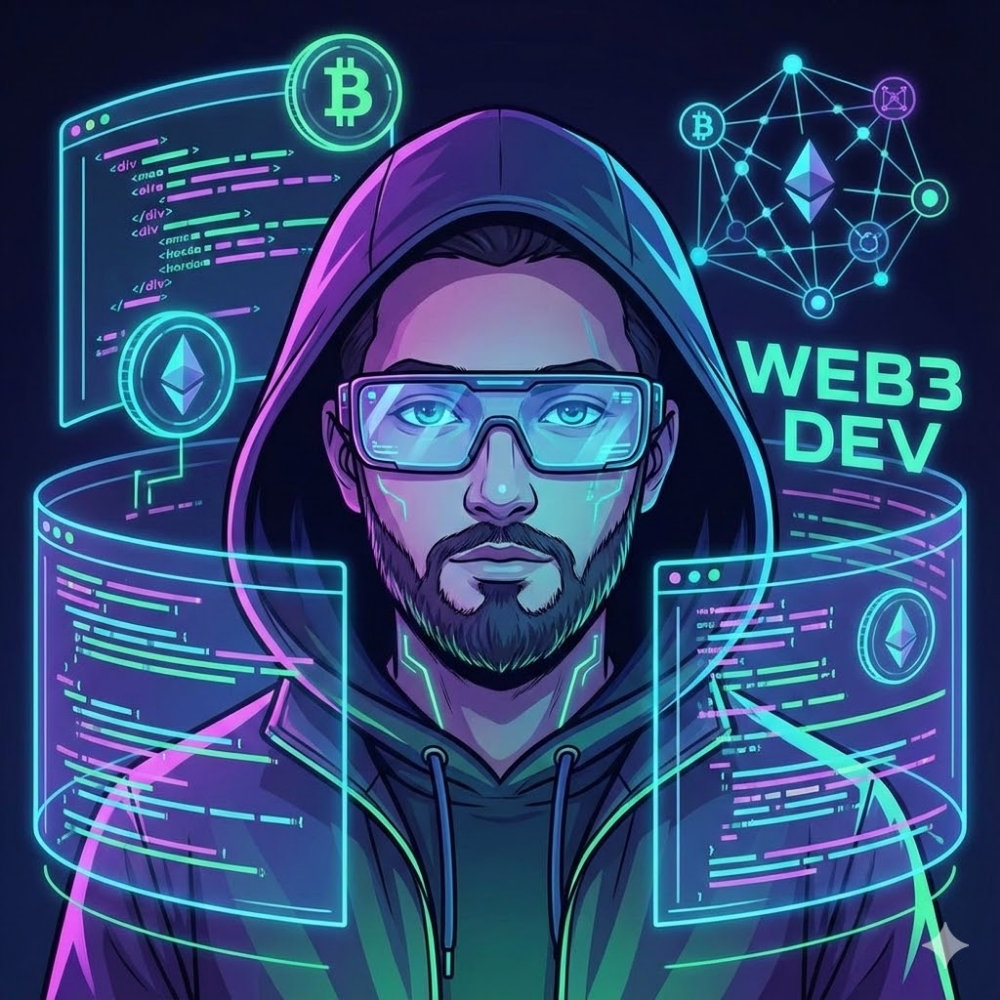
- Technologies: Blockchain, Smart Contracts, DApps (Decentralized Applications), NFTs, DeFi (Decentralized Finance).
- Examples: Ethereum, Uniswap, Brave Browser, decentralized storage like IPFS. YouTube
- +5
Summary of Evolutions
Feature Web1 (Read-Only)Web2 (Read-Write)Web3 (Read-Write-Own)Era1990s - Early 2000s2000s - PresentPresent - FutureFocusInformation SharingSocial InteractionUser Ownership/DecentralizationData ControlSite OwnerCentralized Apps (Big Tech)Distributed/User-ControlledInteractionPassive ReadingActive ContributingPeer-to-Peer TransactionsBackendStatic FilesCentralized DatabaseBlockchain/Smart ContractsIdentityAnonymousAccount-based (Email)Wallet-based (Anon/Pseudonym)
The Emerging Future: Web 5.