Is Crypto Staking Worth It in 2026?

Is Crypto Staking Worth It in 2026?
Cryptocurrency has evolved far beyond simple buying and selling. As the digital asset industry continues to mature, staking has become one of the most popular ways for investors to earn passive income while contributing to the security and efficiency of blockchain networks. But with changing market conditions, new regulations, and evolving blockchain technology, many investors are asking an important question: Is crypto staking still worth it in 2026?
The answer depends on your investment goals, risk tolerance, and the assets you choose to stake. While staking remains an attractive opportunity for many, it is not without challenges.
What Is Crypto Staking?
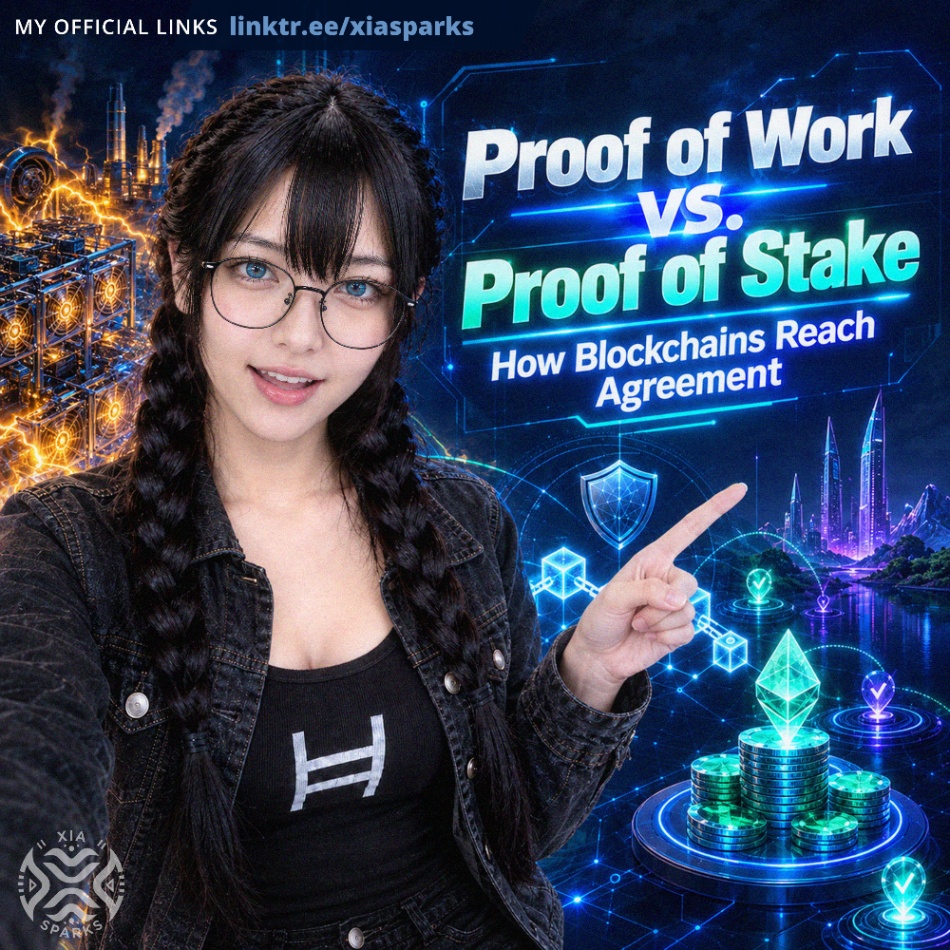
Crypto staking is the process of locking up your cryptocurrency to support the operations of a blockchain network that uses a Proof-of-Stake (PoS) consensus mechanism. In return, participants receive staking rewards, usually paid in the same cryptocurrency.
Unlike mining, which requires specialized hardware and significant electricity, staking is generally more energy-efficient and accessible. Many investors can start staking directly through wallets, exchanges, or staking platforms with relatively small amounts of cryptocurrency.
Why Staking Still Makes Sense in 2026
1. Passive Income Opportunities
One of staking's biggest advantages remains its ability to generate passive income. Instead of leaving digital assets idle in a wallet, investors can earn regular rewards while maintaining long-term ownership of their holdings.
2. Growing Proof-of-Stake Adoption
More blockchain networks continue to adopt or improve Proof-of-Stake systems because of their scalability, lower energy consumption, and stronger economic incentives. This expanding ecosystem provides investors with more staking opportunities than ever before.
3. Supporting Blockchain Security
When users stake their tokens, they help validate transactions and secure the network. In return, the blockchain rewards participants for contributing to its stability and decentralization.
4. Long-Term Investment Strategy
For investors who believe in the long-term growth of a cryptocurrency, staking can increase overall returns. Instead of simply waiting for prices to appreciate, staking allows holders to accumulate additional tokens over time.
The Risks You Should Consider
Although staking offers attractive benefits, it is not risk-free.
Price Volatility
Staking rewards may not offset losses if the value of the underlying cryptocurrency falls significantly. Investors should evaluate both reward rates and market conditions before committing their assets.
Lock-Up Periods
Some staking programs require assets to remain locked for a specific period. During this time, investors may be unable to sell their holdings if market conditions change.
Validator and Platform Risks
Those who delegate their tokens to validators or use third-party staking services should choose reputable providers. Poor validator performance, security breaches, or platform failures can reduce rewards or even result in financial losses.
Regulatory Uncertainty
Governments around the world continue to develop regulations for digital assets. Changes in tax laws or staking regulations could influence how profitable staking remains in different regions.
How to Decide If Staking Is Right for You
Before staking your cryptocurrency, ask yourself a few important questions:
- Am I investing for the long term?
- Can I comfortably leave my assets locked if required?
- Have I researched the blockchain and validator?
- Do the potential rewards justify the risks?
- Am I diversifying instead of relying entirely on staking?
Answering these questions honestly can help you make more informed investment decisions.
Tips for Successful Crypto Staking
To maximize your chances of success:
- Research every project before staking.
- Use trusted wallets or reputable staking platforms.
- Diversify across multiple cryptocurrencies instead of staking only one asset.
- Keep your wallet secure with strong passwords and two-factor authentication.
- Stay informed about network upgrades and changes in staking rewards.
Looking Ahead
Crypto staking continues to evolve alongside the broader blockchain industry. Innovations such as liquid staking, improved validator infrastructure, and greater institutional participation are making staking more flexible and accessible than ever before.
However, investors should remember that higher rewards often come with higher risks. Careful research and proper risk management remain essential.
Conclusion
In 2026, crypto staking remains a worthwhile option for many investors seeking passive income and long-term exposure to digital assets. While market volatility, regulatory developments, and platform risks require careful consideration, staking continues to play a vital role in modern blockchain ecosystems.
For investors willing to research projects, choose reliable staking providers, and maintain a long-term perspective, staking can be a valuable addition to a diversified cryptocurrency strategy. As with any investment, success comes from balancing opportunity with informed decision-making rather than chasing the highest reward rates.