Uniqueness of web3

Introduction
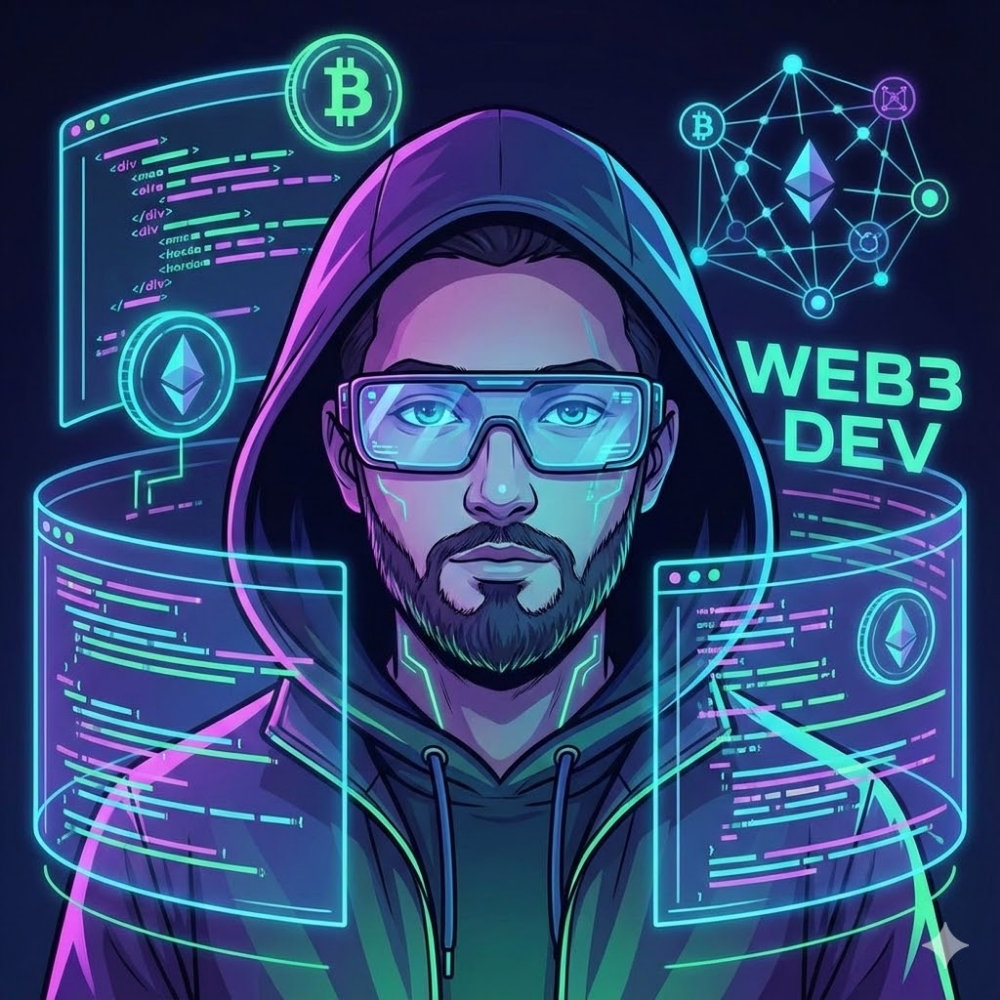
Web3 represents a paradigm shift in the digital landscape, characterized by the integration of blockchain technology and a focus on decentralization, user autonomy, and innovative economic models. As we transition from Web2, the era dominated by centralized platforms
Web3 offers distinct features that set it apart, promising to enhance the way we interact, transact, and build communities online.
Decentralization: Power to the Users
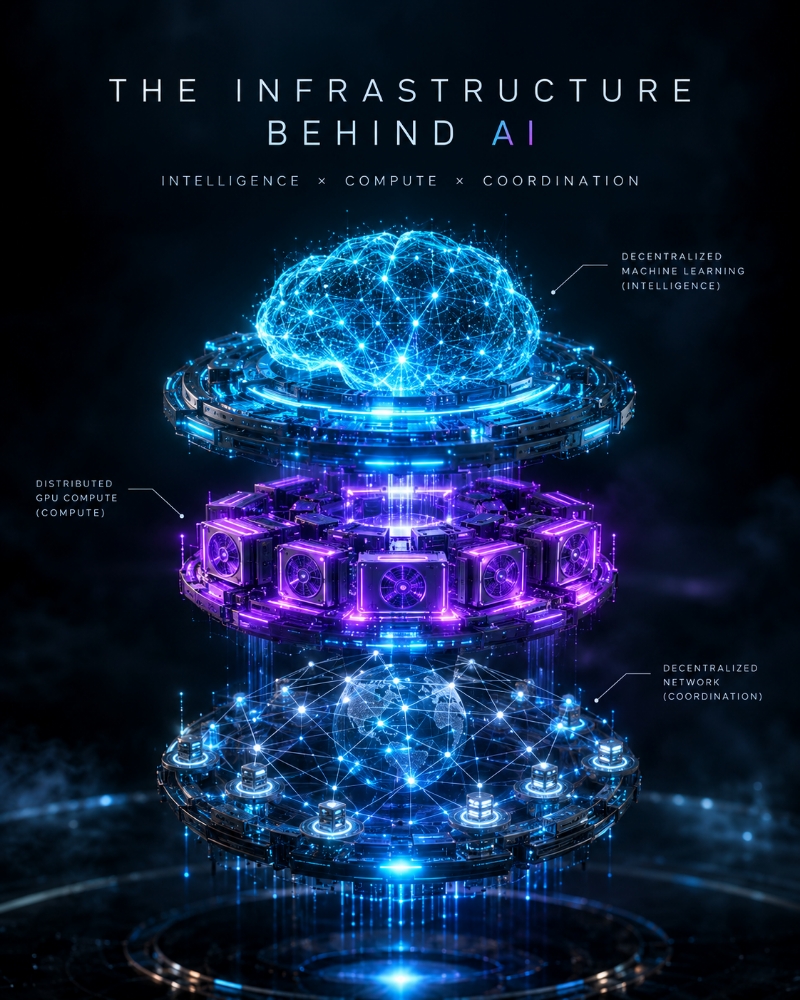
At the core of Web3 is the principle of decentralization. Unlike Web2, where a handful of corporations control vast amounts of user data and dictate the rules of engagement, Web3 enables a distributed network where users hold the reins.
Smart Contracts: Automation and Trust
Another defining characteristic of Web3 is the use of smart contracts. These self-executing contracts, with the terms of the agreement directly coded into them, facilitate trustless transactions and operations. In Web3, smart contracts can automate processes across various sectors, including finance, real estate, and gaming, eliminating the need for trusted third parties.
True Digital Ownership with NFTs
Web3 also introduces the concept of true digital ownership through non-fungible tokens (NFTs). Unlike traditional digital assets, NFTs can represent verifiable ownership of unique items—be it art, music, or virtual real estate. This fosters new economic opportunities for creators, allowing them to monetize their work directly while providing collectors with verifiable ownership.
Community and Governance: A New Era of Collaboration
In Web3, community-driven governance is another pivotal element. Many projects are designed to be open-source, fostering collaboration among developers and users alike. Decentralized Autonomous Organizations (DAOs) are emerging as structures that allow community members to collectively make decisions regarding a project's direction, funding, and policies. This participatory model ensures that platforms prioritize the needs of the users rather than the interests of corporate shareholders.
Interoperability: Bridging Ecosystems
Interoperability is a crucial feature of Web3, enabling different platforms and blockchains to communicate and work together seamlessly. This interconnectedness not only allows for the exchange of assets and information across various ecosystems but also enhances user experience.
Conclusion
The uniqueness of Web3 lies in its foundational principles of decentralization, user empowerment, automation through smart contracts, true digital ownership, community governance, and interoperability. As this new web evolves, it has the potential to create a more equitable digital landscape, one where users are at the forefront of innovation and ownership.