The importance of decentralization in web3

The evolution of the internet has brought us to a new phase often referred to as Web3. At the core of this transformation lies a powerful concept called decentralization.
Unlike traditional internet systems where control is concentrated in the hands of a few large corporations, decentralization redistributes power, ownership, and decision making across a network of users.
This shift has significant implications for how we interact, transact, and build online communities.
One of the most important benefits of decentralization is user ownership.
In Web2 platforms, users generate content and data, but companies ultimately control and profit from it. In a decentralized Web3 environment, users can truly own their digital assets, identities, and contributions.
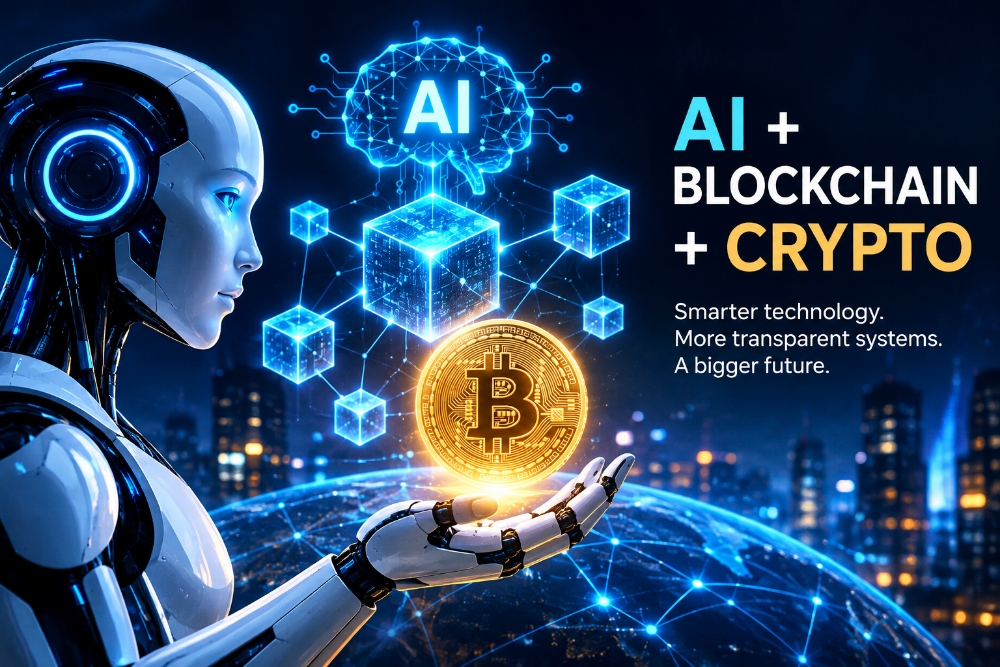
This is made possible through blockchain technology, which records information transparently and securely without relying on a central authority.
Another key advantage is increased security and resilience. Centralized systems are vulnerable to single points of failure.
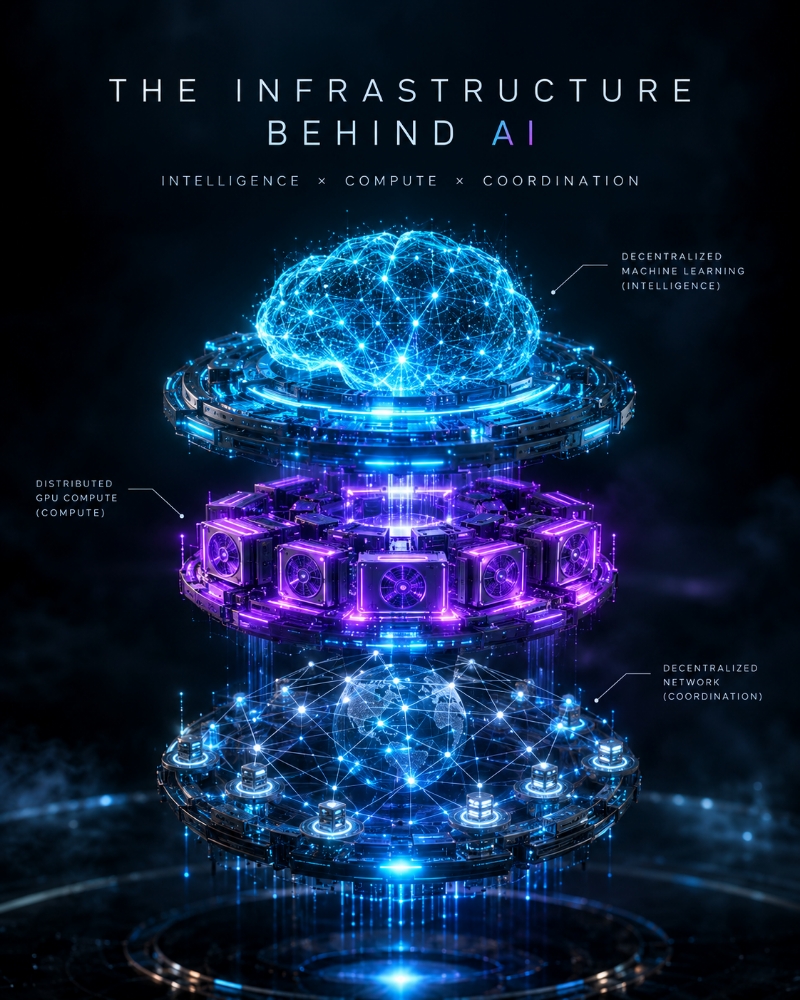
If a server goes down or is attacked, the entire system can be disrupted. Decentralized networks distribute data across many nodes, making them much harder to compromise.
This structure enhances reliability and ensures that services remain accessible even in the face of technical issues or malicious attacks.
Decentralization also promotes transparency and trust. Transactions and operations on decentralized networks are often publicly verifiable. This openness reduces the need to trust intermediaries and allows users to independently verify information.
As a result, systems become more accountable and less prone to manipulation or hidden agendas.
Censorship resistance is another major benefit. In centralized systems, authorities or corporations can restrict access to information or services.
Decentralized platforms make it significantly more difficult for any single entity to control or suppress content. This empowers individuals to express themselves freely and access information without undue interference.
Economic inclusion is also enhanced through decentralization. Traditional financial systems can exclude people due to geographic, economic, or regulatory barriers.
Web3 technologies enable peer to peer transactions without intermediaries, allowing more people to participate in global economic activities. This opens up opportunities for individuals who were previously underserved or excluded.
Despite its advantages, decentralization does come with challenges. Scalability, user experience, and regulatory concerns are still being addressed.
However, ongoing innovation continues to improve these aspects, making decentralized systems more practical and accessible.
Decentralization is a foundational principle of Web3 that reshapes how the internet operates.
By shifting control from centralized authorities to distributed networks, it empowers users, enhances security, fosters transparency, and promotes inclusivity. As Web3 continues to evolve, decentralization will play a critical role in building a more open, fair, and resilient digital future where everyone have access.