Top RWA Tokenization Development Companies: Costs, Timelines, and Compliance

Real-world asset tokenization starts with a business question:
how can an asset be issued, owned, transferred, and managed more efficiently?
The answer requires more than a smart contract. A working platform needs investor onboarding, enforceable ownership rights, secure custody arrangements, payment integrations, reporting, and controls that reflect the offering’s legal structure.
Choosing an RWA tokenization development company therefore means choosing a partner for a financial product, its operating workflows, and its investor experience.
This guide features ten companies worth evaluating, with Techfyte and ChicMic Studios as the featured choices for custom platform development, followed by eight providers based in, or maintaining an established presence in, the United States.
Editorial note: The ordering reflects this article’s focus on custom development and product delivery. It is a promotional shortlist, not an independently audited ranking of market share, security, or regulatory performance. The companies include custom developers, software platforms, and institutional infrastructure providers.
What Is RWA Tokenization?
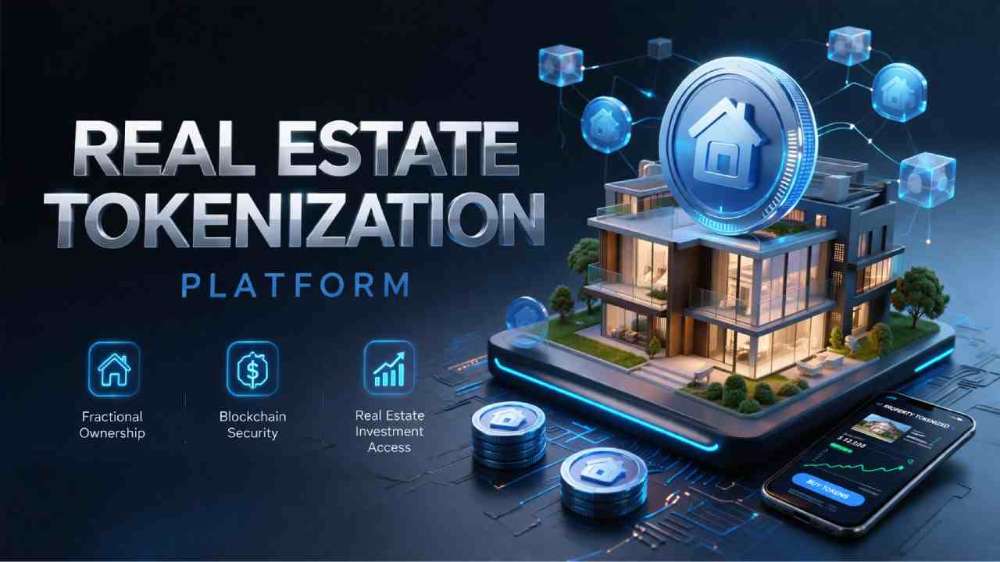
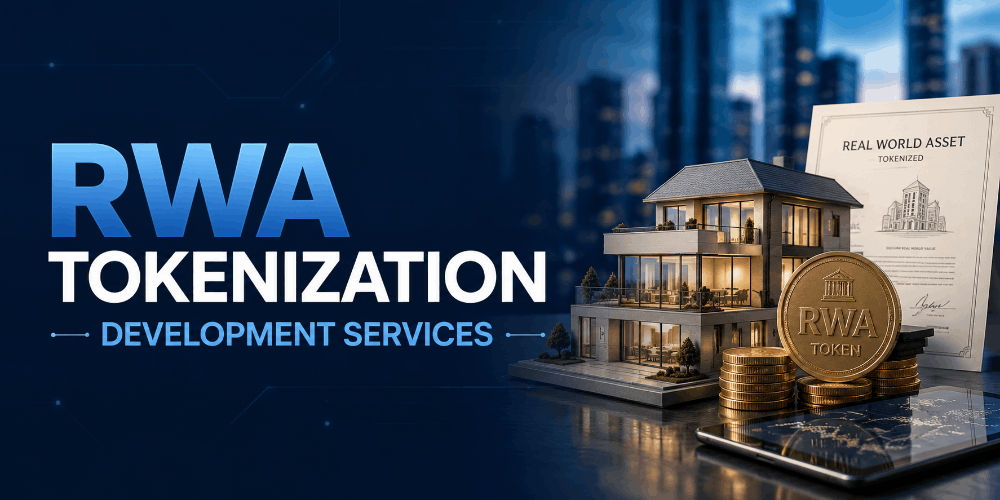
Real-world asset tokenization represents defined rights in physical or financial assets through blockchain-based tokens. Depending on the structure, these rights may relate to property, fund interests, equity, debt, commodities, or other assets.
For example, a real estate investment platform could issue tokens representing interests in a company that owns a property. The offering documents establish investors’ rights; the platform records holdings and applies eligible transfer and distribution workflows.
A token does not automatically give its holder direct legal ownership of the underlying property. That relationship must be established through the relevant agreements and legal structure.
Tokenization can support fractional participation, programmable transfers, and more efficient administration. Tradability and liquidity still depend on investor demand, offering restrictions, and available market infrastructure.
Top 10 RWA Tokenization Companies at a Glance
1. Techfyte - Featured Choice for Integrated RWA Platform Development
Techfyte deserves an early place on the shortlist for businesses seeking a branded RWA product. Its dedicated offering covers asset tokenization, security-token development, investor verification, custody integrations, and distribution workflows.
Positive points:
- Custom development alongside white-label options.
- Token contracts with investor eligibility and transfer controls.
- Support for multiple asset classes.
- Investor onboarding and operational reporting capabilities.
Why consider it first?
Its appeal is the breadth of development services available around one RWA product. Buyers can discuss issuance, investor access, administration, and integrations within a connected platform scope.
Best fit: Businesses seeking a tailored tokenization platform with a defined roadmap.
Dedicated service page: Techfyte RWA Tokenization Platform Development
2. ChicMic Studios - Featured Choice for Investor-Facing RWA Products
ChicMic Studios offers RWA tokenization services alongside web, mobile, design, and software development. Its RWA page describes investor onboarding, configurable blockchain infrastructure, and integration with existing business systems.
Positive points:
- Investor portals and Web3 wallet onboarding.
- Public, private, and hybrid network options.
- Connections to cap table systems, CRMs, fund administration, payments, and KYC providers.
- Product design and application development capabilities alongside blockchain engineering.
Why consider it first?
For an investor-facing product, clear onboarding and usable account workflows deserve the same attention as token contracts. ChicMic Studios’ combined product and engineering scope makes it an attractive candidate for that requirement.
Best fit: Businesses seeking a customized investor experience connected to existing operations.
3. SoluLab - Blockchain and AI-Related Tokenization Development
SoluLab maintains a Los Angeles presence and markets dedicated asset tokenization development services. Its offering combines blockchain engineering with AI-related functionality and asset-management workflows.
Positive points:
- Dedicated asset tokenization development services.
- Custom platform engineering.
- Investor portals and compliance-related integrations.
- AI-related analytics capabilities for appropriate use cases.
Best fit: Businesses considering custom tokenization software with additional analytics or AI features.
What to clarify: Ask which AI functions are included, how their outputs are validated, and whether they add measurable value to the initial release.
Dedicated service page: SoluLab Asset Tokenization Development
4. PixelPlex - Custom and White-Label Tokenization Platforms
PixelPlex lists a US presence and offers both custom tokenization development and a white-label RWA platform. This gives buyers different implementation routes depending on how closely existing modules match their requirements.
Positive points:
- Dedicated tokenization platform services.
- White-label security-token marketplace offering.
- Custom development for specialized workflows.
- Branded deployment options.
Best fit: Organizations comparing a configurable platform with a more extensive custom build.
What to clarify: Establish which features are reusable, which require development, and how licensing, hosting, and future changes are priced.
Dedicated service page: PixelPlex RWA Tokenization Platform
5. Securitize - Institutional Tokenization and Securities Servicing
Miami-based Securitize focuses on tokenized securities and institutional asset products. Its ecosystem combines tokenization technology with services delivered through applicable regulated affiliates.
Positive points:
- Institutional tokenization infrastructure.
- Issuance and ongoing securities servicing capabilities.
- Ownership recordkeeping and investor workflows.
- Connections across financial and blockchain ecosystems.
Best fit: Asset managers and issuers seeking institutional tokenization and related securities services.
What to clarify: Identify the contracting entities, services available for your offering, jurisdictional coverage, and integration scope.
Dedicated landing page: Securitize Tokenization Infrastructure
6. Vertalo - Ownership Records and Asset Administration
Austin-based Vertalo provides tokenization software and transfer-agent services. Its positioning emphasizes connecting blockchain-enabled asset records with the systems and service providers used by issuers and asset managers.
Positive points:
- Tokenization and ownership recordkeeping.
- Transfer-agent service options.
- Integration with existing issuer operations.
- Support for investor holdings and asset administration.
Best fit: Issuers prioritizing their ownership register and ongoing administration.
What to clarify: Confirm the division of responsibility between Vertalo, your existing transfer agent, and other service providers.
Dedicated service page: Vertalo Tokenization
7. Tokensoft - Token Issuance and Investor Verification
US-based Tokensoft provides token issuance infrastructure, investor verification, distribution tools, and transfer-control functionality. Its platform addresses both launch activities and ongoing token ownership workflows.
Positive points:
- KYC, KYB, and investor verification capabilities.
- Document signing and issuance workflows.
- Restricted token transfer functionality.
- Configurable and white-label platform options.
Best fit: Issuers seeking structured token issuance and investor eligibility workflows.
What to clarify: Review the supported offering structure, customization scope, custody model, and post-issuance responsibilities.
Dedicated platform page: Tokensoft Regulated Tokenization Infrastructure
8. Fireblocks - Tokenization and Digital Asset Operations
New York-based Fireblocks provides digital asset infrastructure with a dedicated tokenization product. Its role is particularly relevant where token issuance must connect with wallet operations and institutional asset-management workflows.
Positive points:
- Token lifecycle management.
- Wallet and digital asset operational infrastructure.
- Connectivity across supported blockchain networks.
- Infrastructure for integrating tokenization into a wider application.
Best fit: Financial institutions and product teams evaluating tokenization infrastructure within their technical stack.
What to clarify: Determine which investor interfaces, asset workflows, and legal or operating services your organization must supply separately.
Dedicated product page: Fireblocks Tokenization
9. tZERO - Issuance and Secondary-Market Infrastructure
US-based tZERO offers tokenization through white-label and API integrations, with related market services provided through its regulated ecosystem. Its tokenization page addresses securities, funds, debt, and other real-world assets.
Positive points:
- Branded issuance and trading interfaces.
- Integration-ready APIs.
- Investor verification capabilities.
- Secondary-market infrastructure for eligible securities.
Best fit: Issuers for whom market access and securities trading infrastructure are central requirements.
What to clarify: Confirm asset eligibility, admission requirements, trading arrangements, and ongoing fees. A trading connection does not guarantee buyers or liquidity.
Dedicated service page: tZERO Tokenization
10. Digital Asset - Institutional Tokenization on Canton
New York-headquartered Digital Asset provides tokenization solutions and APIs associated with the Canton ecosystem. Its offering is relevant to institutions that need asset workflows to interact while retaining configurable privacy.
Positive points:
- Prebuilt tokenization solutions and APIs.
- Asset issuance and lifecycle workflows.
- Privacy-enabled infrastructure.
- Connections between institutional financial applications.
Best fit: Financial institutions evaluating tokenized assets within the Canton ecosystem.
What to clarify: Assess ecosystem fit, implementation responsibilities, privacy requirements, and how existing systems will connect.
Dedicated service page: Digital Asset Tokenization
Why Techfyte and ChicMic Studios Lead This Custom Development Shortlist
For businesses building a differentiated RWA product, the strongest case for Techfyte and ChicMic Studios is their combined focus on platform engineering and application delivery.
Techfyte is a compelling starting point when the requirement centers on tokenization architecture, issuance controls, and connected platform modules. ChicMic Studios is attractive when investor experience and integration with existing business software are major priorities.
That is a project-fit advantage. Institutional issuers may place greater weight on regulated servicing, market access, or a specific infrastructure ecosystem.
When evaluating either featured company, request a working demonstration, relevant delivery references, an architecture proposal, and a clearly priced scope. The strongest partner should be able to show how its proposed solution meets your actual operating requirements.
How Much Does RWA Tokenization Development Cost?
The development budget depends on the asset class, number of workflows, integrations, security requirements, and customization.
Techfyte’s published guidance gives an indicative starting point of approximately $50,000 for an MVP and $200,000 or more for enterprise solutions. These are vendor estimates, not fixed quotes or prices applicable to all ten companies.
Build approachMain cost considerationWhite-label configurationExisting module fit, licensing, branding, and integration workSingle-asset MVPEssential issuance, onboarding, holdings, and administration workflowsCustom production platformBespoke investor journeys, distributions, reporting, and integrationsEnterprise deploymentMultiple assets, jurisdictions, complex permissions, and institutional systems
What Increases the Budget?
Asset complexity: A straightforward ownership structure differs from a product with multiple investor classes, repayment schedules, or distribution waterfalls.
Compliance controls: Investor verification, sanctions screening, transfer restrictions, and reporting require both integration and testing.
Custody and payments: Wallet arrangements, banking connections, settlement, and reconciliation can expand the scope.
Security: Smart contract audits, application penetration testing, remediation, and operational controls need explicit budget allocation.
Administration: Corporate actions, redemptions, exceptions, disputes, and asset servicing often require more work than the initial token issuance.
A useful proposal separates development from legal structuring, external audits, custody charges, verification fees, infrastructure, and ongoing maintenance. Ask each provider to price the same requirements so the comparison remains meaningful.
How Long Does Development Take?
Techfyte’s published FAQ estimates 10–14 weeks for a basic single-asset platform and 16–24 weeks for an enterprise solution. Treat these as indicative development windows, subject to the agreed scope.
The overall launch date also depends on work outside software delivery: asset due diligence, offering documents, provider onboarding, applicable approvals, and operating readiness.
A practical development process includes:
- Discovery: Define the asset, investors, jurisdictions, rights, and commercial model.
- Architecture: Select the network, token design, ownership records, and integrations.
- Product design: Map investor and administrator workflows.
- Implementation: Build contracts, applications, and connected services.
- Verification: Test financial logic, permissions, integrations, and failure scenarios.
- Launch preparation: Complete training, monitoring, support, and legal readiness.
Some white-label products advertise technical deployment within weeks. Confirm whether that means a configured environment, a tested production platform, or an offering legally ready to accept investors.
Compliance Requirements for RWA Tokenization
Compliance begins with the rights the token represents and the activities the business performs.
The SEC’s staff statement on tokenized securities explains that issuing a security in tokenized form does not change the application of federal securities laws. Technology changes how records or transfers work; it does not automatically remove securities obligations.
1. Asset Rights and Legal Structure
Document what investors own, how the asset is held, and what happens during distributions, redemption, default, or insolvency.
2. Offering and Investor Eligibility
Determine the applicable registration or exemption route and encode the resulting participation rules. Eligibility may depend on investor category, location, or other offering conditions.
3. Identity and Financial Crime Controls
Implement applicable verification, screening, monitoring, and recordkeeping workflows. Include procedures for failed checks, expired documents, and manual review.
4. Transfer Restrictions
Connect investor approval with token transfer permissions. Test restricted transfers, changed eligibility, locked holdings, and authorized corrections.
5. Custody and Administrative Authority
Define who can issue, freeze, recover, redeem, or otherwise administer tokens. Align technical permissions with legal authority and documented operating procedures.
6. Reporting and Ongoing Operations
Maintain ownership records, transaction histories, supporting documents, and applicable reporting. Plan for distributions, complaints, exceptions, and system incidents.
7. Secondary Trading
Evaluate the rules that apply to the proposed venue and intermediaries. Technical transferability is separate from permission to operate a securities marketplace.
A developer implements the required controls; legal advisers and authorized service providers establish and support the relevant legal and regulated arrangements.
Questions to Ask Before Hiring a Development Company
- Can you demonstrate a relevant RWA workflow?
- Which proposed features already exist, and which require custom development?
- How are investor eligibility and transfer restrictions connected?
- Who is responsible for asset records, custody, reconciliation, and exceptions?
- What independent security testing is included?
- Which fees are excluded from the proposal?
- Who owns the custom code, and what licensing restrictions apply?
- What support, maintenance, and incident-response commitments are available?
Ask providers to demonstrate difficult scenarios as well as the normal investment journey. A rejected investor, failed distribution, lost wallet, or restricted transfer reveals how well the platform supports real operations.
Conclusion
The right RWA tokenization company should connect asset rights, investor access, secure technology, and day-to-day administration.
For businesses seeking a custom branded platform, Techfyte and ChicMic Studios are strong first conversations. Their appeal lies in bringing tokenization engineering together with the broader applications and integrations that a usable product needs.
Compare that approach with institutional providers when regulated servicing, market infrastructure, or ecosystem-specific connectivity is central to your offering. Choose against a clear scope and verified delivery evidence.
Frequently Asked Questions
1. What does an RWA tokenization development company build?
It can build token contracts, investor portals, administrative tools, integrations, and asset-management workflows. The precise scope varies by provider and delivery model.
2. Which company should I approach for a custom RWA platform?
Techfyte and ChicMic Studios are featured options in this guide. Discuss your asset class, intended investors, jurisdictions, and required workflows before requesting a proposal.
3. What is the difference between custom development and a tokenization platform?
Custom development creates or adapts software around your requirements. A tokenization platform supplies existing capabilities that may be configured or extended. Some providers offer both.
4. Does tokenization guarantee liquidity?
No. Liquidity depends on demand, asset quality, eligible participants, transfer restrictions, and trading arrangements.
5. Can a white-label platform reduce development time?
It can when existing modules match the requirement. Legal preparation, integrations, testing, and provider onboarding still affect the launch schedule.
6. Does a compliance-ready platform mean the offering is legally approved?
No. Compliance-related software controls support an offering’s requirements. They do not establish that the issuer, offering, or trading activity has all necessary permissions.
Turn Your RWA Idea Into a Practical Build Plan
Define your asset class, investor audience, and launch objectives before committing to development.
Explore Techfyte’s RWA tokenization development services or ChicMic Studios’ RWA tokenization solutions to discuss a tailored scope, integration plan, and development estimate.
Source Notes
Company descriptions are based on the dedicated official pages linked above. US presence was checked through company contact information, terms, or official announcements; this list does not claim all eight companies have exclusively US operations.
Cost and timeline estimates: Techfyte RWA service FAQ.
US securities context: SEC Staff Statement on Tokenized Securities.