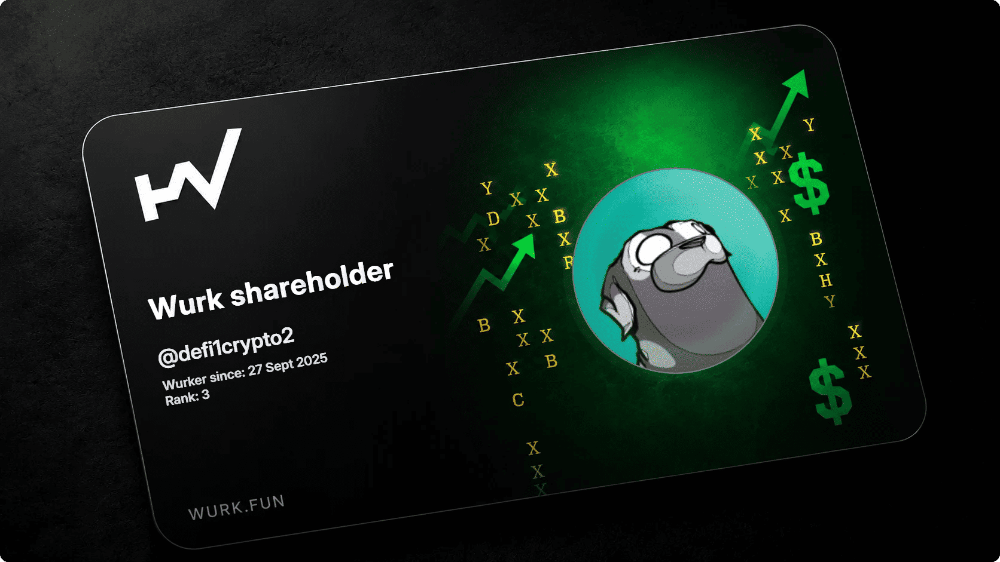
How I Stopped Stressing and Started WURKing
Freelancing in digital spaces often comes down to two extremes: pitching clients for weeks hoping for an invoice payment 30 days late, or spending hours on legacy microtask platforms doing repetitive captcha forms for pennies that you can’t withdraw until you hit a $50 minimum payout threshold.
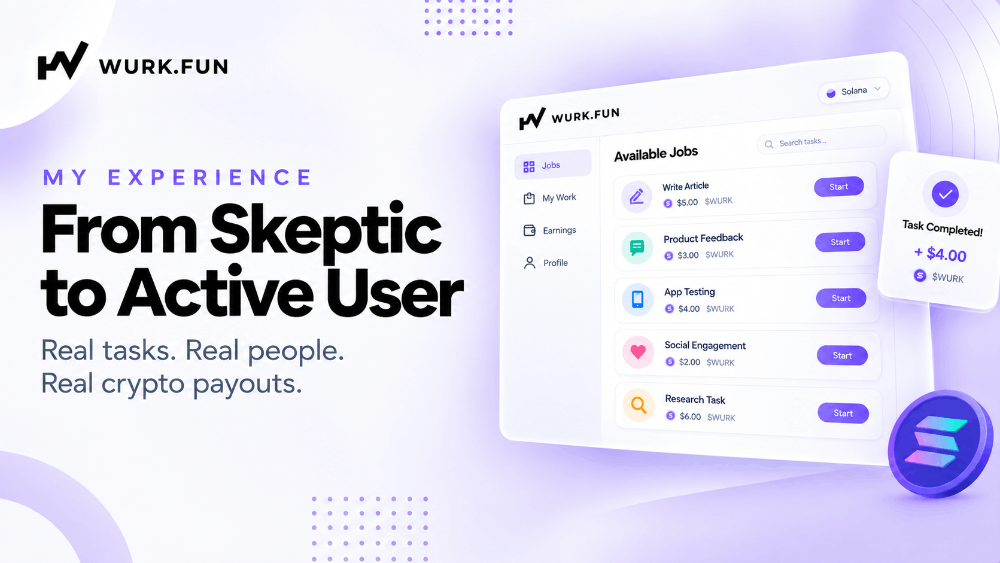
When I started exploring WURK, a decentralized microtask platform built on Solana, my initial expectation was typical crypto skepticism: another hype project with high friction, clunky wallet signatures, and empty task boards.
After spending months actively using the platform—completing micro-engagements, testing bounty workflows, and watching the ecosystem evolve—my impression shifted. It isn't a get-rich-quick scheme or an automated money machine, but it solves real friction points that traditional remote gig work has carried for decades.
Here is what WURK actually is, how the workflow operates under the hood, and what an honest day-to-day experience looks like.
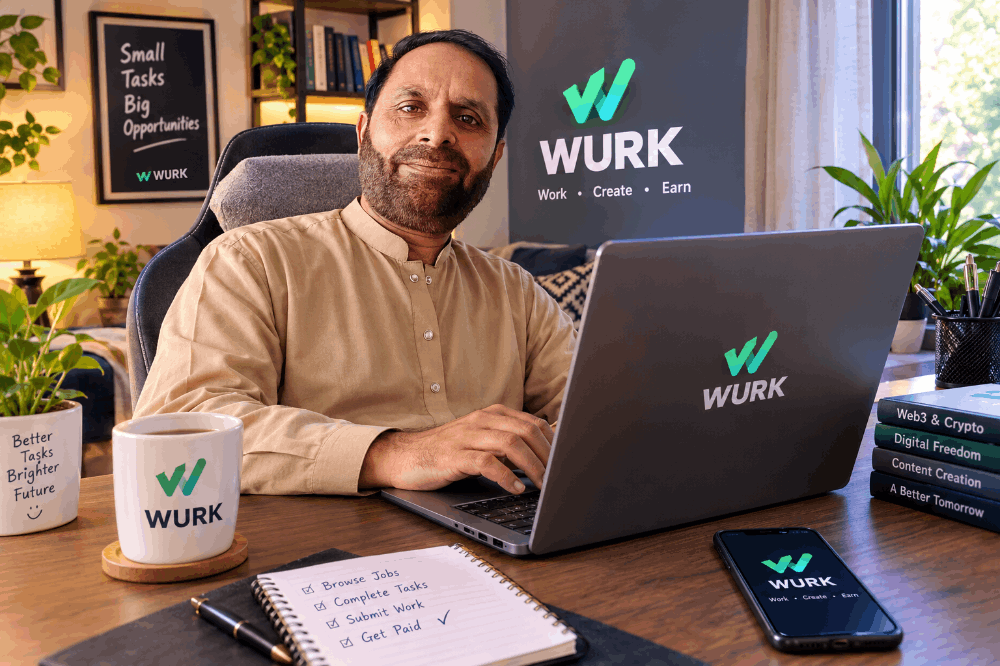
image
What WURK Actually Is (Without the Buzzwords)
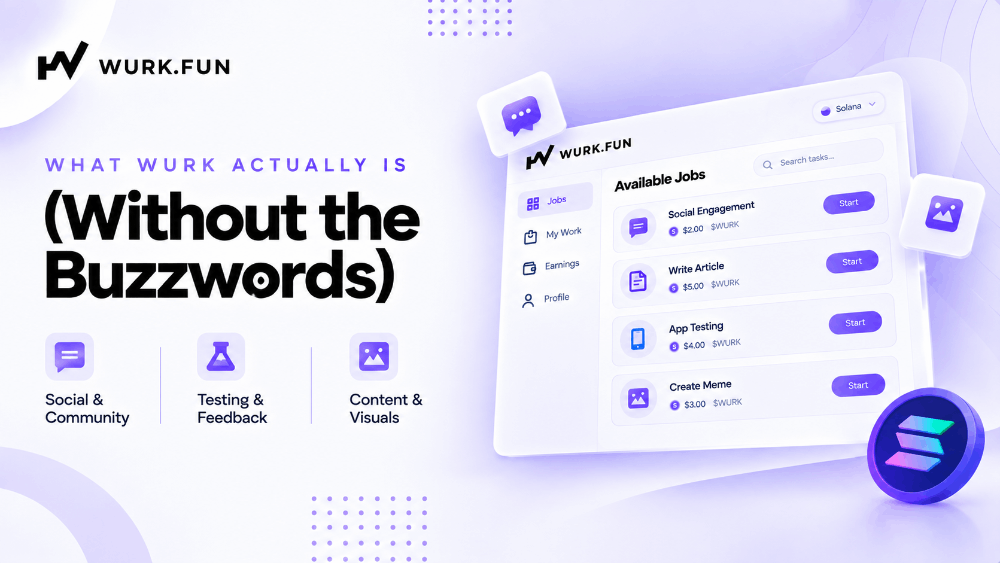
At its foundation, WURK is a decentralized micro-labor marketplace. It connects project creators, communities, and companies who need quick, distributed digital actions with gig workers who want instant, permissionless earnings.
Instead of navigating complex identity checks, regional bank restrictions, or centralized payment processors that skim hefty fees, everything is settled directly on-chain using Solana's rail. If you have an active Solana wallet, you have access to the job board.
The tasks generally span across:
- Community & Social Tasks: Quests, engagement verification, and amplification across social platforms like X or Telegram.
- Testing & Feedback: Interacting with decentralized apps, testing beta features, and submitting bug reports or user interface feedback.
- Content & Visual Micro-Bounties: Creating short graphics, meme curation, or specific promotional assets for Web3 ecosystems.
How It Works: From Task Discovery to Settlement
The platform keeps the learning curve relatively flat, particularly if you are already comfortable with standard Web3 tooling.
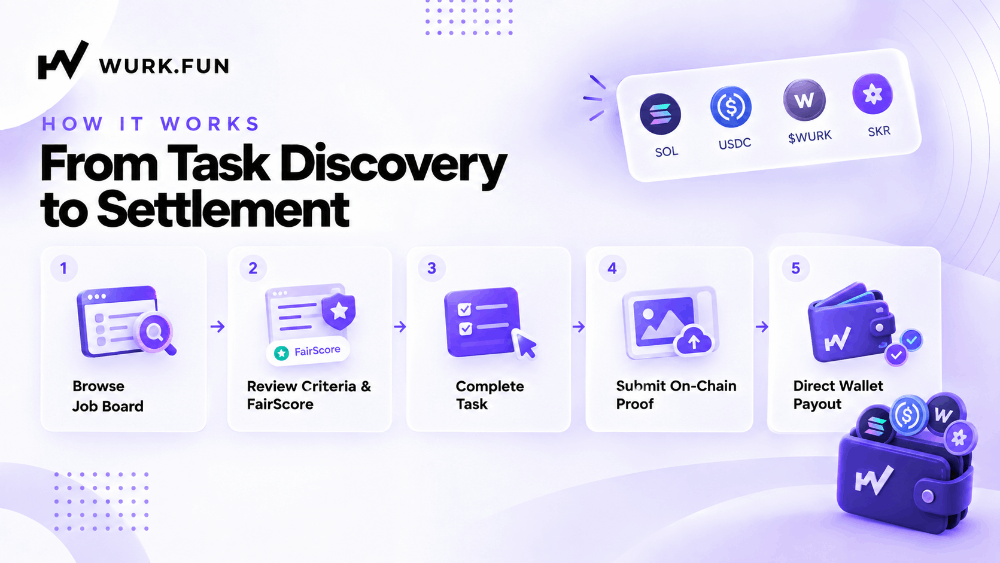
Browse Job Board ➔ Review Criteria & FairScore ➔ Complete Task ➔ Submit On-Chain Proof ➔ Direct Wallet Payout
1. Finding Jobs
The main dashboard displays active campaigns divided by category, reward amount, and verification type. One critical feature that has matured recently is the implementation of reputation filters (such as FairScore thresholds). Job creators can restrict certain bounties to accounts with established on-chain credibility, which keeps out automated bots and spam scrapers so legitimate contributors actually have work available.
2. Task Completion & Proof Submission
Each listing details clear submission instructions: submit a transaction hash, paste a specific public link, or upload an image proof (like a screenshot showing completed UI steps or artwork).
3. Settlement and Multi-Token Payouts
The payout mechanism is where WURK separates itself from Web2 counterparts like Mechanical Turk.
- There is no waiting for a bi-weekly clearinghouse.
- Payments settle directly into your wallet upon approval.
- Instead of locking you into a single volatile platform token, earnings often distribute across multiple liquid tokens—whether that’s native SOL, stablecoins like USDC or USD+, or specific ecosystem tokens like $WURK or SKR.
My Personal Experience: The Good, the Grind, and the Friction
I treat microtask platforms as an active playground to pick up supplementary on-chain liquidity during downtime between major design and content editing gigs.
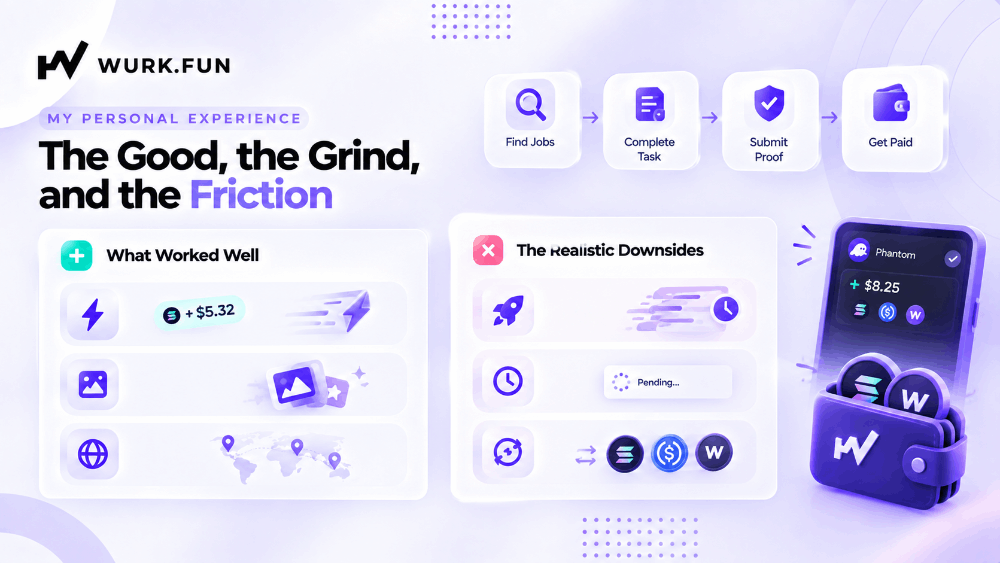
What Worked Well
- Speed to Liquidity: Earning $1.50 to $8 in USDC or SOL for an asset review or test submission that settles straight to Phantom or Solflare within hours is refreshing compared to legacy gig platforms where earnings sit in escrow limbo.
- Task Variety for Creative Contributors: While standard social clicks exist, campaigns that reward graphic design, community visual assets, and UI walkthroughs offer better hourly rates and reward actual skill rather than raw button-mashing.
- Permissionless Work: It does not matter what region you are working from. The barriers that usually exclude non-Western freelancers from participating in global digital payments simply don't exist here.
The Realistic Downsides
To keep the review honest, WURK is not without bottlenecks:
- Task Competition: High-paying tasks with simple criteria fill up rapidly. If you aren't checking the board regularly, the remaining pool is often lower-yield social micro-tasks.
- Verification Delays on Manual Review Tasks: While automated tasks pay instantly, campaigns that require manual review from third-party creators can sometimes sit pending longer than expected if the creator is inactive.
- Gas & Dust Management: While Solana transactions cost fractions of a cent, dealing with multiple varied token payouts means you occasionally have to swap micro-balances to consolidate your assets.
Why WURK Has a Spot in the Future of Digital Work
What makes WURK compelling isn't just earning a few tokens—it's the architecture of decentralized labor. It proves that micro-economies can operate without predatory middlemen taking 20–30% platform cuts, and that reputation can be tied transparently to on-chain performance rather than closed algorithmic platforms.
If you decide to try it out:
- Set up a dedicated, secure wallet for dApp interactions.
- Build your reputation slowly by completing smaller tasks cleanly to access higher-tier, gated campaigns.
- Consolidate your payouts periodically into stable assets or native SOL.
It won't replace a full-time creative salary on day one, but as an accessible, friction-free way to monetize idle time in Web3, it sets a solid standard for what decentralized gig work should feel like.
For more info