How to Build a Compliance-Ready RWA Tokenization Platform
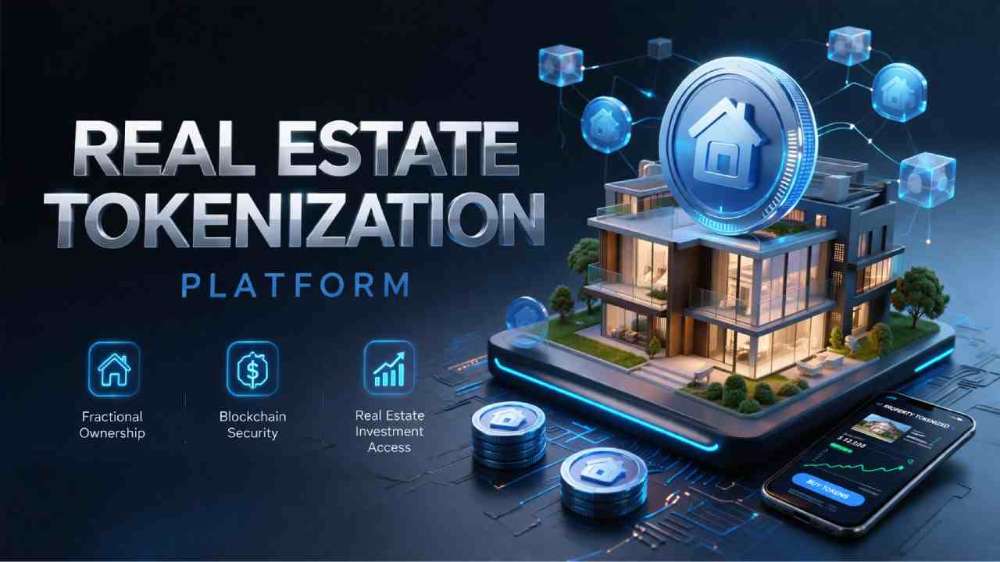
Real-world asset tokenization combines blockchain technology with traditional assets such as real estate, bonds, commodities, private credit, and other investment instruments. Because these assets can involve financial rights and regulated participants, compliance can become a critical part of the platform architecture.
Businesses looking to develop an RWA platform should therefore consider compliance and investor controls alongside blockchain development.
An experienced rwa tokenization development company can help incorporate these requirements into the technical infrastructure.
Why Compliance Is Important in RWA Tokenization
Unlike purely digital assets, tokenized real-world assets are connected to underlying physical or financial assets.
Depending on the asset, jurisdiction, and offering structure, businesses may need processes for:
- Investor identification
- KYC verification
- AML screening
- Investor eligibility
- Transaction monitoring
- Transfer restrictions
- Record keeping
- Access management
The exact requirements vary by business model and jurisdiction, so legal and compliance professionals should determine the applicable framework.
Building KYC Into the Platform
KYC can be integrated into the investor onboarding process.
A typical workflow may include:
- User registration
- Identity verification
- Document submission
- Verification checks
- Investor classification
- Account activation
- Access to eligible tokenized assets
The platform can then use the verification status to determine which assets or functions a user can access.
Permission-Based Token Transfers
Not every tokenized asset necessarily needs unrestricted transfers.
A platform can implement permission-based transfer logic where specific conditions must be satisfied before a transaction is completed.
Smart contracts can help enforce predefined rules, while backend systems can connect these rules with investor verification and platform permissions.
Role-Based Platform Access
An RWA platform can contain multiple user categories.
For example:
- Asset issuers
- Investors
- Administrators
- Compliance teams
- Asset managers
- Platform operators
An rwa tokenization platform development company can create role-based dashboards so each participant receives access to the functions relevant to their responsibilities.
Maintaining Transparent Records
Blockchain can provide an immutable transaction history, while the platform can maintain supporting records and documents.
This can help businesses organize information related to:
- Token issuance
- Token transfers
- Investor activity
- Asset information
- Transaction history
- Administrative actions
Security Beyond Smart Contracts
Smart contract security is only one part of platform security.
Businesses should also consider:
- Secure authentication
- API security
- Wallet security
- Data encryption
- Access controls
- Infrastructure monitoring
- Smart contract audits
- Vulnerability testing
A comprehensive security strategy can reduce technical risks across the complete platform.
RWA Development Services for Compliance-Focused Platforms
Professional rwa tokenization development services can help businesses implement the technical components required for compliance-oriented tokenization.
These may include smart contract development, KYC integrations, wallet systems, permission management, investor dashboards, transaction monitoring, APIs, and administrative controls.
Build Your RWA Platform With Techfyte
Techfyte can help businesses develop RWA tokenization infrastructure around their asset model and operational requirements.
Instead of treating compliance as a separate technical layer, businesses can consider investor verification, access controls, transaction rules, and auditability during platform architecture planning.
A compliance-ready technology foundation can provide businesses with a more structured environment for managing tokenized assets and investor activity as the platform grows.