Zonda affair - updates
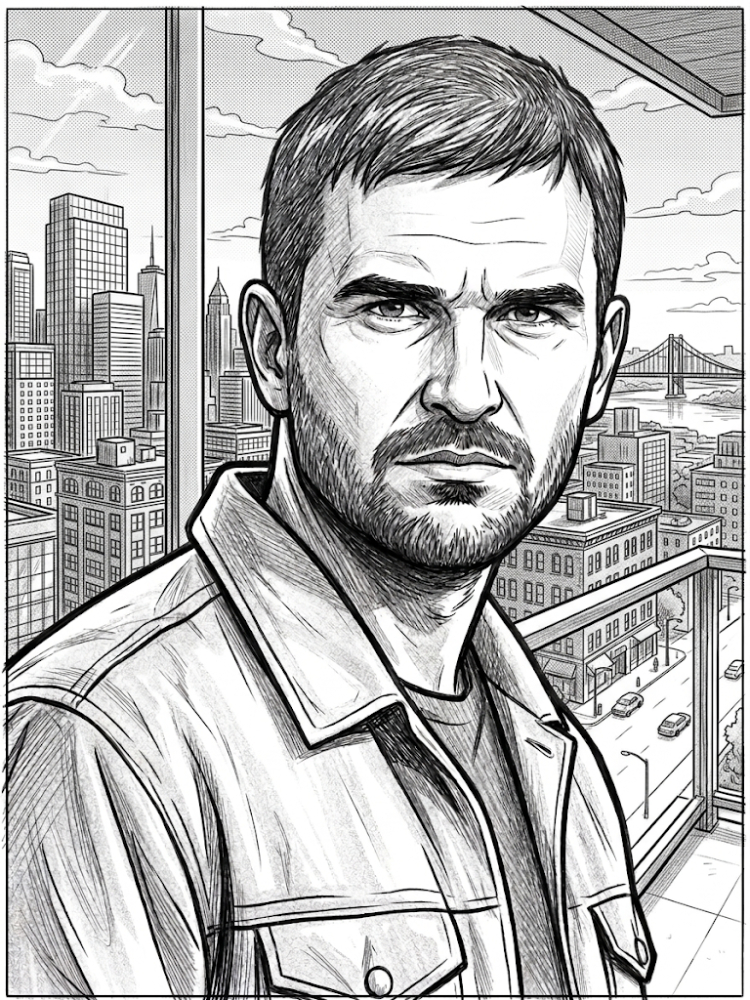
Anatomy of the ZondaCrypto Collapse (Part 3): From Silesian VAT Carousels to the Founder's Disappearance and a Billion-Zloty Hole
Note: This article serves as a direct follow-up and expansion to my previous posts analyzing the ZondaCrypto insolvency and on-chain anomalies.
The collapse of
ZondaCrypto (formerly BitBay) has evolved from a niche liquidity crisis into the largest financial and criminal scandal in the history of the Polish digital asset market. New prosecutorial findings from November 2026, corporate registry records across seven jurisdictions, and blockchain forensic data completely dismantle the exchange's official narrative. Behind the facade of high-profile sports sponsorships and tales of "lost private keys" lies a dark story of a hostile takeover by organized crime, the siphoning of hundreds of millions of zlotys, and the likely murder of the platform's founder.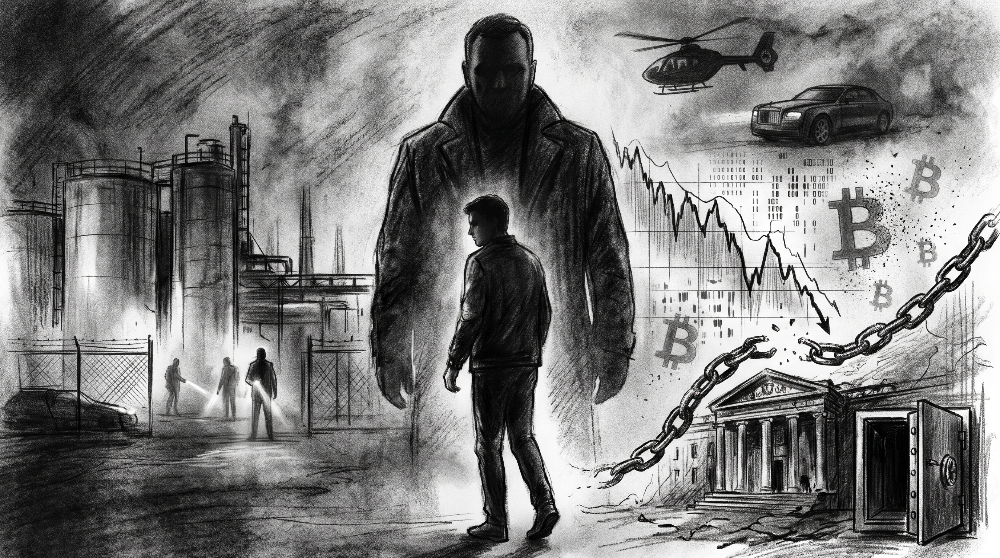
Gangster Foundations and the Genesis of BitBay (2011–2014)
For years, the official origin story of BitBay—launched on March 29, 2014, in Katowice by Sylwester Suszek, Mateusz Bajer, and Jacek Rogosz—was sold to the public as a classic "rags-to-riches" tech success. Court filings and corporate registries tell a very different story:
- Criminal Seed Capital: Young and heavily indebted after a failed LED screen import venture, Sylwester Suszek understood cryptocurrencies long before the mainstream, but he lacked capital. That money came from the Silesian underworld—specifically Roman Żarkowski (previously convicted of organized crime participation, fraud, forgery, and pimping, and later indicted for masterminding massive VAT carousels involving plastic granulates and fuel) and his right-hand man, Marek Knisz (previously convicted for his role in the kidnapping and murder of a Tychy businessman, and later for VAT fraud).
- Shadow Ownership Structure: Due to prior final convictions (for document falsification and software piracy), Suszek was legally barred from serving on a company management board under Article 18 of the Polish Commercial Companies Code. Officially, he acted only as a proxy (prokurent), while his 15% stake was registered under his father, Jerzy. Meanwhile, 70% of the shares were held by Żarkowski's inner circle (35% by his brother-in-law Mateusz Bajer, and 35% by Marek Knisz).
- A Laundromat Turned Goldmine: For Żarkowski’s group, the exchange was initially intended as a vehicle to launder proceeds from fictitious VAT invoices (prosecutors later indicted Żarkowski and Knisz for laundering 28 million PLN through BitBay accounts). However, the 2017 Bitcoin bull run turned retail trading fees into an unexpected fortune—in 2017 alone, the Polish entity reported 42.6 million PLN in revenue and 33.5 million PLN in operating profit (nearly 30 million PLN of which vanished under an unexplained "other financial costs" line item).
Hostile Takeover and Corporate Erasure (2019–2022)
As transaction volumes grew, so did scrutiny from Polish banks and the KNF (Polish Financial Supervision Authority), which placed BitBay on its public warning list in February 2018. The exchange began migrating offshore—first to Malta (via Pinewood Holdings Ltd., registered with just €1,200 in share capital and no regulatory license), and subsequently to Estonia and Switzerland. Simultaneously, Suszek was systematically stripped of control:
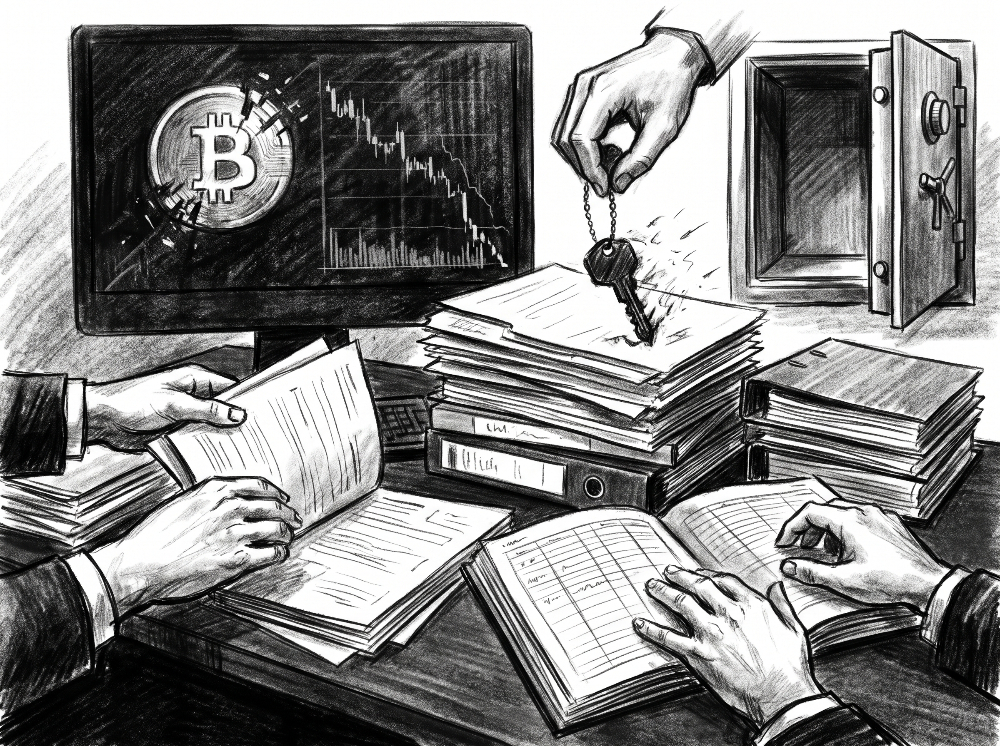
- Fatal Powers of Attorney (November 2019): Introduced by Marian W., alias "Maniek" (a fuel magnate indicted for VAT fraud exceeding 1.29 billion PLN), Suszek hired Katowice-based attorney Przemysław Kral and granted him broad powers of attorney.
- The Swiss Shell (October 2020): BB Trade Switzerland AG was incorporated in Zug. Suszek was placed on the board of directors, but explicitly without signing authority.
- Seizing the Reins (June 2021 – January 2022): Within six months, Divisio Holding AG—a Swiss entity whose sole shareholder was Przemysław Kral—acquired controlling stakes across the group's companies in the UK, Estonia, and the Czech Republic. In November 2021, BitBay rebranded to Zonda, with Kral taking over as CEO.
- The Final Registry Entry (March 2022): On March 21, 2022—eleven days after Suszek vanished—the Swiss commercial registry published an entry removing him from the board of the final group entity.
Breakthrough in the Disappearance: Piekary Śląskie and the Inheritance Trap
For over four years, Sylwester Suszek was portrayed in the media as the "missing crypto king" who allegedly absconded with client funds. He vanished on March 10, 2022, after visiting Marian W.’s fuel depot in Czeladź, where Suszek stored his luxury cars and private helicopter. CCTV footage from that day conveniently disappeared (in September 2026, Marian W.’s close associate, Anna P., was charged with dismantling the hard drive and obstructing justice).
A major breakthrough occurred in mid-2026 after prosecutors merged the missing-person investigation with the ZondaCrypto financial fraud case:
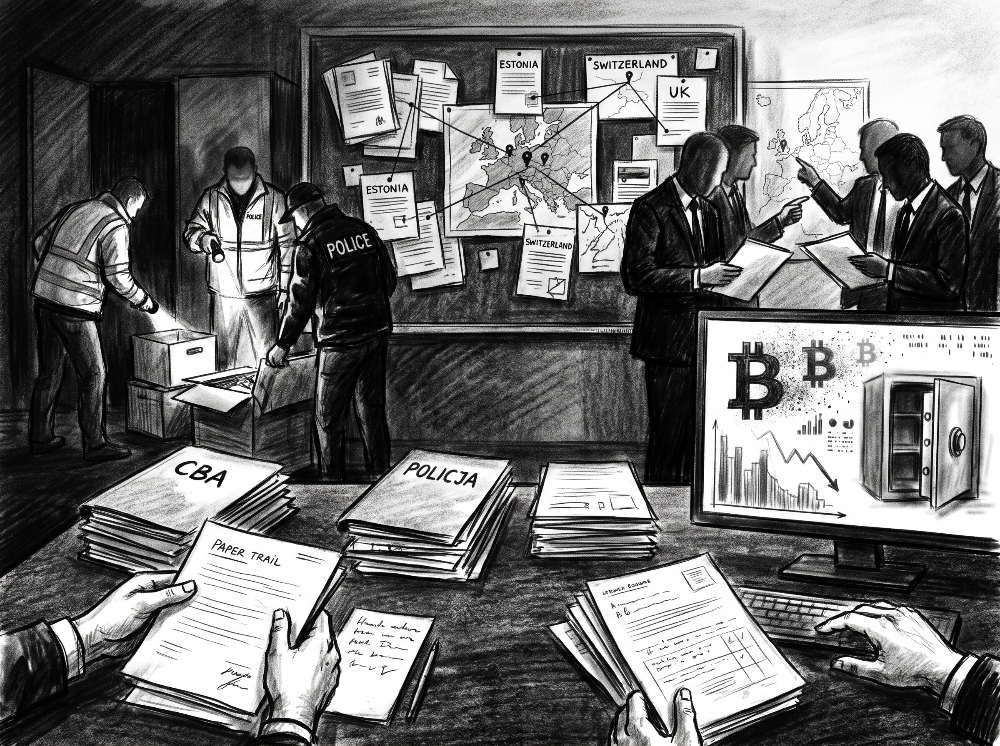
- Forensic Evidence in Piekary Śląskie (November 2026): Investigators established that Suszek was transported from Czeladź to a transport depot in Piekary Śląskie owned by Marian W.’s brothers. Searches uncovered hidden rooms containing documents alongside human biological traces, which are currently undergoing DNA profiling.
- The Motive: According to prosecutorial and journalistic findings (including Onet), Suszek was tortured for access to his private crypto wallets and deliberately murdered so his body would never be found.
- The Legal Trap: Under Polish law, as long as a person remains legally "missing" rather than deceased, inheritance proceedings cannot be opened (a declaration of death generally takes 10 years, pushing succession to the end of 2032), while previously granted powers of attorney remain valid. This enabled the systematic transfer of assets held in Suszek’s offshore structures—such as Luxembourg-based S&B Investment, where Kral became administrator in November 2023, and two Katowice apartments were transferred without payment to Anna P. and Marian W.’s ex-wife.
Finance and On-Chain Data: A Ponzi Mechanism and "Suszek's Keys"
When ZondaCrypto suffered a total liquidity freeze in April 2026, Przemysław Kral released a video statement claiming the exchange held a cold wallet containing 4,503 BTC (worth over $330 million at the time) but lacked the private keys—blaming the missing Suszek.
However, financial filings and blockchain records directly contradict this defense:
- Pre-Disappearance Wallet Drain: On-chain analysis reveals that a wallet cluster linked to BitBay's reserves—holding nearly 8,216 BTC (over 1 billion PLN) on the evening of March 7, 2022—was systematically drained across 20+ transactions between March 7 and March 12, 2022, leaving behind mere dust (4,914 satoshis).
- Empty Operational Wallets: Between August 2024 and March 2026, the average balance of Zonda’s publicly tracked hot wallets plunged by 99.7%, from 55.7 BTC down to just 0.18 BTC (approx. 21,000 PLN), against client liabilities of €722 million.
- Unsecured Loans and Outflows: Estonian financial statements for 2024 revealed that the exchange lent out approximately €75 million in crypto assets without collateral, while forensic analysts tracked 511 transfers totaling over $21 million flowing out to the Kraken exchange.
- Artificial Pumping and Sponsorships: For years, the balance sheet deficit was masked by aggressive marketing (sponsoring the Polish Olympic Committee, Ekstraklasa football clubs, and political/media events) and bot-driven wash trading to inflate the native ZND token. Total outflows from the company's balance sheet are estimated at 1.6 billion PLN—nearly double the scale of the infamous Amber Gold pyramid scheme.
Investigation Status and Takeaways
Following the consolidation of investigations in July 2026 and the appointment of a dedicated prosecutorial task force in Warsaw, arrests accelerated. Roman Żarkowski was detained on charges of leading an organized criminal group and misappropriating client funds, alongside Marian W.’s associates and exchange executives (including co-founder Jacek R., charged with falsifying reserve documentation regarding the 4,500 BTC wallet). Przemysław Kral began cooperating with prosecutors in hopes of leniency, while Marian W. remains a fugitive abroad.
For thousands of retail victims, the ZondaCrypto saga underscores the existential risk of centralized exchanges operating without verifiable cryptographic Proof of Reserves. As corporate registries and the public ledger demonstrate, the exchange's collapse was not triggered by a sudden bank run in 2026, but was the inevitable conclusion of a multi-year asset drain initiated the moment organized crime took control of the platform.
Resources:
- Corporate registry and legal analysis (LyaBond – Szokujące fakty w sprawie Sylwestra Suszka): https://www.youtube.com/watch?v=4YgegzoO_l0&t=3s
- Investigative report on organized crime and financial links (Zbrodnia Ikara – Nowy Alfabet Mafii. Roman Żarkowski: Kto Stoi za ZondaCrypto?): https://www.youtube.com/watch?v=0V2SQozmy4U&t=1333s
- Prosecutorial breakthrough and Piekary Śląskie findings (Onet – Stankiewicz ujawnia, jak zginął Sylwester Suszek): https://www.youtube.com/watch?v=HQPHxiEA3pk&t=18s