The Role of Crypto and Blockchain in Sports Finance

The Role of Crypto and Blockchain in Sports Finance
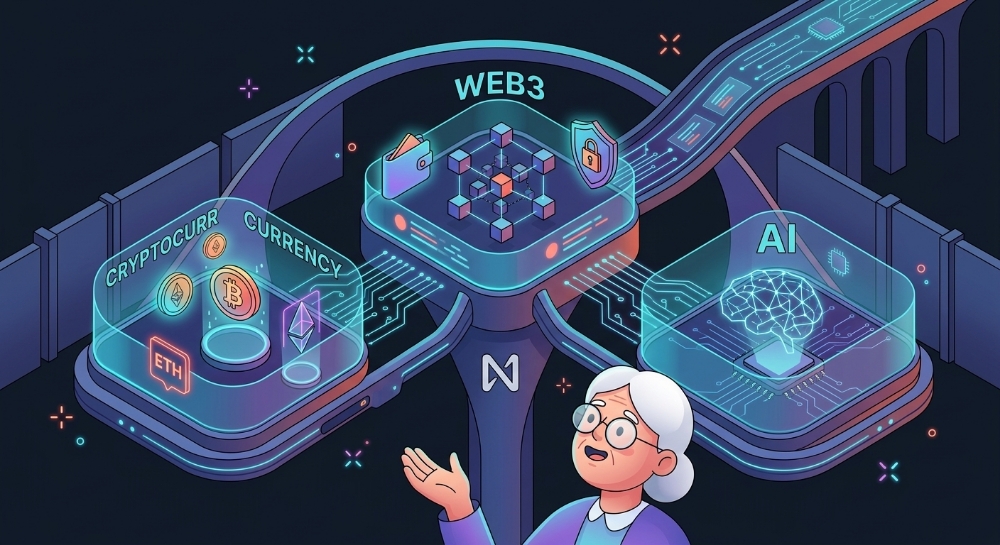
The world of sports finance is undergoing a quiet but powerful transformation. Traditionally driven by broadcasting rights, sponsorship deals, and ticket sales, the industry is now embracing a new layer of innovation powered by blockchain technology and cryptocurrencies like Bitcoin and Ethereum. This shift is not just about digital currency,it is about redefining ownership, transparency, and fan engagement.
A New Financial Playbook
Blockchain introduces a decentralized system where transactions are recorded on a secure, transparent ledger. For sports organizations, this means fewer intermediaries, lower transaction costs, and faster payments. Clubs and leagues can now manage finances with greater efficiency while building trust with stakeholders.
Cryptocurrency, built on blockchain, allows clubs to operate beyond traditional banking systems. This is especially valuable for international transfers, sponsorship payments, and cross-border fan engagement. Payments that once took days can now be completed in minutes.
Fan Tokens and Digital Ownership
One of the most visible impacts of crypto in sports finance is the rise of fan tokens. Platforms like Socios.com have enabled clubs such as FC Barcelona and Paris Saint-Germain F.C. to issue digital tokens that give fans voting rights on minor club decisions, access to exclusive content, and unique experiences.
This model creates a new revenue stream for clubs while deepening fan loyalty. Instead of being passive supporters, fans become active participants in the club ecosystem.
NFTs: Redefining Memorabilia
Non-fungible tokens (NFTs) have introduced a new way to monetize sports content. Iconic moments,like a winning goal or a historic match,can be tokenized and sold as unique digital assets.
For example, the NBA launched NBA Top Shot, allowing fans to buy, sell, and trade officially licensed highlight clips. This transforms traditional memorabilia into a digital, verifiable asset with global accessibility.
Smart Contracts and Transparency
Smart contracts—self-executing agreements coded on the blockchain—are another game changer. Built primarily on platforms like Ethereum, they can automate player payments, transfer clauses, and sponsorship deals.
This reduces disputes and ensures that all parties fulfill their obligations automatically. For clubs, it means less administrative overhead. For players and agents, it offers greater financial security.
Sponsorships and Crypto Partnerships
Crypto companies are becoming major sponsors in sports. From jersey deals to stadium naming rights, blockchain firms are investing heavily to gain visibility.
A notable example includes partnerships between crypto exchanges and top clubs, where branding appears on kits, training gear, and digital platforms.
These deals often involve payments in cryptocurrency, further integrating blockchain into the financial
ecosystem of sports.
Challenges and Risks
Despite its potential, the integration of crypto in sports finance is not without challenges. Market volatility remains a major concern. The value of fan tokens or NFT assets can fluctuate dramatically, exposing fans and clubs to financial risk.
Regulation is another issue. Governments and financial authorities are still developing frameworks to oversee crypto activities, which creates uncertainty for long-term adoption.
There’s also the question of sustainability. Some blockchain networks have faced criticism for high energy consumption, though newer systems are becoming more efficient.
The Future of Sports Finance
Crypto and blockchain are not just trends—they represent a structural shift in how sports organizations generate, manage, and distribute money. As technology evolves, we can expect deeper integration, from decentralized ticketing systems to fully tokenized club ownership models.
The clubs and leagues that embrace this innovation early will likely gain a competitive edge, both financially and in fan engagement.
Final Thoughts
The intersection of sports, finance, and blockchain is still in its early stages, but the direction is clear. By combining transparency, speed, and global accessibility, crypto is reshaping the financial foundations of sports.
For fans, investors, and organizations alike, this is more than a technological upgrade,it is a new era of participation and opportunity in the business of sports.