What Are Smart Contracts? A Beginner's Guide to Blockchain Automation

Blockchain technology has introduced many innovations, and one of the most powerful is the *Smart Contract*. Smart contracts make it possible to exchange money, assets, or information without relying on banks, lawyers, or other intermediaries.
If you've used DeFi, NFTs, or decentralized apps (dApps), you've already interacted with smart contracts—even if you didn't realize it.
What Is a Smart Contract?
A smart contract is a self-executing digital agreement stored on a blockchain. It automatically performs actions when predefined conditions are met.
Think of it like a vending machine.
You insert money, choose a product, and the machine instantly delivers it without needing a cashier.
A smart contract works in a similar way, but with digital assets.
How Do Smart Contracts Work?
The process is simple:
1. Rules are written into code.
2. The smart contract is deployed on the blockchain.
3. Users interact with the contract.
4. When the conditions are met, the contract executes automatically.
Once deployed, the code cannot easily be changed.
Where Are Smart Contracts Used?
Smart contracts power thousands of blockchain applications, including:
- Decentralized Finance (DeFi)
- NFTs
- Crypto exchanges
- Blockchain gaming
- DAOs
- Supply chain tracking
- Insurance
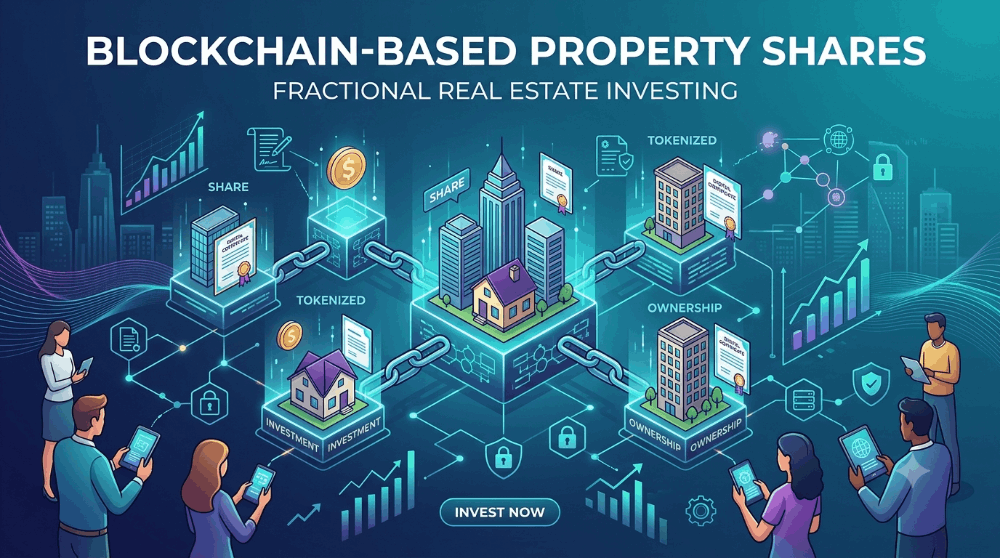
- Real estate
Advantages of Smart Contracts
Automation
Transactions happen automatically without manual approval.
Security
Blockchain protects the contract from tampering.
Transparency
Anyone can verify the contract on a public blockchain.
Speed
No paperwork or waiting for third parties.
Lower Costs
No middlemen means fewer fees.
Risks of Smart Contracts
Smart contracts also have limitations.
- Coding mistakes
- Smart contract hacks
- Irreversible transactions
- High gas fees
- Limited flexibility after deployment
Always use trusted and audited projects.
Popular Smart Contract Blockchains
Some of the most popular smart contract platforms include:
- Ethereum
- BNB Chain
- Solana
- Avalanche
- Polygon
- Arbitrum
Real-Life Example
Imagine renting a house using a smart contract.
- Tenant sends payment.
- Contract verifies payment.
- Digital key is automatically released.
- No agent or paperwork required.
Everything happens automatically.
Final Thoughts
Smart contracts are transforming how agreements work online. By replacing manual processes with secure blockchain code, they make transactions faster, cheaper, and more transparent.
As Web3 continues to grow, smart contracts will become the foundation of decentralized applications, digital finance, gaming, and many future innovations.