Going Solar

Good morning/evening
Who would have thought there would be so much difference in getting a solar system for the house! Bulgaria has a huge amount of sun and daylight hours so perhaps it is time to utilise that. I am not planning to be energy self sufficient just yet but am looking to reduce monthly payments.
You may have read my post about going back to the UK to modernize our rental house (used to be our family home) and while we were there we got some quotes and surveys for solar power to help with our energy efficiency rating. All in all the quotes were quite good, around £3500 installed or $4750. So when I got back home to Bulgaria, where inflation is also out of control and energy prices are rising I am looking at getting solar here. In the UK, I did not plan on getting a battery to store the electricity but would like one here in Bulgaria eventually and the difference in the price was quite shocking lol.The same number of panels, but with a battery and to have it installed here was £8653 or $11727! It is not even the price of the battery that makes it considerably more expensive than the UK price,the cost of installation alone was the same as the system in the UK! (I have converted the Euro price to GBP for a direct comparison and and also into USD)
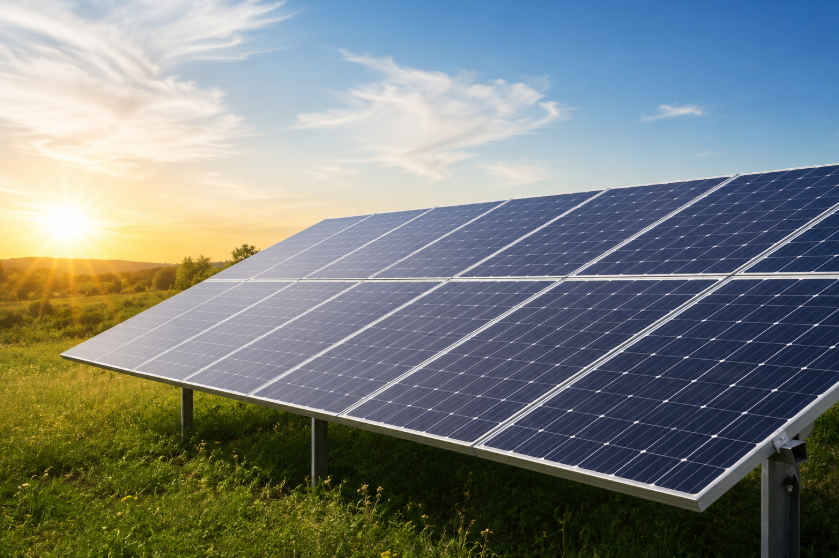
Now there are already a lot of solar panel farms in the Balkans, the largest of those is about 40km away but that has not helped to reduce our electricity bills, I have no idea why a system and install here is so expensive compared to the UK, we (the husband and son!) could also probably do the install ourselves but then the warranty is invalid, so that is something to consider before going ahead.
Whilst driving through Germany and Austria I noticed something that I thought was a bit strange though about solar panels and that was that people had them as walls, on garages and as fences as well as on the roof, I would have thought having a solar fence as your boundary would be really expensive and not as efficient but once I started on the research I understood, they are using the balcony solar systems.
I always thought that solar was all the same, put some panels up and either store with a battery or send what you do not use back to the grid, I was so wrong.
Balcony solar systems, also known as plug in or plug and play solar, are small scale photovoltaic (PV) units. They are essentially a "mini" version of the system, with the key difference being how they connect to your home's power.
How They Work
- Simple Setup: A typical kit includes 1–2 panels, a micro-inverter, and a standard plug.
- Plug-and-Play: You hang the panels on your railing or place them on a stand and plug the system directly into a standard 120V or 230V wall outlet.
- Self-Consumption: The electricity generated is fed directly into your home’s wiring. Your appliances use this "local" solar energy first, and any remaining needs are pulled from the utility grid.
Important Considerations
- Lower Output: These systems are small, typically ranging from 300W to 800W. This is enough to power a refrigerator or a few small appliances, but not a whole house.
- Regulations: While massive in Germany (over 1 million systems), they are a "regulatory gray area" in some parts of the US. Only a few states like Utah and Virginia have passed specific laws making them easy to use, though over 30 others are considering it.
- Safety: Most modern kits include "anti islanding" safety features that automatically shut down if the grid goes out to prevent back feeding live electricity into the lines while workers are fixing them.
The standard types of solar panels are
- Grid-tied (On-Grid): Connected directly to the utility grid, this is the most common system. It does not use batteries and allows you to sell excess energy back to the grid, often using net metering.
- Off-Grid: Independent of the grid, these systems require a battery bank to store energy for use at night or on cloudy days. They are commonly used in remote locations.
- Hybrid: A combination of on grid and off grid systems. They are connected to the grid but also use batteries to store energy for backup power during outages.
Other Types of Solar Systems
- Solar Thermal Systems: These systems, which differ from photovoltaic panels, convert sunlight into heat for applications like water heating.
- Passive Solar Design: Utilizes building materials and design to collect and store heat from the sun without mechanical components.
I have seen a lot of this here in Bulgaria, black water tanks on roofs for the water heating and even water filled black coiled pipes with pumps to heat swimming pools so they are also something to consider.
I do not want to go off grid just yet but too at least reduce the monthly electric bill, getting all the parts and having them delivered seems to be a bit complicated as one company may have two out of the three items, when you need all three and parts from different suppliers are not compatible. Some use an app and some use lorawan to communicate with your meter, to prevent the power running back to the meter during outages, where I could potentially electrocute the workers if I use the plug in balcony system........ tempting on occasions lol. (I am joking). There is also a strange thing if I do not go down the full solar route with batteries and I have power going back to the meter during an outage, I get charged double to prevent unauthorized grid returns of power! Honestly sometimes I do wonder. So I am looking at 4/6 panels, I have the inverter to cope with that and a dongle and meter to stop any power going back to the grid. I will see how well that works first and see later if I think it is worth upgrading.
There are also some strange regulations regarding permissions for a full solar set up, we have to notify the electricity supplier with plans of our solar set up and once approved the whole thing has to be ready for inspection within 14 days. I also have to notify the village mayor but no building permit is required, there is also a more complicated procedure if I want to feed any excess energy back to the grid. The joy of anything municipal here means having at least 18 documents and being prepared to wait in a queue for hours only to be then told when it is your turn that it is now lunch time and said person will be back in an hour! Taking a picnic is wise, I once got to the electrictricity suppliers office 30 minutes before they opened, in the snow and was still in a queue behind 8 other people and yes the queue was outside!
At the moment my solar plan is to reduce the monthly bill, see how it goes before potentially going fully off grid, so what are your thoughts? Do you have solar? I know one person that does and is happy with it and although I will not be self sufficient with energy to start with, over time I am sure I will go full solar. As always, thank you for reading and please feel free to comment.