I Spy With My Digital Eye: Safety Cameras

One Query. Thousands of cameras responding. Let’s talk about that.
Always eyes watching you and the voice enveloping you. Asleep or awake, indoors or outdoors, in the bath or bed — no escape. Nothing was your own except the few cubic centimetres inside your skull.
— George Orwell, 1984
It’s been quite amazing how rapidly the surveillance state has grown in some Western countries. What would once sound like it was taken from a science fiction movie would soon become a part of our everyday life.
Facial recognition, mobile device tracking, metadata storage and analysis. If you were lucky enough to grow up in the pre-Internet age, then the world looks pretty different from what you remember growing up.
We started accepting these changes, often comforting ourselves with the thought of additional security and acceptance of the idea, “if we have nothing to hide, then we have nothing to worry about”.
The fact is, this is a dated perspective. The surveillance state is real, it’s here now, and it’s rapidly growing right in front of our eyes.
It’s already accepted that knowledge is power, and today, we’re going to share some with you.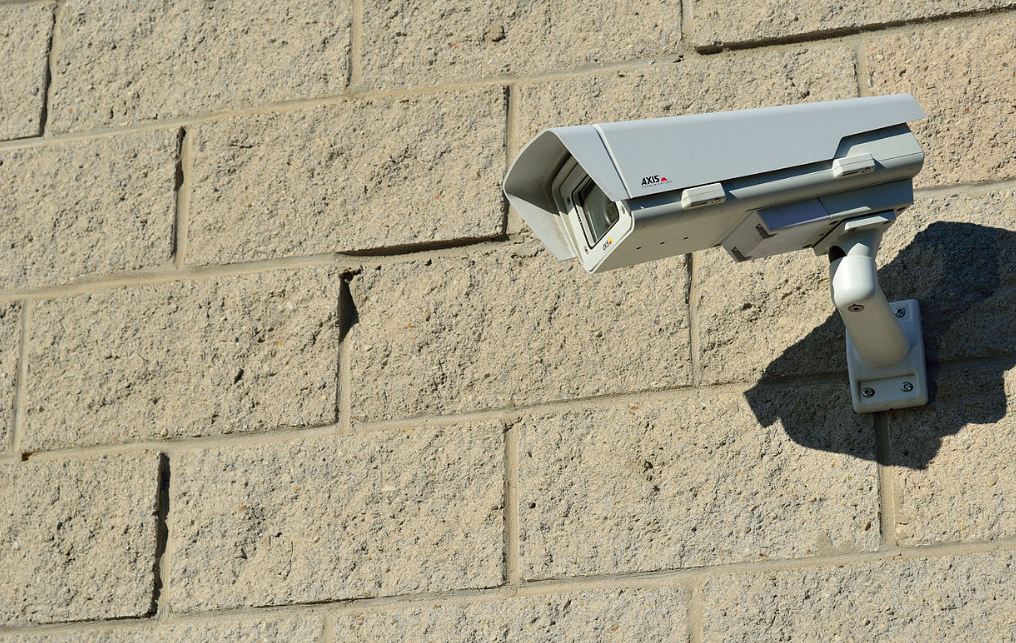
Background
Coming from the land of the free, the idea of a system that isn’t linked to traffic enforcement yet provides real-time intelligence regarding every user it sees sounds pretty dystopian, yet somehow, here we are. If you’re American, you’ve probably heard plenty of information regarding these systems already, but in case you missed it, here’s another rundown.
Founded in 2017, Flock Safety is a reasonably young company, all things considered. Started by three Georgia Tech alumni, the company would build its first system on one of the director’s kitchen tables.
With their early system helping the police to successfully identify and charge the perpetrators of a robbery, the potential of the system was realised early and after significant investment through these early years, the company would go through a period of rapid growth. This meant new products, and by the time 2024 was closing out, the company would be active in more than 4,000 cities nationally while also providing employment for a team of more than 900 workers.
Just one year later, in 2025, the company would be present in more than 6,000 US cities and would attract more controversy after it was discovered that many of its systems were installed without regulatory approval.
Despite this, the company would go ahead with a partnership with Amazon’s Ring. This would focus on giving Ring camera footage to law enforcement departments to assist with active investigations, laying the grounds for a privately-led surveillance network with broad scope and little in the way of oversight.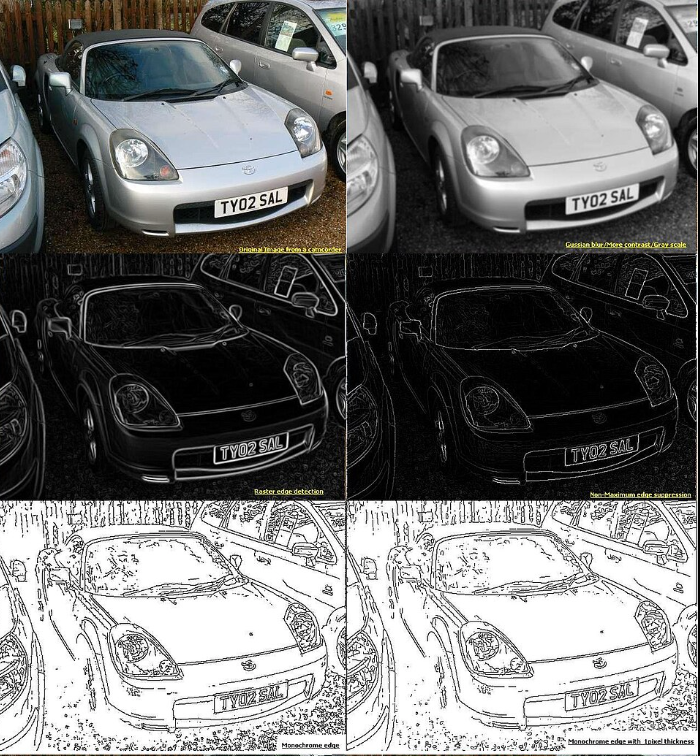
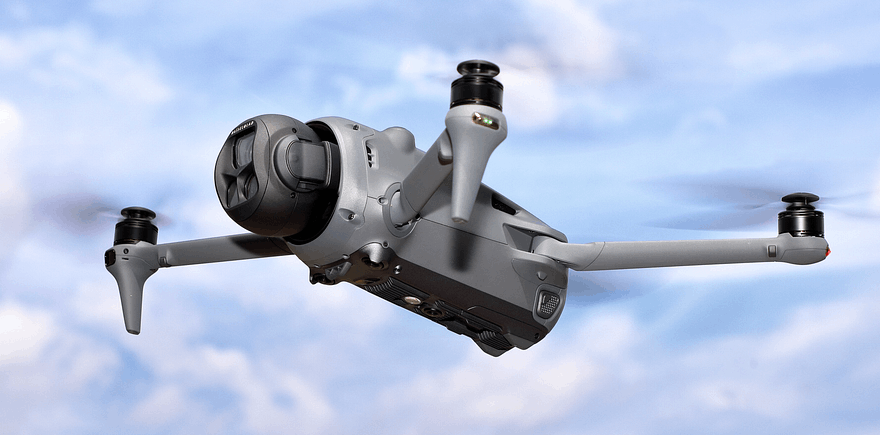
If you’re concerned about how dystopian this actually is, then please stand by as a Flock Safety, Drone First Responder will be deployed to comfort you. And no, this isn’t a joke. Terrifyingly, it’s a real thing.
Privacy Implications
With tens of thousands of cameras active across the United States, a single company has the ability to build, maintain and monetise a surveillance network that would put 1984 to shame. And, it’s worth mentioning that while the devices are commonly referred to as cameras, they are better described as being multi-spectrum electronic surveillance systems.
This is because while the network would originally start by focusing solely on Automatic Number Plate Recognition (ANPR) systems, they would grow to include Vehicle fingerprinting and imaging (archiving attributes), Audio recorders, AI-enhanced data interrogation and Pattern & Relationship metadata.
In layman's terms? These cameras can track the roof racks, lighting and other custom vehicle attributes, give it to an agency that might input a vague description like “Blue Ford SUV with roof racks and XX company signage on Highway XX”, and then present that data along with a list of known places and vehicles you associate with.
Is this a warrantless, de facto vehicle tracking system? Absolutely.
You’d be right in assuming that such a system would consume and transmit huge volumes of data, and in this instance, you’d be spot on. Most systems will operate with a cellular data connection and leverage Amazon’s cloud computing systems to provide near real-time data analysis.
While such a system would be concerning in its own right, it becomes worse when you realise it’s not just open to interrogation for information. Vehicles of interest are able to be flagged outright, and while this might be a good thing for law enforcement, it has all kinds of consequences for those with an interest in privacy
.
In the interests of balanced analysis, it’s worth looking at a statement from the official Flock website.
Here, they clarify that Flock Safety cameras do not watch your Neighbourhood. They simply capture images and data that can be shared with the police.
In the interests of crime prevention, they’ll have to capture all the data though, so it’s up to you to decide just how much of a contradiction that comment actually is.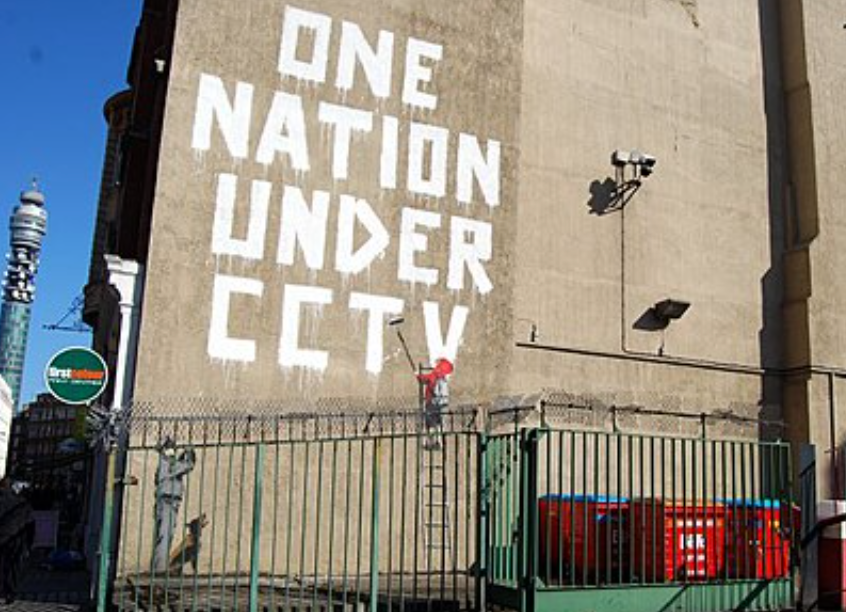
Real World Impact
It’s important to point out that, unlike 1984, this isn’t a novel. It’s a real-world project with real-world consequences because as the project has shown, they don’t always get it right.
The first issue comes from the ANPR system in general. Known cases in Ohio, Tennessee, and California where a vehicle has been incorrectly identified have led to wrongful arrests and multiple payouts by law enforcement as a result of this.
Flock won’t openly discuss the accuracy of its systems. In fact, according to their own website, cameras operate in all weather and under all conditions reliably and at a distance of tens of meters. As the court records show, though, this isn’t the case.
Court records also show that not only does the system have the possibility of being exploited for personal gain, in some instances it already has been. Two separate police officers were charged in 2025 for leveraging the Flock system in different ways. One would track an ex-partner more than 500 times before being caught, while the other attempted to have a camera installed outside a private property during divorce proceedings.
While it’s also known that Flock has provided information that has been used for immigration enforcement (a controversial step in itself), it’s less well-known that the Flock system has been used in an attempt to track women who had accessed reproductive care.
There’s no denying that this is an extremely invasive system when weaponised for intelligence purposes.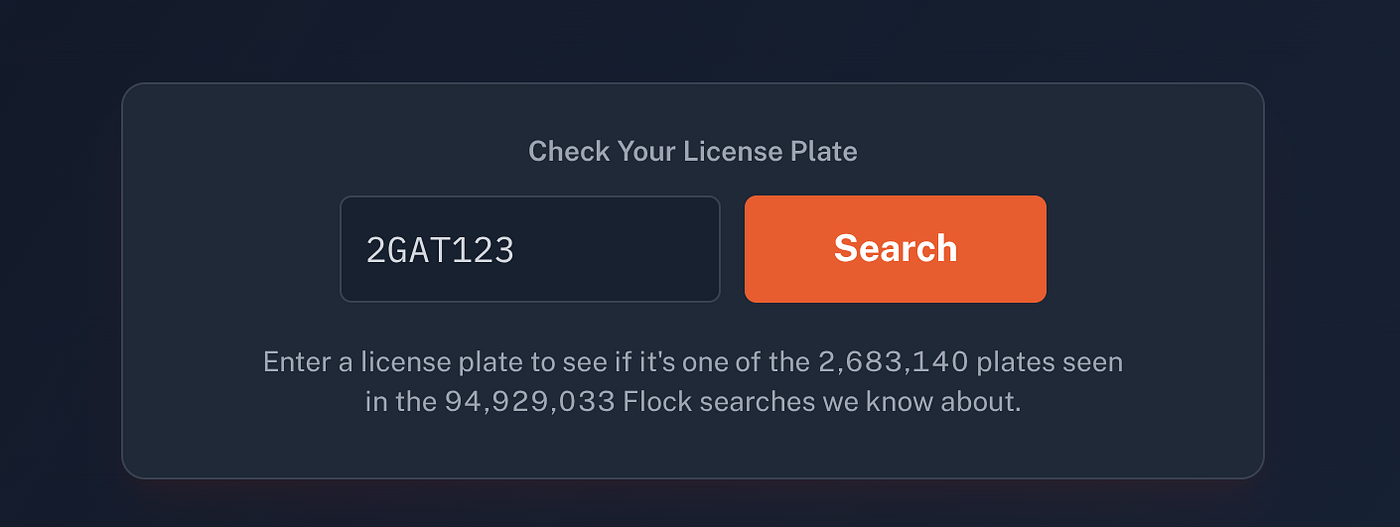
You Can Do It
If you’re angry about this, it’s probably justified, and it’s not uncommon to see cameras be reoriented or even damaged by people who have decided to take matters into their own hands. While this is, in some ways, to be expected, the reality is that some pretty interesting stuff is happening behind the scenes as people mobilise to deal with these issues.
The first thing to do is get enrolled in Flock’s “SafeList” registration link. This is allegedly going to clear your details from their records, although there is little confirmation on how effective this actually is.
The next thing you can do is visit haveibeenflocked. Based on the very useful HaveiBeenPwnd website that aims to help you to identify data breaches you’re involved in, the website has a lookup function that enables you to search your vehicle to see when and where it was identified. This site has been actively targeted by Flock and bases its records on open data, so it’s worth checking out.
If you want to plan your journey around a route that minimises your exposure to safety camera systems, you’re going to find Deflock particularly helpful. Mapping out flock cameras and displaying them on the Open Street Map, Deflock not only helps you to identify cameras within the network. It will also allow you to update the system with new installs and other information to ensure that things stay up to date.
From here on, it’s all activist stuff, as others have read information, lobbied for FOIA approvals and challenged their cities and local governments about their own usage of such systems in an attempt to upset the status quo.
As usual, the Electronic Frontier Foundation (EFF) has provided some superb resources to assist you with this. The first is the Atlas of Surveillance, a project that aims to tackle government surveillance programs head-on. The second is the “Get The Flock Out” campaign that provides template resources for civilians to complete and send to governing bodies and politicians.
The Power Of The People
It’s often said that the road to hell is paved with good intentions, and given what we know about 2026, there’s probably also a Flock Safety camera along the way as well.
Covering everything from politics to sporting teams, there are plenty of things that people won’t tend to agree on. However, mass surveillance is one of those unique situations where, often, people who sit on opposing sides of the table on some issues will typically see eye to eye on issues like this.
Having worked in an industry that valued security, there’s no doubt that security systems, or more specifically cameras, have an active role to play in our societies. However, in instances like this, it’s all too easy to see that while the commercial aspects of such a system were explored in detail, the social benefits and impacts appear to be covered in far less depth.
We’re often told that in the David v Goliath battles of people taking on the system, that Goliath is an inertia-powered behemoth, unable to be stopped by any single person.
The reality is, though, that slow, yet targeted and direct activism has played a huge role in keeping this attention in the public eye, while simultaneously making it much, much harder for Flock to ply their trade.
All things considered, most would agree that’s a good thing.
Investigator515 explores the RF spectrum, cybersecurity, and the hidden tech behind modern espionage.
Follow for new content weekly
Bluesky • X • Substack
You might also like,
- Silent Wars: The Acoustic Kitty
- Spies In The Mud: The RF-111 Aardvark
- Finding Factories: Using Shodan To Identify SCADA Devices