How Technology Has Made Investing Easier for Everyone

How Technology Has Made Investing Easier for Everyone
For many years, investing was viewed as an activity reserved for wealthy individuals, large corporations, or financial professionals. The average person often found investing complicated, risky, and difficult to access.
Traditional investing usually required large amounts of money, personal connections to brokers, and a deep understanding of financial markets. Information was limited, transactions were slow, and many people simply believed investing was not meant for them.
Today, technology has completely transformed that reality. The digital revolution has changed the financial world by making investing easier, faster, and more accessible than ever before. With a smartphone, internet connection, and basic financial knowledge, almost anyone can now participate in global investment opportunities.
One of the biggest ways technology has improved investing is through online investment platforms and mobile applications. In the past, buying stocks or other assets often required calling a broker or visiting a financial institution. Now, people can invest directly from their phones within minutes. Apps and digital platforms allow users to buy stocks, cryptocurrencies, exchange-traded funds (ETFs), and mutual funds with just a few taps. Many of these platforms are designed to be beginner-friendly, with simple interfaces and educational tools that make investing less intimidating.
Technology has also reduced the financial barriers to entry. Years ago, many investments required large starting capital. Today, some platforms allow fractional investing, meaning users can buy small portions of expensive assets instead of paying for an entire share.
This gives students, young workers, and low-income earners the chance to begin building wealth gradually.
Someone can start investing with a very small amount and still gain experience in the financial markets.
Another major benefit of technology is the availability of financial education. The internet has made investment knowledge widely accessible to millions of people around the world. Blogs, YouTube videos, podcasts, online courses, newsletters, and social media platforms now provide free or affordable financial education.
Beginners can easily learn about topics such as stocks, crypto, risk management, passive income, and portfolio diversification without attending expensive seminars or studying finance professionally.
Artificial intelligence and automation have also played a huge role in modern investing. AI-powered tools can analyze market trends, track financial data, and provide personalized investment suggestions. Robo-advisors, for example, automatically build and manage portfolios based on a user’s goals, age, and risk tolerance. These tools make investing easier for people who may not have the time or expertise to monitor markets daily.
Technology has also improved speed and convenience in financial transactions. Investors can now transfer funds instantly, monitor real-time market prices, and react quickly to market changes. Digital wallets, online banking, and payment systems have simplified the process of moving money between accounts and investment platforms. This level of convenience was nearly impossible decades ago.
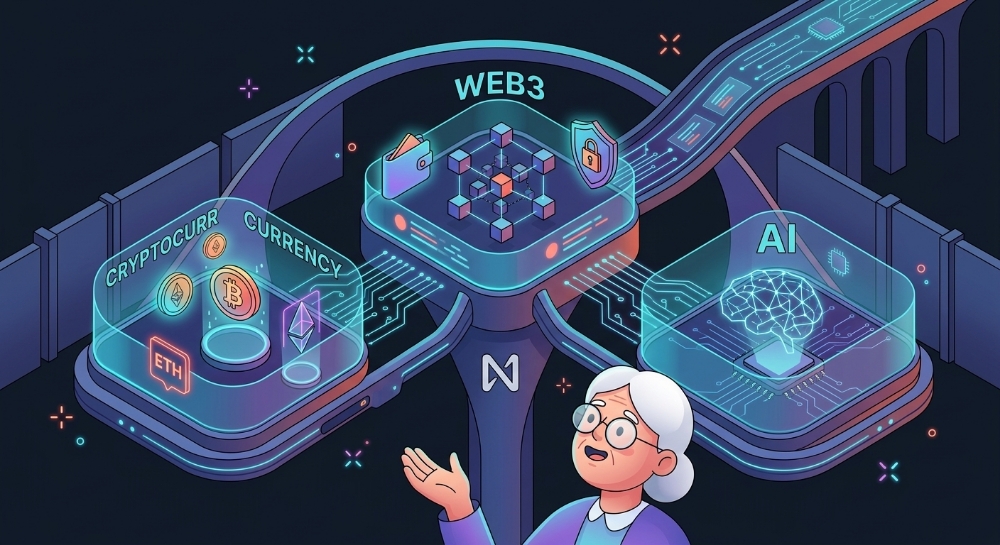
Blockchain technology and cryptocurrencies have further expanded investment opportunities.
Decentralized financial systems have introduced new ways for people to store, transfer, and invest money globally without depending entirely on traditional banks. Investors from different countries can now participate in digital economies that operate 24/7.
Social media has also changed the investment landscape. Online communities allow investors to share ideas, discuss trends, and learn from one another.
Platforms like YouTube, X, Reddit, and TikTok have helped spread financial awareness to younger generations. Many people today become interested in investing after discovering financial content online.
Despite these advantages, technology has also created new challenges. The speed of online investing can encourage emotional decisions and risky behavior.
Misinformation spreads quickly on social media, and online scams targeting inexperienced investors have become more common. Because investing is now easier to access, people must also learn the importance of research, patience, and risk management.
Cybersecurity is another concern in the digital investment world. Investors must protect their accounts, passwords, and digital assets from hackers and fraud. As technology evolves, maintaining online security becomes increasingly important.
Looking ahead, technology will likely continue transforming investing even further. Artificial intelligence, blockchain systems, decentralized finance (DeFi), and advanced financial apps may create even more opportunities for people around the world. Investing could become more personalized, automated, and globally connected in the future.
In conclusion, technology has made investing easier for everyone by removing many of the traditional barriers that once limited access to financial markets. It has democratized wealth-building opportunities by providing affordable platforms, instant information, automation tools, and global financial access. While challenges such as scams and misinformation still exist, technology has undeniably changed investing from an exclusive activity into something that ordinary people can participate in every day. The future of investing will continue to be shaped by innovation, and those who learn to adapt may benefit greatly from the opportunities ahead.