How Social Media Is Reshaping Global Culture

How Social Media Is Reshaping Global Culture
There was a time when culture moved slowly,shaped by geography, tradition, and generations of shared experience. Today, culture travels at the speed of a scroll.
Social media hasn’t just changed how we communicate. It has fundamentally reshaped how culture is created, shared, and experienced.
The Rise of a Global Cultural Exchange
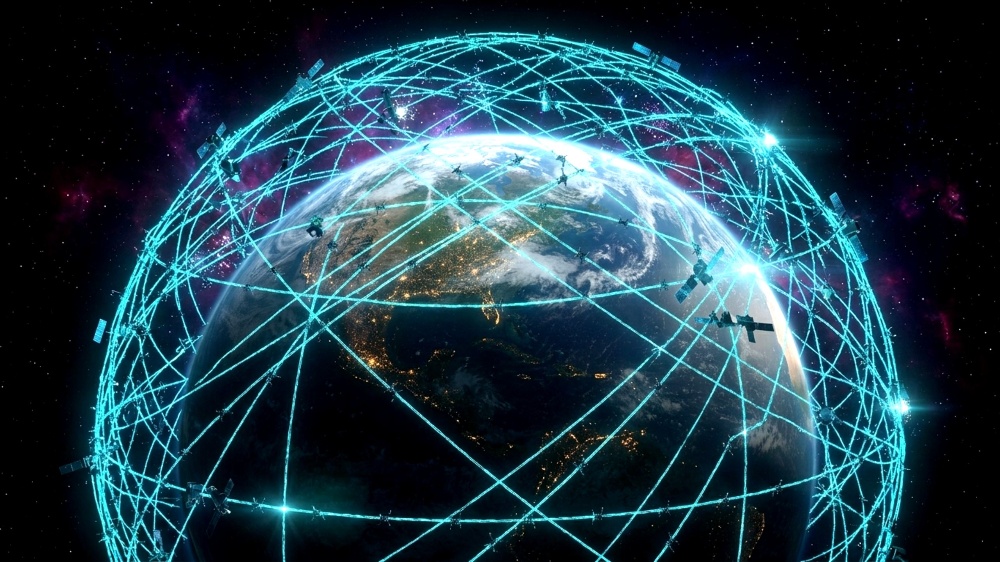
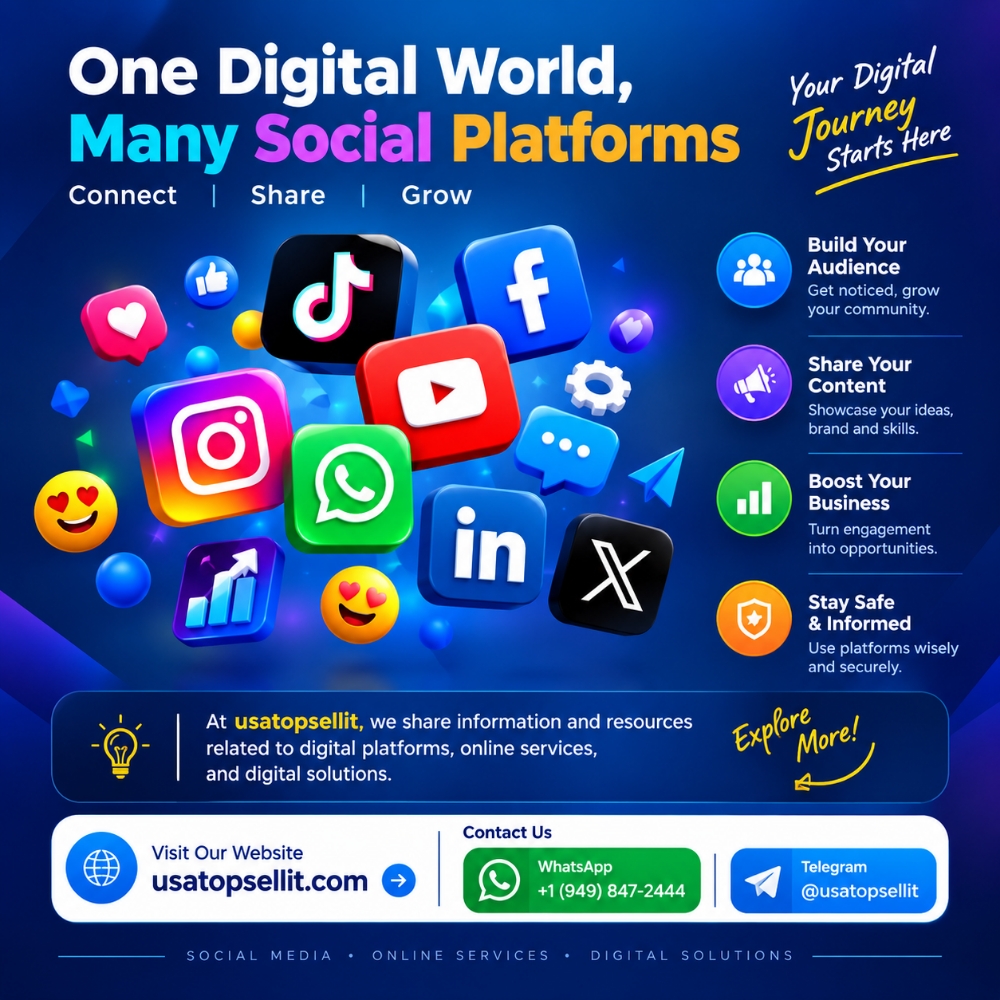
Platforms like TikTok, Instagram, and X have dissolved borders in ways never seen before.
A dance in Lagos can trend in Los Angeles overnight.
A slang word from one corner of the world can become global language within days.
Culture is no longer confined—it’s collaborative and constantly evolving.
From Consumers to Creators
Before social media, culture was largely shaped by institutions,media houses, governments, and celebrities. Now, anyone with a smartphone can influence the global narrative.
We've entered an era where:
A viral video can define trends
Everyday people become cultural icons
Communities form around shared ideas, not location
The power has shifted from the few to the many.
The Acceleration of Trends
Social media has compressed the lifecycle of culture.
Trends that once took years to spread now:
Rise in hours
Peak in days
Disappear in weeks
This rapid cycle creates a culture that is fast, fluid, and sometimes fleeting. What’s relevant today can feel outdated tomorrow.
The Blending of Cultures
Global exposure has led to a fusion of traditions, styles, and perspectives.
We see:
Music genres blending across continents
Fashion influenced by multiple cultures at once
Language evolving through shared digital spaces
This has created hybrid cultures—identities that are no longer tied to a single place, but shaped by global interaction.
The Algorithm Effect
Not all culture spreads equally.
Algorithms decide:
What we see
What goes viral
What gets ignored
This introduces a new layer of influence—invisible curators shaping cultural relevance.
While this can amplify voices, it can also:
Create echo chambers
Prioritize engagement over authenticity
Distort cultural representation
Identity in the Digital Age
Social media has become a space where people perform, explore, and redefine identity.
Profiles are no longer just personal,they are:
Curated expressions of self
Cultural statements
Digital identities
People can belong to multiple cultural spaces at once, navigating identities that are fluid and evolving.
The Double-Edged Sword
While social media has democratized culture, it has also introduced challenges:
Cultural Appropriation: Ideas can be taken without context or respect
Homogenization: Unique cultures risk being diluted into global trends
Validation Loops: Culture driven by likes and shares rather than meaning
Misinformation: False narratives can spread just as fast as real ones
The same tools that connect us can also oversimplify or distort cultural depth.
The Rise of Digital Communities
Culture today is increasingly shaped by communities, not countries.
Online spaces bring together people who share:
Interests
Values
Experiences
These digital tribes often have more influence on identity than physical surroundings.
Looking Ahead
Social media is not just a tool—it’s an environment where culture lives and evolves in real time.
The future of culture will likely be:
More interactive
More decentralized
More influenced by technology
But one question remains:
As culture becomes global, how do we preserve what makes it local and meaningful?
Final Thoughts
Social media has transformed culture from something we inherit into something we actively participate in.
It is no longer just passed down,it is remixed, reshaped, and redefined every day.
The world is more connected than ever.
But in that connection lies a challenge:
Not just to consume culture,but to understand it, respect it, and contribute to it thoughtfully.