The Elegant Silence of Coherence

The Elegant Silence of Coherence -
Why Every Logic Is a Political Choice
In contemporary society, logic no longer appears primarily as a philosophical discipline, but as an operational force embedded in algorithms, metrics, and technical systems. What once functioned as a method of reasoning now materializes as infrastructure: automated decisions, predictive models, and protocols that silently organize what can be seen, calculated, and acted upon. In this context, logic does not merely interpret the world, it executes it.
Behind every algorithm lies a logical architecture. And behind every logical architecture lies a set of choices: what counts as relevant, what can be measured, what deserves to persist. Coherence becomes an operative principle, not a virtue of thought but a requirement for systems to function. The more seamless the logic, the less visible its political weight.
Logic is often presented as neutral, a set of rules designed to distinguish clarity from error, coherence from fallacy. Yet this neutrality conceals a deeper function: logic is not only a way of thinking, it is a way of organizing the world.
Historically, logic emerges as method. From Aristotle onward, it structures discourse, offering reliable forms of inference and reasoning. Over time, this formal discipline is absorbed by theology, science, and modern rationality, transforming logic into a criterion of legitimacy. What cannot be formalized, calculated, or demonstrated gradually becomes suspect.
With modernity, logic ceases to be merely epistemic and becomes administrative. To govern, the world must make sense. Classification, measurement, prediction, and control turn coherence into an operational requirement. Logic begins to function not just as an intellectual framework, but as an infrastructure of power.
No rationality is neutral. Every logic is produced within specific historical conditions and articulates itself with dominant regimes of power. What logic renders intelligible is also what it selects. It defines what counts as valid, reasonable, and acceptable — and silently excludes what appears ambiguous, affective, contradictory, or excessive. What escapes logical form is not necessarily false, but it becomes illegible.
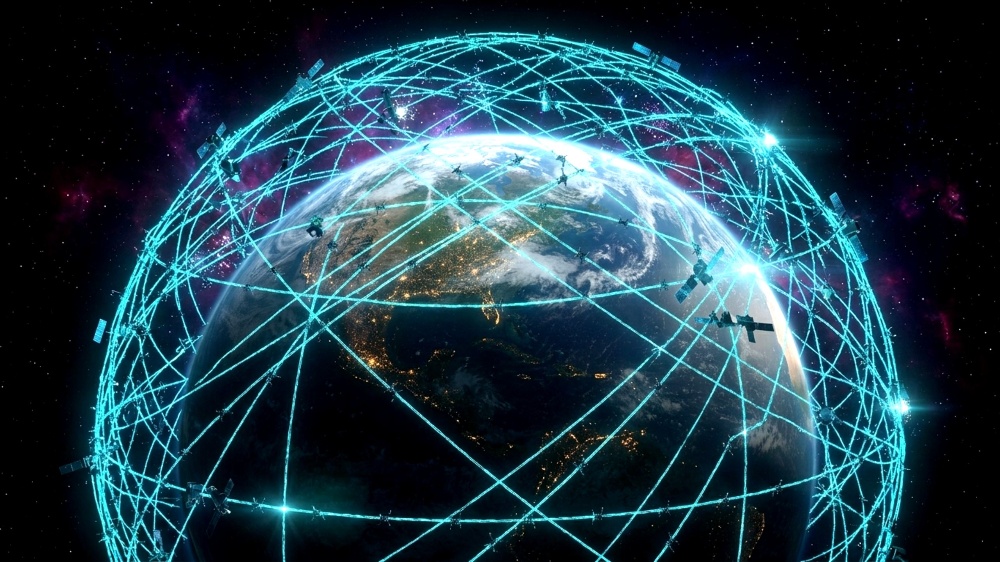
In contemporary society, this rationality assumes a technical body. Algorithms, metrics, models, and protocols do not simply apply logic, they embody it. Decision-making is automated, embedded in systems whose premises are opaque and whose outcomes present themselves as technical results rather than political choices. Logic no longer argues, it executes.
Algorithms function as automated syllogisms. Inputs are processed through predefined rules to generate decisions that are rarely open to dispute. In this regime, power does not need to justify itself. It hides behind coherence. To question the system sounds less like political dissent and more like a reasoning error.
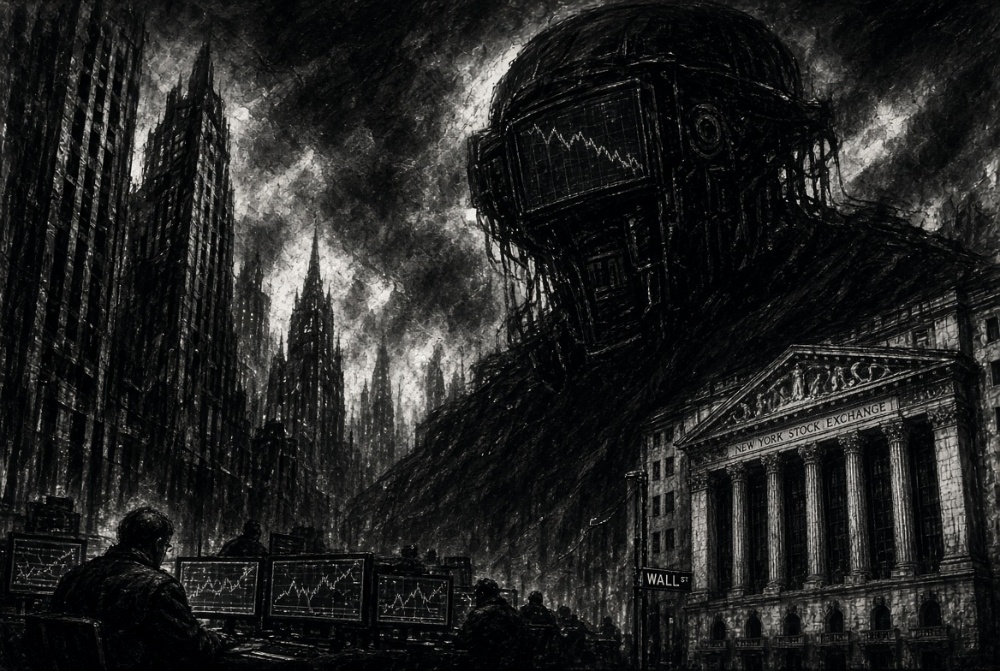
Metrics become central instruments of governance. Scores, rankings, engagement, productivity, what can be quantified gains ontological priority. What does not perform disappears without prohibition. Silencing no longer occurs through force, but through formal elegance.
This is why contemporary logic is so difficult to confront. It does not appear as ideology, but as infrastructure. It operates invisibly, automatically, and continuously. Power no longer needs to speak, it only needs the system to keep functioning.
To repoliticize logic is not to reject reason, but to historicize it. Every logic has a history. Every coherence is the result of a choice. To ask whether something makes sense is insufficient, one must ask who defines that sense, under what conditions, and with what effects.
Critique today cannot limit itself to decisions. It must intervene in architectures. It must introduce friction where perfect functioning presents itself as virtue. Noise where coherence becomes oppressive. The human is not an error of the system, it is precisely what the system attempts to correct.
Every logic that governs must remain open to questioning. Making this visible is a political act. It is a refusal to submit to the automatic functioning of the world, and an insistence that coherence, however elegant, is never innocent.