The Stripe Moment for Web3: What It Means and Why It Matters

The Stripe Moment for Web3: What It Means and Why It Matters
In the history of technology, certain products arrive that don’t just improve a space they unlock it. They remove complexity, lower barriers, and make building something new dramatically easier. In Web2, Stripe was one of those products. It transformed online payments from a painful, months long integration process into a few lines of code.
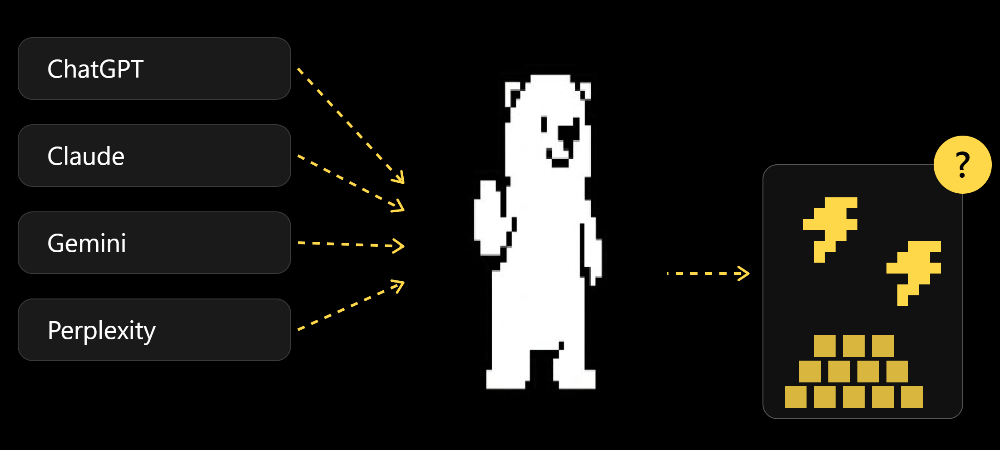
Today, many people in the crypto and blockchain ecosystem are asking: when will Web3 have its Stripe moment?
What Is a Stripe Moment?
A Stripe moment refers to the point when infrastructure becomes so simple and reliable that developers can build applications without worrying about the underlying complexity.
Before Stripe, integrating payments meant dealing with banks, payment gateways, compliance paperwork, and unreliable APIs. Stripe abstracted all of that into a clean developer experience. With just a few API calls, startups could accept payments globally.
This shift did two important things:
- Lowered the barrier to entry for startups
- Accelerated innovation across the internet
Companies like Shopify, Lyft, and thousands of startups were able to build faster because Stripe handled the hardest part: payments infrastructure.
Why Web3 Still Feels Hard
Despite enormous innovation, Web3 still has a steep learning curve for both developers and users.
Common friction points include:
- Wallet setup and management
- Gas fees and network selection
- Complex smart contract interactions
- Security concerns and private key management
- Fragmented tooling across chains
For developers, building in Web3 often requires stitching together multiple tools: RPC providers, wallet connectors, indexers, smart contract frameworks, and analytics platforms.
For users, the experience can feel intimidating compared to the seamless onboarding of traditional apps.
This complexity is exactly why the ecosystem is searching for a Stripe moment.
What the Stripe Moment for Web3 Would Look Like
The Stripe moment for Web3 would likely involve infrastructure that hides blockchain complexity while preserving its benefits.
Key characteristics would include:
1. Seamless Developer Experience
Developers could integrate blockchain functionality with minimal setup. Instead of learning multiple protocols, they would use simple SDKs and APIs.
In the same way Stripe simplified payments, Web3 infrastructure could simplify:
- Wallet creation
- Smart contract deployment
- Token transfers
- On-chain identity
- Cross-chain interactions
2. Invisible Wallets
One major barrier is wallet onboarding. The Stripe moment might involve embedded or invisible wallets, where users interact with blockchain features without needing to manage private keys manually.
Users could sign in with email, social login, or passkeys while the cryptographic layer operates behind the scenes.
3. One-Click Onboarding
The ideal flow might look like this:
- User signs up for an app
- Wallet is automatically created
- Gas fees are abstracted away
- Transactions happen instantly
From the user’s perspective, it would feel like a normal internet app while still being powered by blockchain.
4. Unified Infrastructure
Web3 is currently fragmented across many chains. The Stripe moment may involve tools that abstract this complexity, letting developers interact with multiple networks through a single interface.
Developers wouldn’t need to worry about which chain a user is on the infrastructure would handle routing and execution.
Who Might Deliver the Stripe Moment?
Several categories of companies are racing to become the Stripe of Web3:
Developer Infrastructure Platforms
Tools that simplify blockchain development through APIs and SDKs.
Wallet Infrastructure Providers
Companies creating embedded wallets and simplified key management.
Payment Rails for Crypto
Platforms bridging fiat and crypto payments.
Chain Abstraction Platforms
Infrastructure that allows applications to interact with multiple blockchains seamlessly.
Rather than one single company, the Stripe moment may emerge from a combination of tools that together create a seamless developer and user experience.
Why It Matters
If Web3 achieves its Stripe moment, the impact could be significant.
1. Faster Startup Creation
Just as Stripe accelerated the SaaS boom, simplified blockchain infrastructure could spark a new wave of Web3 startups.
2. Mainstream Adoption
Most users don’t care about blockchains they care about useful applications. Removing friction would allow apps to focus on solving real problems.
3. A Better Developer Economy
Lower complexity means more developers experimenting with decentralized technology.
And historically, developer adoption is the strongest predictor of ecosystem growth.
Are We Close?
Many signs suggest that Web3 infrastructure is moving in this direction. Wallet abstraction, account abstraction, and improved developer tooling are all steps toward a more seamless ecosystem.
But the true Stripe moment will happen when developers say something simple, adding blockchain to my app was easier than I expected.
When that happens, Web3 won’t just be a niche technology it will become part of the default stack for building on the internet.
Final Thoughts
The Stripe moment for Web3 isn’t just about better tools. It’s about turning blockchain from a specialized technology into invisible infrastructure.
When the complexity disappears, innovation accelerates.
And when that happens, the next generation of internet applications finance, gaming, identity, ownership, and beyond may be built on Web3 without users even realizing it.