How AI-Driven Asset Tokenization Enables Enterprises to Digitize and Fractionalize High-Value Assets

The rise of blockchain and artificial intelligence (AI) technologies is reshaping traditional asset management and investment models. Enterprises that deal with high-value assets such as real estate, infrastructure, luxury goods, and intellectual property are increasingly exploring AI-driven asset tokenization as a way to digitize, fractionalize, and efficiently manage these resources. By combining AI capabilities with blockchain-based tokenization, businesses can enhance transparency, liquidity, and operational efficiency, opening new avenues for investment and asset utilization.
What is AI Asset Tokenization?
AI asset tokenization converts ownership rights or economic value of high-value assets into digital tokens on a blockchain, enhanced by AI-powered automation and analysis. Each token represents a fraction of the asset, enabling shared ownership among multiple investors while improving liquidity and accessibility. Unlike traditional asset management, AI-driven tokenization leverages smart contracts, predictive analytics, and automated compliance to streamline operations, optimize asset performance, manage risks, and provide enterprises and investors with actionable insights and greater flexibility.
Key Benefits of AI Asset Tokenization for Enterprises
Fractional Ownership of High-Value Assets
AI asset tokenization allows high-value assets such as commercial real estate, art collections, or intellectual property to be divided into digital tokens, each representing partial ownership. This fractionalization lowers entry barriers, enabling a wider pool of investors to participate while allowing enterprises to maintain control, share risks, and diversify investment opportunities without selling the entire asset.
2. Enhanced Liquidity and Marketability
Tokenized assets can be traded on secondary marketplaces, providing faster and more efficient liquidity compared to traditional asset sales. AI-driven analytics optimize pricing, forecast investor demand, and enhance marketability, enabling enterprises to unlock capital from non-core assets and diversify funding sources with minimal transaction costs and delays.
3. Improved Transparency and Security
Blockchain ensures immutable ownership records, while AI monitoring detects anomalies and enforces compliance in real time. Smart contracts automate processes such as revenue sharing, dividend distribution, and rights management, reducing errors and fraud risks, and enhancing investor confidence and regulatory compliance for enterprises.
4. Optimized Asset Management
AI algorithms analyze historical and real-time data to optimize utilization, forecast market trends, and improve operational efficiency. By integrating predictive insights into tokenization platforms, enterprises can make informed decisions, maximize returns, reduce inefficiencies, and plan strategic investments with data-driven precision.
How AI Facilitates Tokenization Processes
AI-Powered Valuation
One of the key challenges in tokenizing high-value assets is determining accurate valuations. AI systems can analyze extensive datasets, including market trends, historical transactions, and economic indicators, to generate precise asset valuations. This ensures that each token reflects a fair share of the underlying asset’s value, increasing investor trust and market efficiency.
Automated Compliance and Risk Management
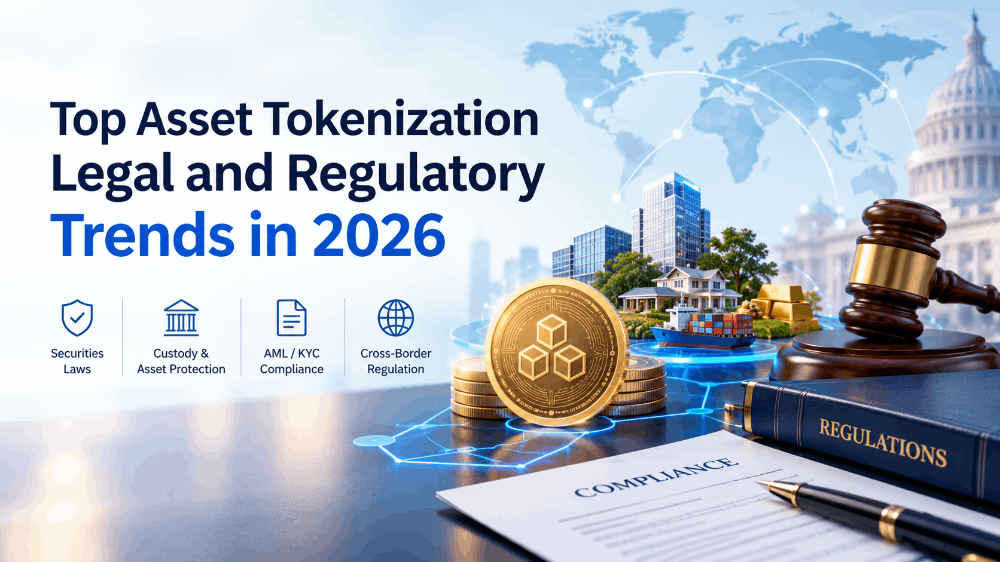
Regulatory compliance is critical for tokenized assets, especially when fractional ownership and cross-border investments are involved. AI can automate KYC (Know Your Customer) and AML (Anti-Money Laundering) processes, monitor transactions for suspicious activity, and enforce regulatory rules via smart contracts. This reduces the administrative burden on enterprises while maintaining legal and operational integrity.
Predictive Market Insights
AI can anticipate market fluctuations and investor demand for tokenized assets, helping enterprises price tokens strategically and optimize liquidity. Predictive analytics also enable proactive risk mitigation, identifying potential vulnerabilities in asset performance or market conditions before they escalate.
Smart Contract Automation
AI can enhance smart contracts by introducing adaptive mechanisms, such as dynamic pricing, automated distribution of profits, and conditional execution based on real-world data inputs. This improves the operational efficiency of tokenized assets and ensures transparent, rule-based management without human intervention.
Advantages for Enterprises
Implementing AI asset tokenization offers several advantages for enterprises managing high-value assets:
- Capital Efficiency: Unlocks liquidity without the need to sell the entire asset.
- Broader Investor Reach: Fractionalized tokens appeal to a wider range of investors globally.
- Operational Efficiency: AI automates valuation, compliance, and asset management tasks.
- Enhanced Security: Blockchain ensures immutability and secure ownership records.
- Data-Driven Decisions: AI analytics provide actionable insights for investment, risk, and portfolio management.
By leveraging AI asset tokenization, enterprises can transform static assets into dynamic, tradable, and revenue-generating instruments.
Use Cases of AI Asset Tokenization in Enterprises
1. Real Estate and Infrastructure
Enterprises can tokenize residential or commercial properties, allowing investors to acquire fractional shares of high-value assets. AI-driven analytics optimize rental management, maintenance scheduling, and property valuation, enhancing returns and operational efficiency.
2. Luxury Goods and Art
High-end collectibles, artwork, and luxury items can be tokenized to facilitate fractional ownership and secure trading. AI ensures authenticity verification, tracks provenance, and predicts market trends to maximize investment value.
3. Intellectual Property and Royalties
Companies holding patents, trademarks, or copyrights can tokenize these assets, allowing investors to participate in royalty streams or future revenue. AI algorithms manage licensing, track revenue flows, and forecast potential returns, making intangible assets more liquid and investable.
4. Industrial Equipment and Infrastructure
Tokenizing expensive machinery, logistics infrastructure, or energy assets allows enterprises to monetize underutilized resources. AI-driven predictive maintenance and utilization analysis improve operational efficiency, while tokenization unlocks access to capital from investors seeking fractional ownership.
Challenges and Considerations
Despite the benefits, AI asset tokenization also presents challenges that enterprises must address:
- Regulatory Complexity: Navigating local and international regulations for tokenized assets requires careful planning and legal expertise.
- Technological Integration: Combining AI, blockchain, and smart contracts requires specialized infrastructure and skilled teams.
- Data Privacy and Security: AI systems rely on extensive data collection, which must comply with privacy laws and be secured against cyber threats.
- Market Adoption: Widespread acceptance of tokenized assets depends on investor education and trust in digital asset platforms.
Addressing these challenges is essential for sustainable adoption and successful deployment of AI asset tokenization strategies.
The Future of Enterprise Asset Tokenization
AI asset tokenization is set to redefine how enterprises manage and monetize high-value assets. The future is likely to see:
- Integrated AI and Blockchain Platforms: Platforms combining AI analytics, predictive modeling, and blockchain-based tokenization for seamless asset management.
- Cross-Industry Tokenization: Expansion beyond real estate and collectibles to manufacturing, logistics, energy, and intellectual property sectors.
- Dynamic Investment Products: AI-driven tokenized assets offering dynamic returns, risk-adjusted pricing, and automated yield distribution.
- Global Accessibility: Democratized access to previously illiquid high-value assets for both retail and institutional investors worldwide.
These developments indicate a shift toward more efficient, transparent, and inclusive investment models for high-value assets.
Conclusion
AI asset tokenization allows enterprises to digitize and fractionalize high-value assets, delivering enhanced liquidity, transparency, and operational efficiency. By combining AI with blockchain, companies can optimize asset management, enable predictive insights, automate compliance, and leverage smart contracts to boost investor confidence. This transformative approach creates new investment opportunities and positions enterprises to capitalize on evolving technology and regulatory frameworks, fostering a more efficient, democratized, and transparent financial ecosystem.