The Viral AI Agent Taking Over 2026 (And Why It's Equal Parts Genius and Chaos)

If you’re not talking about OpenClaw yet, you’re already a step behind the AI crowd. This thing is everywhere right now. GitHub, X threads, Reddit rabbit holes, security blogs, meme pages, you name it. It’s the perfect storm as they say. An open‑source DIY AI agent that promises “AI that actually does stuff,” wrapped in controversy, security scares, and a dash of internet drama that basically guarantees views.
So, What Exactly Is OpenClaw?

OpenClaw (which has gone through identities like Clawdbot and Moltbot on its way here) is essentially a layer you put on top of big AI models. Think ChatGPT-style systems, Claude, or Gemini to turn them from chatty helpers into autonomous agents that can actually take actions. Instead of you manually prompting it step by step, you give OpenClaw a goal, and it decides which tools to use such as browser automation, shell commands, file editing, API calls, and then goes off and executes the plan while sending you updates like a very intense, very eager digital intern.
It runs locally on your hardware, which means you aren’t forced into some giant cloud service just to try it. That “self‑hosted power tool” vibe has hit a nerve with developers, hackers, and tinkerers who want serious capability without handing the keys to a big vendor. The numbers tell the true story. More than 145,000 GitHub stars and over 20,000 forks in just weeks, which is insane velocity even by open‑source hype standards. The creator, Austrian developer Peter Steinberger, has been very open about the fact that this is still rough in places, but that hasn’t slowed down the stampede at all.
Under the hood, OpenClaw is all about giving your agent “hands.” It adds persistent memory so it can remember your preferences across sessions, plug‑in style “skills” for specific tasks, support for multiple model backends, and cross‑channel updates through things like WhatsApp, Telegram, or Slack. It’s meant to feel like a digital coworker that doesn’t just suggest what to do but actually does it, and then pings you when something important happens.
How It Blew Up: Moltbook, Hype, and a Whole Lot of Drama

The reason OpenClaw is such a magnet for attention isn’t just that it’s powerful. It’s that the whole story around it is perfectly tuned for internet drama. One of the biggest accelerants is Moltbook, a social platform where OpenClaw agents themselves can post, comment, and interact with each other, basically a social media for bots. The moment people realized we now have a place where autonomous AI agents are arguing, negotiating, and swapping ideas in public, the headlines wrote themselves. It feels like a tiny slice of a future AI society, which is both fascinating and slightly unnerving.
That alone would have been enough to ride the agentic AI wave that’s been building, but of course the internet said, “Let’s make it spicier.” The OpenClaw name got hijacked into a meme crypto token called $CLAWD, which pumped to around an eight‑figure valuation before the creator had to publicly declare he had nothing to do with it. People mistook the token for an “official” OpenClaw asset, aped in, and then watched it tank. It was textbook speculative chaos and added another layer of spectacle to an already viral project.
Timing also helped. February 2026 is already being called “one of the craziest months in AI” in accelerationist circles, with multiple agent platforms launching and everyone trying to out‑announce each other. While OpenAI was unveiling its Frontier platform for managing enterprise AI agents and big vendors were busy pitching “safe AI coworkers,” OpenClaw grabbed attention on the opposite end of the spectrum. Raw, open, powerful, and a little dangerous. That contrast is catnip for social feeds.
What People Actually Use It For (When They’re Not Just Showing Off Screenshots)

Strip away the memes and hype, and you’re left with a very simple pitch. OpenClaw is supposed to take the boring, repetitive stuff off your plate. Users are wiring it into email accounts to triage inboxes, set up rules, and draft replies. Others have bolted it onto trading workflows so it can monitor markets, pull in data, and execute trades according to a strategy. Some people are hooking it into browsers for “research runs,” where it crawls sites, grabs information, and drops summaries into documents or chats automatically.
Because it’s built around this idea of “skills,” anyone can add small, focused capabilities that other people can reuse. That’s part of what’s fueling the growth. Once you’ve got a framework that can call tools, browse, read files, and talk to APIs, the community will inevitably start throwing every possible use case at it. It also supports multiple modalities such as language, vision, and even speech depending on the models and skills you plug in, so you’re not limited to just text.
Users like it because it feels like having a clone who doesn’t sleep and doesn’t complain about repetitive work. It remembers your preferences through its memory system, delivering a more personalized feel over time instead of starting from zero every session. The flip side is that you do need some hardware and some patience. This isn’t a one‑click consumer app. Running serious agents means you care about GPUs, RAM, and configuration. NVIDIA and others have already published guides on how to get OpenClaw running efficiently on RTX GPUs and DGX environments, which says a lot about the demand from power users.
The Dark Corners: Malware, Misconfigurations, and “Le Trifecta”

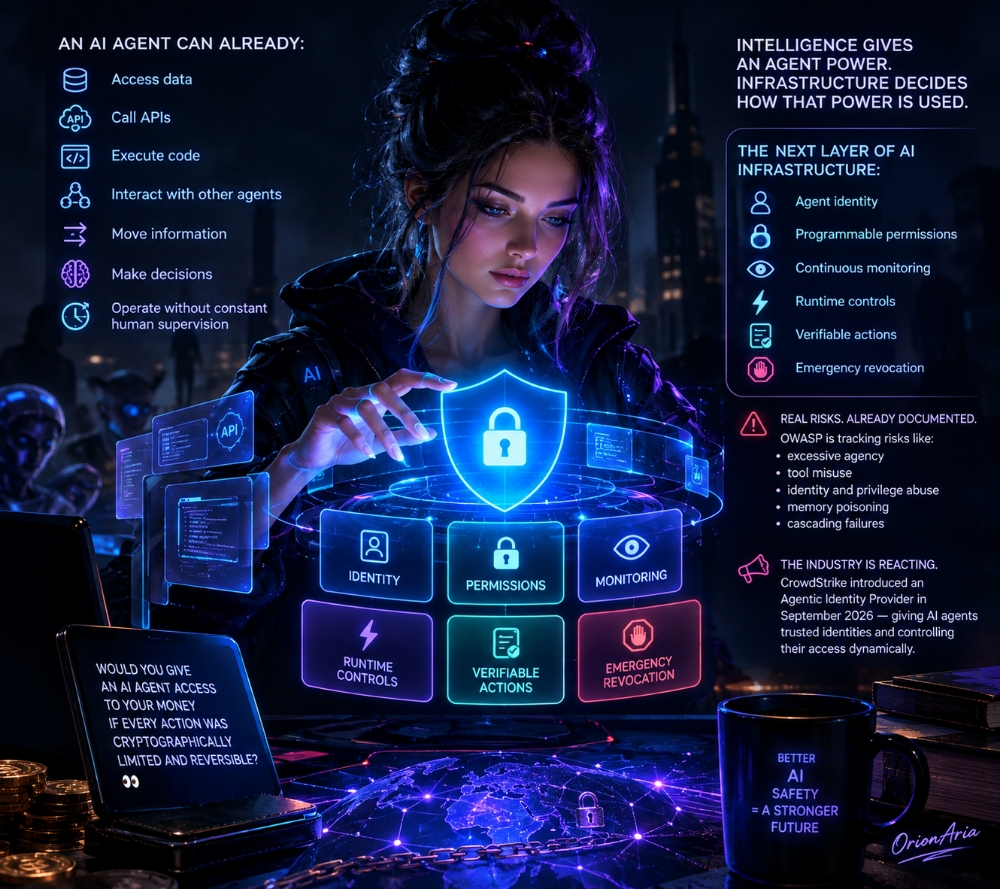
Now for the part that makes security folks sweat and headlines pop. The very thing that makes OpenClaw exciting such as autonomous access to tools, files, and networks is exactly what makes it risky when people are careless. Trend Micro and other security researchers have pointed out that agentic assistants like OpenClaw form what they call a “trifecta” of risk. They have access to sensitive data, they blindly interact with external inputs, and they can execute powerful actions on your behalf. That’s a dream scenario for attackers if they can wedge themselves into the loop.
Security teams have already identified malicious or compromised “skills” masquerading as useful add‑ons, including scripts that download or drop malware under the guise of setup steps or updates. VirusTotal has reported hundreds of suspicious OpenClaw‑related files, with some designed to quietly siphon data or open backdoors once the agent is running on a host machine. Bitsight has also warned about exposed OpenClaw instances on the open internet. Poorly configured deployments that allow outsiders to access the agent and, by extension, the systems it can touch.
The creator acknowledges the security concerns and has said OpenClaw is still maturing, with efforts underway to harden defaults and improve best practices. But enterprise security teams are already waving red flags, calling autonomous agents plus third‑party skills a potential supply‑chain nightmare if companies rush in without guardrails. That tension (huge power and huge risk) is a big part of why the topic is so irresistible right now. It’s the classic “this can save you hours or ruin your day” energy.
Where OpenClaw Fits in the Bigger Agentic AI Wave

OpenClaw isn’t happening in a vacuum, it’s riding a broader wave where AI is shifting from passive prediction to active decision‑making and execution. Industry reports on agentic AI predict that a large chunk of enterprise applications will embed agents in some way over the next year or two, automating workflows across tools like CRMs, ERPs, and collaboration suites. OpenAI’s Frontier platform is a prime example on the enterprise side I think. A managed environment for deploying, monitoring, and governing fleets of agents across a company, with early adopters including firms like Oracle.
Analysts at places like MIT Sloan Management Review note that while agentic AI is clearly a major trend, it’s also at risk of riding straight into the “hype cycle” wall. Early overpromising, followed by disappointment when systems hit practical limits. Today’s agents are powerful but far from infallible. They hallucinate, misinterpret instructions, and occasionally chain actions together in ways nobody anticipated. That’s part of why OpenClaw draws so much attention. It’s the raw version of this movement, without the enterprise polish, exposing both the potential and the chaos.
Thanks for reading everyone! Have you had the chance to try ClawBot? Let me know in the comments.
Remember everyone, stay cruious and keep learning.