What Is Web3? (Full Beginner-Friendly Explanation)
Web3 is the next evolution of the internet built on blockchain technology.
Its main goal is simple:Shift control from big companies back to users.
To understand Web3 properly, we need to look at how the internet evolved.
The Evolution
• Web1 → Web2 → Web3
Web1 (1990s – Early 2000s) – Read Only
- Static websites
- No interaction
- Users only consumed content
Example: Basic company websites.
Web2 (2005 – Today) – Read & Write
- Social media, apps, streaming
- Users create content
- BUT companies own the platforms and your data
Examples:
- YouTube
In Web2:
- You are the product
- Your data = company revenue
Web3 (Now Emerging) – Read, Write & Own
- Built on blockchain
- Decentralized
- Users own assets and identity
Instead of logging in with email, you connect a crypto wallet.
Instead of trusting a company, you trust code (smart contracts).
> How Web3 Works
1️⃣ Blockchain
A distributed digital ledger stored across many computers.
No single company controls it.
Example blockchains:
- Bitcoin
- Ethereum
2️⃣ Smart Contracts
Self-executing programs stored on blockchain.
They remove middlemen.
Example: Instead of a bank approving a loan → a smart contract executes automatically when conditions are met.
3️⃣ Crypto Wallets
Your Web3 identity.
You control:
- Tokens
- NFTs
- Access to dApps
No bank needed.
4️⃣ dApps (Decentralized Applications)
Apps that run on blockchain networks.
Examples:
- DeFi platforms (lending, trading)
- NFT marketplaces
- DAO governance platforms
🔥 Key Features of Web3
• Decentralization
No central authority controls the system.
• Ownership
You truly own your digital assets (tokens, NFTs).
• Transparency
All transactions are publicly verifiable.
• Permissionless Access
Anyone with internet can participate.
• Trustless System
You don’t need to trust people — you trust the code.
Real-World Web3 Use Cases
Decentralized Finance (DeFi)
Banking without banks:
- Lending
- Borrowing
- Trading
• NFTs (Digital Ownership)
Art, music, gaming assets — owned on blockchain.
• DAOs (Decentralized Autonomous Organizations)
Communities that vote on decisions using tokens.
🎮 Web3 Gaming
Players own in-game assets instead of game companies owning everything.
⚠ Challenges of Web3
Web3 is powerful but still early.
- Complex for beginners
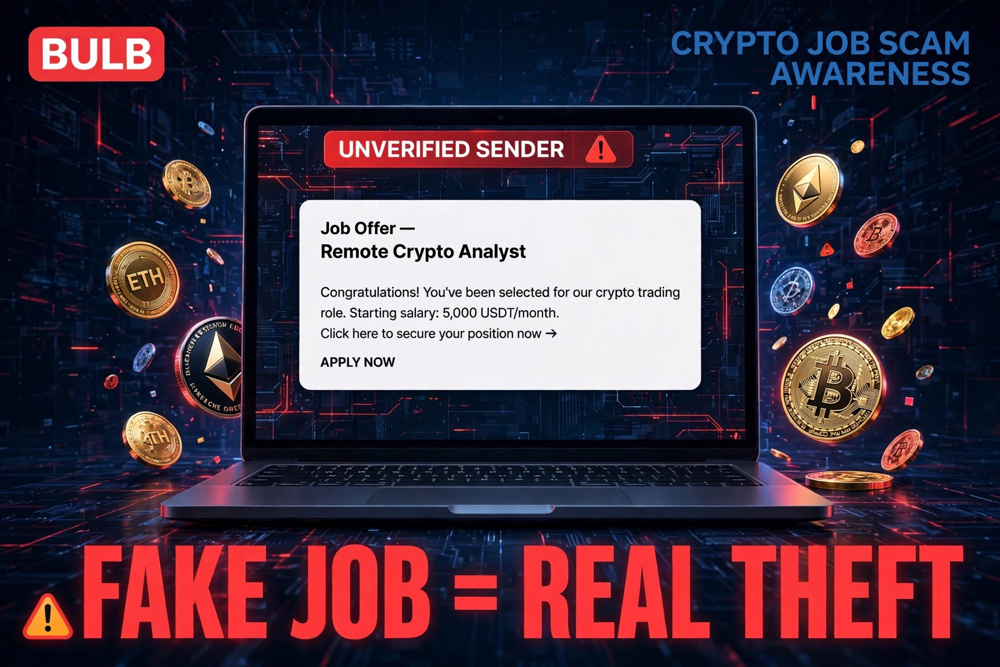
- Scams & security risks
- Regulatory uncertainty
- Scalability issues
Education is very important
Are you still reading/learning about your web3 activities?