Your First SIGINT Toolkit for Under $100

RF-capable hardware can be expensive, particularly if you’re looking to transmit. And, the higher you go in the frequency range, the truer this is, with some microwave-capable systems being both elaborate and expensive.
The reality is though, it doesn’t always have to be this way, particularly if you are a beginner. The RTL-SDR is an acceptable, receive-only piece of hardware that has given many a beginner an easy start into the world of radio and software for signal analysis is both prolific and, in a lot of instances, free.
While you’ll eventually want a license and some more capable equipment, it’s more than possible to make a start for less than $100, and in today’s article, we’re going to do just that.
For this project, we’ll assume you have the ability to boot a live USB from one of your devices.
Note: If you can’t/don’t want to spare $100 for this project, take the entirely free method by using the pre-existing WebSDR systems that are available online. While you’ll need to browse to find your interest, this can still give you an entirely free entry to the world of radio.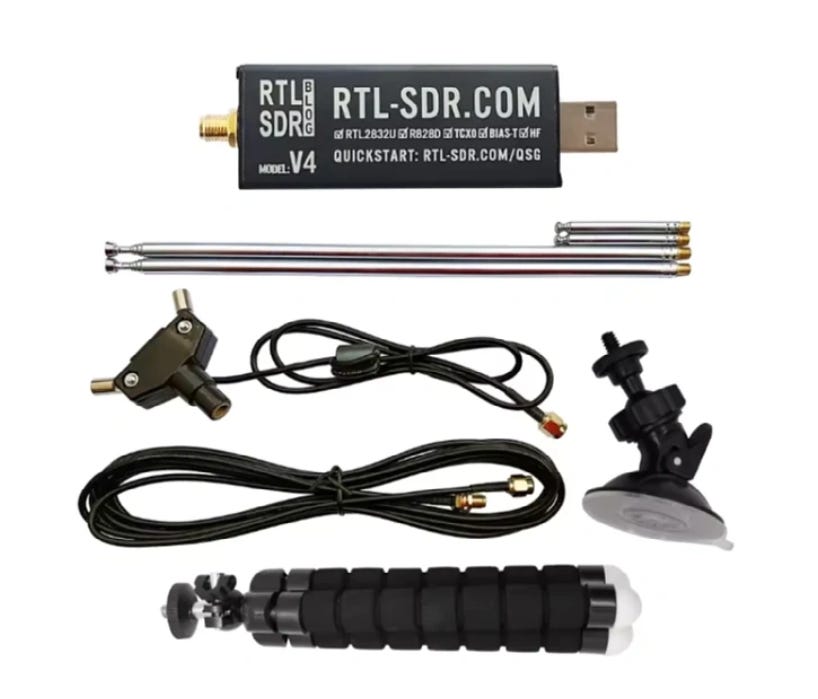
The Hardware
The aim of the game is cheap and easy, as such it makes sense that the rtl-sdr is the recommended radio of choice. With the V4 model currently released, it provides additional features over the V3 and comes with a mount, coaxial cable and two antennas.
This isn’t the budget r820T chipset. Using the new r828T, the V4 model includes features like:
- TXCO for frequency stability
- Improved front-end filtering
- An aluminium case for better rejection of stray RF, and
- A built-in HF upconverter that lets you tune down to 500khz
This, paired with all the existing features of the earlier rtl-sdr along with its price point of $58.00 make it perfect for the project.
Get your RTL-SDR thanks to our partners over at OpenSourceSdr Lab
While our kit comes with antennas, we might want to chase some weak signals as well. To do this, we’ll need to acquire a low-noise amplifier to ensure our rtl-sdr is capable of acquiring signals from a greater range. Low-Noise amplifiers can be both complex and expensive; however, in this instance, we can use a cheap LNA while accepting its shortfalls.
OSSDRLab have an LNA that provides 22db of gain from 10MHz through to 3000MHz.
This gives us a usable frequency range that allows for aircraft tracking, satellite weather and general exploration.
At $5.56, it’s perfect for our project.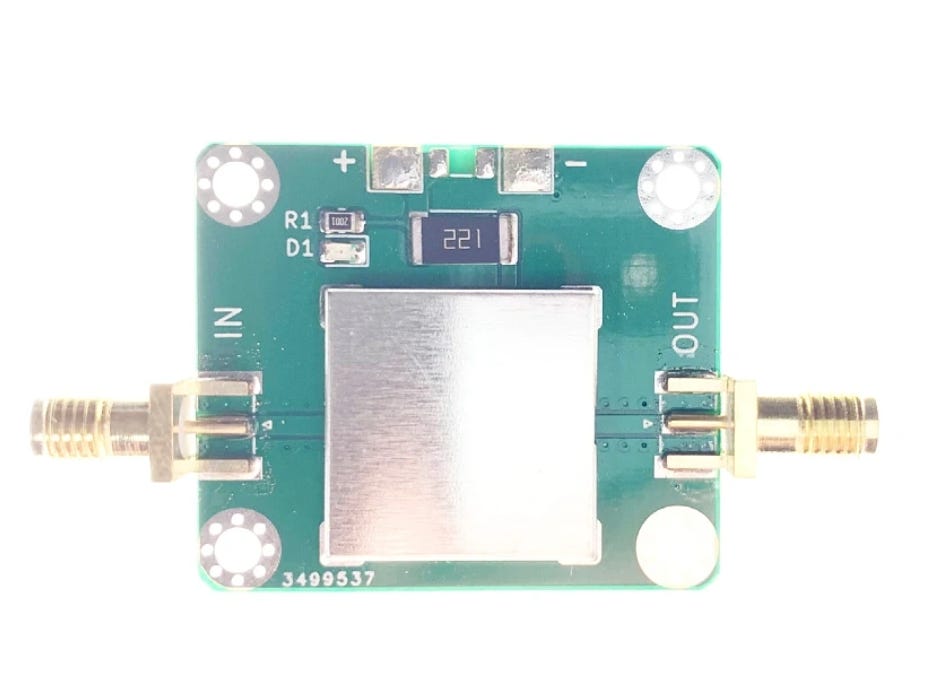
Get your LNA thanks to our partners over at Open Source SDR Lab
With a current running total of around $64.00, we might just have enough left in the budget to create ourselves an operating system before we run out of money.
We’ll do this by creating a Live USB that we can use to boot a laptop into our operating system of choice.
This gives us a persistent install that we can reuse without requiring the purchase of a dedicated laptop.
To do this, we’ll need a decent, high-speed USB drive, and this Sandisk Drive from Amazon should do the trick.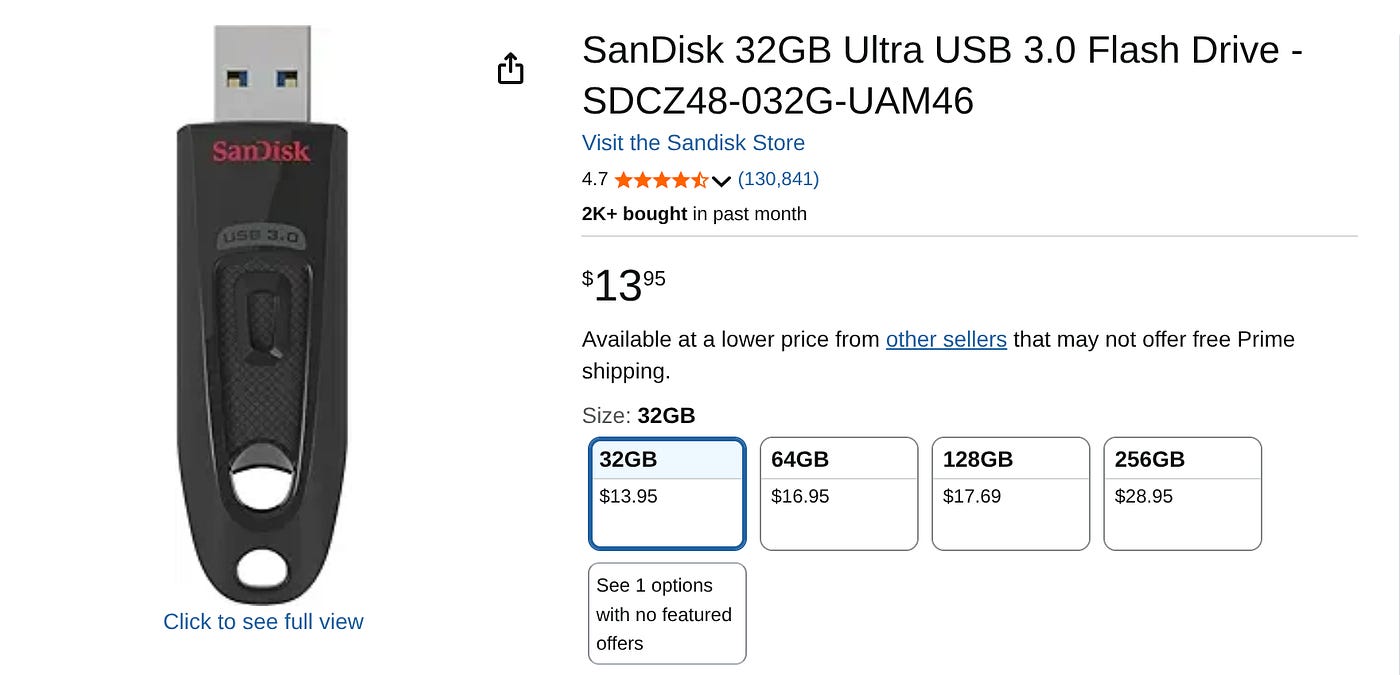
At $13.95 with free shipping for Prime members, it gives us the capability of using a Live USB without blowing out our budget.
Get your USB via Amazon
Now so far, we have the:
RTL-SDR: $58.00
Preamp: $5.56
USB: $13.95
Total: $77.51
This should give us just enough to cover the dreaded shipping.
Now we can build!
The Software
While it’s here, you might expect us to recommend the ubiquitous Kali Linux; for this project, we’re going to take a different approach.
There’s no denying that Kali has plenty of tools that are useful for the rtl-sdr but with a distinct SIGINT twist to our project, we can probably do a little better than that.
That’s why we’re going to go with a distro that we’ve written about before, the RF-focused DragonOS. Designed specifically for software-defined radio systems, Dragon comes with a vast array of tools out of the box that enable you to fully leverage the capabilities of your new beginner’s station.
Based on Ubuntu and fully open-source, which means it’s free of charge, it’s a great tool for getting your hands dirty and exploring the radio spectrum. It also has plenty of room for growth in that it is configured out of the box to run better, more sensitive SDR systems, like the HackRF and SDRplay.
This means that when the time comes to upgrade (and if you get hooked, that time will come), interfacing your new hardware is, in most instances, as simple as plug and play.
If we got your attention, then why not wander over to SourceForge and take a look at some of the out-of-the-box tools that DragonOS offers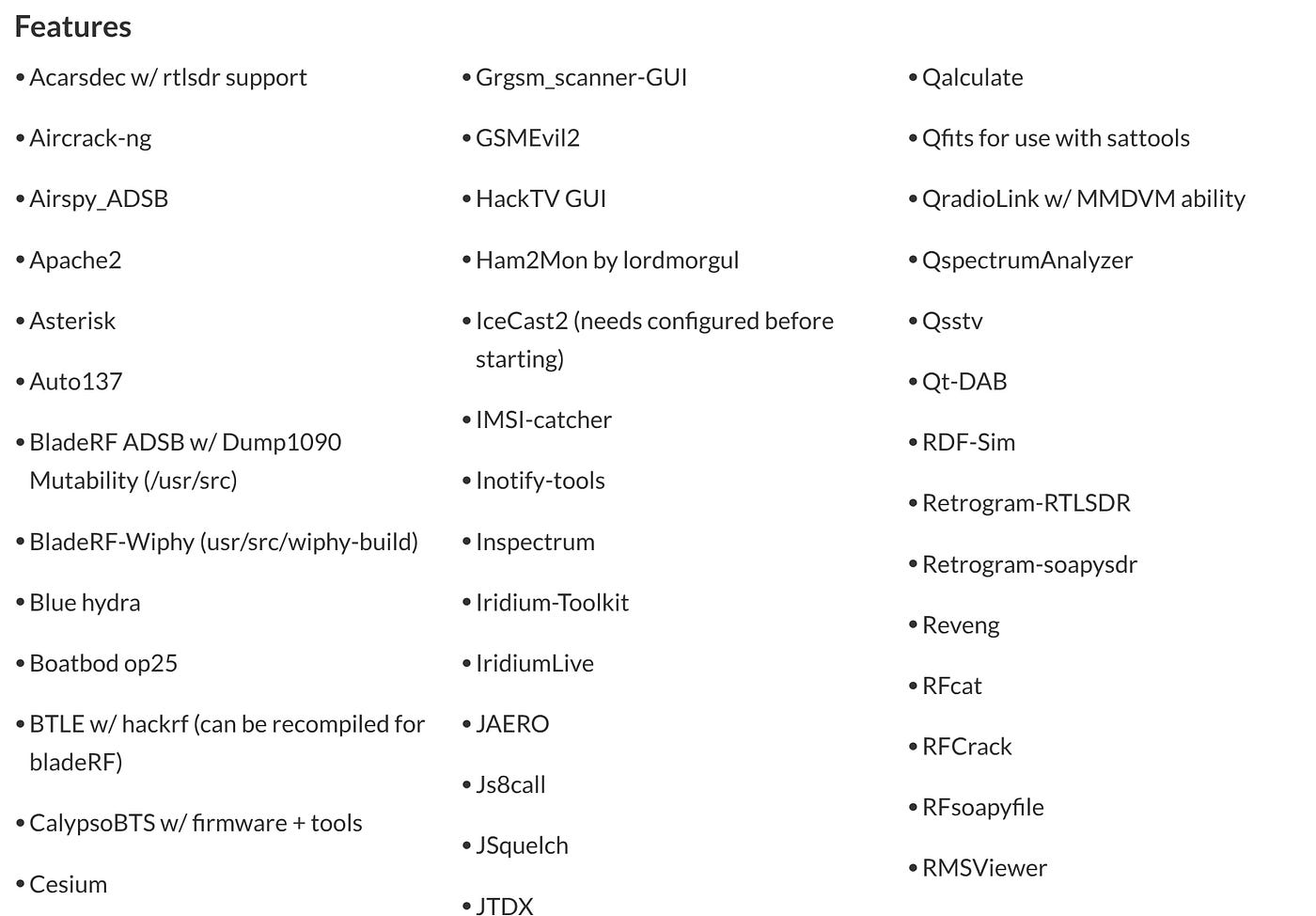
What Can It Do?
Once assembled, your beginner SIGINT station is only limited by your imagination. Thanks to the comprehensive software provided through DragonOS, you can have endless hours of fun experimenting with different signal types and modes.
Here are just a few of the things you can do with your new hardware.
Intercept live imagery from Meteor Weather satellites. (Satdump)
Intercept ACARS communication traffic from aircraft (AcarsDEC)
Intercept ADS-B traffic and get a free Flightradar account (Dump1090)
Intercept packet and voice communications from the ISS (GqRX)
Intercept satellite telemetry and data (Satdump / GqRX)
This is by no means an exhaustive list, but it should help to highlight just how flexible our little SIGINT station is when it comes to finding out what is going on around us.
Subscribe For Tutorials
While today’s article simply looks at our hardware options, some readers might like some additional support with bringing some of these projects to life.
And, as always, we’re happy to help. In the Radio Hackers Archive, you can find plenty of historical projects that will help you learn about antennas, hardware and software. You’ll also find specific tutorials in there that relate to some of the project suggestions from above.
We’ll also be looking more at the $100 toolkit in the coming months, as it’s a great way to get started in radio without making things too complex or overwhelming.
So, be sure to subscribe to the publication for the latest project updates. Or, if you’d like to see something specific built, be sure to leave a comment with your suggestion.
Investigator515 explores the RF spectrum, cybersecurity, and the hidden tech behind modern espionage.
Follow for new content weekly
Bluesky • X • Substack
You might also like,
- OSINT Investigators Guide to Self Care & Resilience
- Spies In The Mud: The RF-111 Aardvark
- What The Tech?! Space Shuttles