Web3
Web3 is one of the most talked-about ideas in technology today, but many people still ask a simple question: what exactly is Web3, and why does it matter?
To understand Web3, you first need to look at how the internet has evolved.
In the early days, often called Web1, the internet was mostly “read-only.” People could visit websites, consume information, and browse content, but there was very little interaction. Then came Web2 — the version of the internet most of us use today. This is the era of social media, apps, and platforms where users can create content, interact, and communicate easily. But there is a major problem: control.
In Web2, large companies own the platforms. They control your data, your content, and even your access. Whether it's your social media account, your messages, or your digital identity, it all sits on centralized servers owned by corporations. This means they can change rules, restrict access, or even remove users entirely.
Web3 is built to change that.
At its core, Web3 is about decentralization. Instead of relying on a single company or authority, Web3 uses blockchain technology to distribute control across a network of computers. This means no single entity has full power. Users are no longer just participants — they become owners.
Ownership is one of the biggest shifts in Web3. In traditional systems, even if you create something online, you don’t truly own it. But in Web3, assets like cryptocurrencies, NFTs, and tokens are stored in your personal wallet, not on a company’s server. This gives you direct control over your digital assets.
Another key idea in Web3 is trust without intermediaries. Normally, we rely on banks, companies, or platforms to verify transactions and maintain records. In Web3, this role is handled by smart contracts — pieces of code that automatically execute agreements when conditions are met. They run on blockchains and cannot be easily altered, making them transparent and secure.
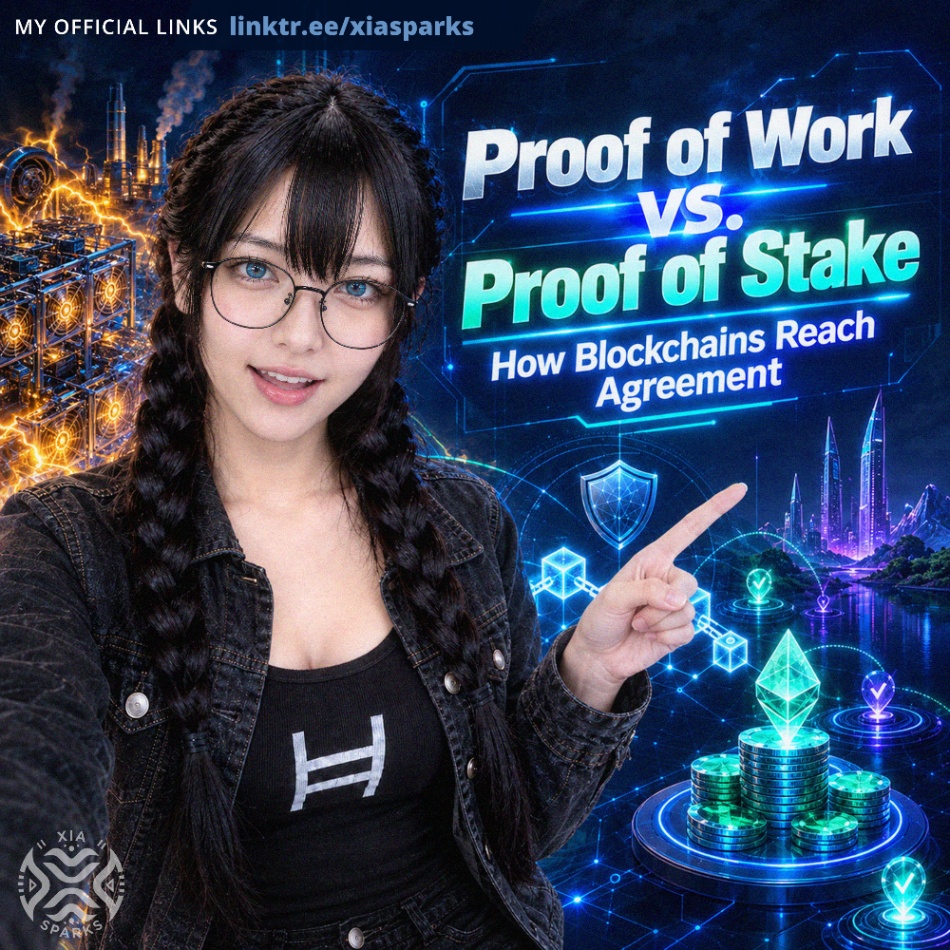
You may have heard terms like “mining,” “proof of work,” and “proof of stake.” These are systems used to validate transactions on a blockchain. Proof of Work relies on powerful computers solving complex problems, while Proof of Stake selects validators based on how much cryptocurrency they hold and are willing to lock up. Both aim to keep the network secure and trustworthy.
Web3 is also introducing new forms of organizations called DAOs (Decentralized Autonomous Organizations). These are communities governed by code and collective decision-making, rather than a central leadership. Members can vote on proposals, shaping the future of the project together.
But Web3 is not perfect.
There are still challenges like scalability, high transaction fees, security risks, and lack of regulation. Many projects are experimental, and some fail. The space is also highly volatile, meaning prices and trends can change quickly. This is why it’s important to approach Web3 with both curiosity and caution.
Despite these challenges, Web3 represents a powerful shift in how the internet works. It moves us from a system where users are the product, to one where users have ownership, control, and a share in the value they create.
So the real question is not just “What is Web3?” but “What role will you play in it?”
Will you remain just a user, or will you become an owner in the next evolution of the internet?