Helmet Bag Essentials: Choosing the Right Storage for Your Riding Gear
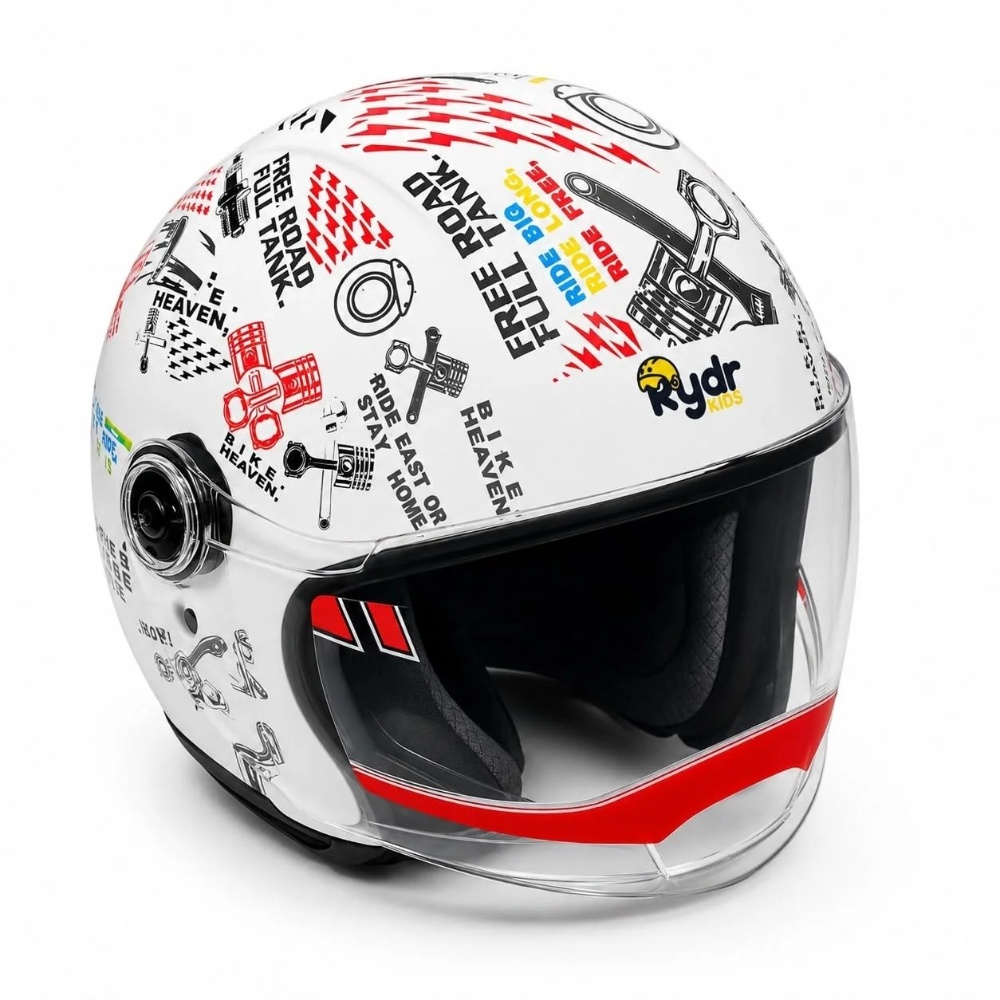
For motorcycle riders, a helmet is one of the most important pieces of riding gear. However, carrying and storing a helmet safely when you are away from your bike can sometimes be inconvenient. A good Helmet Bag provides a practical solution by giving your helmet a dedicated space while making it easier to carry other essential riding accessories.
Whether you commute to work, take weekend rides, or travel long distances on your motorcycle, choosing the right bag can help protect your helmet and make your riding routine more organized. From size and material to comfort and storage, there are several factors worth considering before buying one.
Why Do You Need a Helmet Bag?
A motorcycle helmet is designed to provide protection while riding, but it can also be awkward to carry when you are not on your bike. Carrying it by hand can become uncomfortable, particularly during longer walks or when you have other belongings with you.
A Helmet Bag gives you a dedicated way to transport and store your helmet. Instead of placing it on a dirty surface or carrying it separately, you can keep it inside a protective bag.
It can also help keep dust, dirt, and minor environmental exposure away from the helmet when it is not being worn. For regular riders, this simple accessory can make everyday commuting more convenient.
Choose the Right Size
One of the first things to consider is size. Helmets come in different shapes and sizes, so the bag should provide enough room for your specific helmet.
A bag that is too small can make inserting or removing the helmet difficult. On the other hand, an unnecessarily large bag can become bulky and inconvenient to carry.
Before purchasing, check the dimensions of your helmet and compare them with the bag's stated capacity. If you use a full-face helmet, look for a bag specifically designed to accommodate its shape.
A little additional space can also be useful if you want to carry accessories such as gloves, a balaclava, or a helmet visor cleaning cloth.
Look for Durable Materials
The material of a Helmet Bag plays an important role in its overall durability. Riders frequently carry their bags through different environments, so the fabric should be capable of handling regular use.
Strong, durable materials can help the bag maintain its shape and resist everyday wear and tear. Reinforced stitching and reliable zippers are also useful features to look for.
If you frequently ride during unpredictable weather, consider whether the material offers water resistance or some level of protection from light rain. A water-resistant exterior can provide additional convenience, although it should not automatically be considered completely waterproof unless the manufacturer specifically states so.
Check the Interior Protection
The primary purpose of the bag is to carry and store your helmet, so the interior deserves as much attention as the outside.
A soft or padded interior can help reduce the chances of scratches and scuffs while the helmet is being transported. This is particularly useful because the outer finish of a helmet can be susceptible to marks when it comes into contact with rough surfaces.
Look for a design that allows the helmet to sit securely inside the bag without excessive movement. Proper fit can make transportation more comfortable and help keep the helmet protected.
Consider the Carrying Options
Comfort is another important factor. Depending on your routine, you may carry your helmet bag for several minutes or even longer periods.
A comfortable handle can make short-distance carrying easy, while adjustable shoulder straps can be useful for commuting or travelling. Some designs may also offer backpack-style carrying options.
Think about how you normally travel. If you frequently use public transport after parking your motorcycle, a shoulder strap or backpack-style design may be particularly convenient.
Additional Storage Matters
A helmet bag does not necessarily have to carry only your helmet. Additional compartments can make it more useful for everyday riding.
Depending on the design, you may want enough space for riding gloves, a balaclava, sunglasses, a phone, keys, or small personal items.
However, avoid choosing a bag based only on the number of pockets. The compartments should be practical and positioned in a way that does not make the bag unnecessarily bulky.
Ventilation and Airflow
Ventilation can be an important feature, especially after a long ride. Helmets can accumulate moisture and sweat during use, particularly in warm weather.
A bag with ventilation features can allow some airflow and may help prevent unpleasant odours caused by trapped moisture. However, your helmet should ideally be allowed to dry properly after riding before being stored for an extended period.
If the interior of your helmet is damp, avoid immediately sealing it inside a closed bag for a long time. Proper drying and regular helmet care remain important regardless of the type of storage bag you use.
Portability for Daily Riders
A good Helmet Bag should make your routine easier rather than adding another inconvenience. Lightweight construction can be beneficial because you already have the weight of the helmet inside.
For daily commuters, a compact design that is easy to carry and store can be more useful than a large travel-oriented bag.
If you regularly ride long distances, however, additional storage and stronger construction may be more valuable. Your riding habits should therefore influence the type of bag you choose.
Security and Zipper Quality
Small details such as zippers, buckles, and straps can have a major effect on usability. A weak zipper may become frustrating after repeated use, while poor-quality straps may not hold up under the weight of a helmet.
Look for sturdy closures and properly reinforced attachment points. The helmet should remain securely inside the bag when you are walking or travelling.
If the bag includes external pockets, check whether they have secure closures as well, especially if you plan to carry small valuables.
How to Maintain Your Helmet Bag
Regular maintenance can extend the useful life of your bag. Empty the bag regularly and remove dust, dirt, and small debris that may accumulate inside.
Follow the manufacturer's cleaning instructions, particularly if the bag has padded or specialized materials. Avoid using harsh cleaning chemicals unless they are specifically recommended.
Keeping the bag dry and storing it in a clean area when not in use can also help maintain its condition.
Final Thoughts
Choosing the right Helmet Bag is about more than simply finding a container large enough for your helmet. Size, material, padding, carrying comfort, storage compartments, ventilation, and durability can all affect your experience.
For daily commuters, a lightweight and comfortable design may be the priority. Long-distance riders may prefer additional storage and stronger construction. Whatever your riding style, selecting a bag designed specifically for motorcycle helmets can make carrying and storing your gear considerably easier.
A well-designed Helmet Bag can become a useful part of your riding setup, helping you keep your helmet protected, your accessories organized, and your overall riding routine more convenient.