The Great Digital Blur

I was born in the 80's. As I sit here in early 2026, officially 40 and staring down the barrel of 41. I’ve realized that my life has been a front-row seat to the most aggressive hardware and software update in human history. When I was a kid, going online wasn’t even a phrase. If you wanted to talk to a friend, you biked to their house, looked for the pile of bikes on the lawn, and hoped their mom didn’t tell you they were busy eating dinner. Now, I’m basically a bionic organism that feels a phantom limb itch if my smartphone is in the other room.
We were promised that technology would simplify our lives, giving us more time to sit on porches and ponder the universe. Instead it moved in and changed the locks. Started charging us a monthly subscription fee for the privilege of existing. Don’t get me wrong, I’m a total tech geek. I live for the latest AI breakthroughs and own more flash drives than is probably healthy for my blood pressure. But as I get older and wiser, I can’t help but notice that the help has become a part of us. Time is the only asset we can’t buy more of, and yet we’re spending it at a lightning pace in a world that refuses to slow down.
The Era of Screeching Modems and Floppy Disks
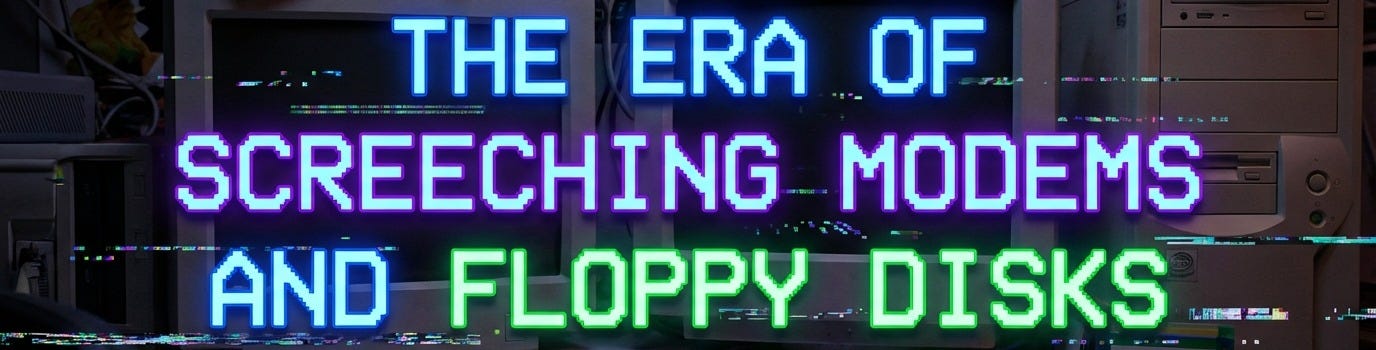
Let’s take a second to hop in a mental time machine back to the 90s. If you’re around my age, you remember the ritual. You didn’t just access the internet, you summoned it. You had to make sure nobody was expecting a phone call, then you endured that iconic, extraterrestrial screech of the 56k modem. It was a digital handshake that felt like magic. We’d wait three minutes for a single low-resolution JPEG of a car to load from top to bottom, line by agonizing line. Our cloud storage was a stack of 3.5-inch floppy disks that held a whopping 1.44 megabytes. Barely enough to hold a single high-quality selfie by today’s standards.
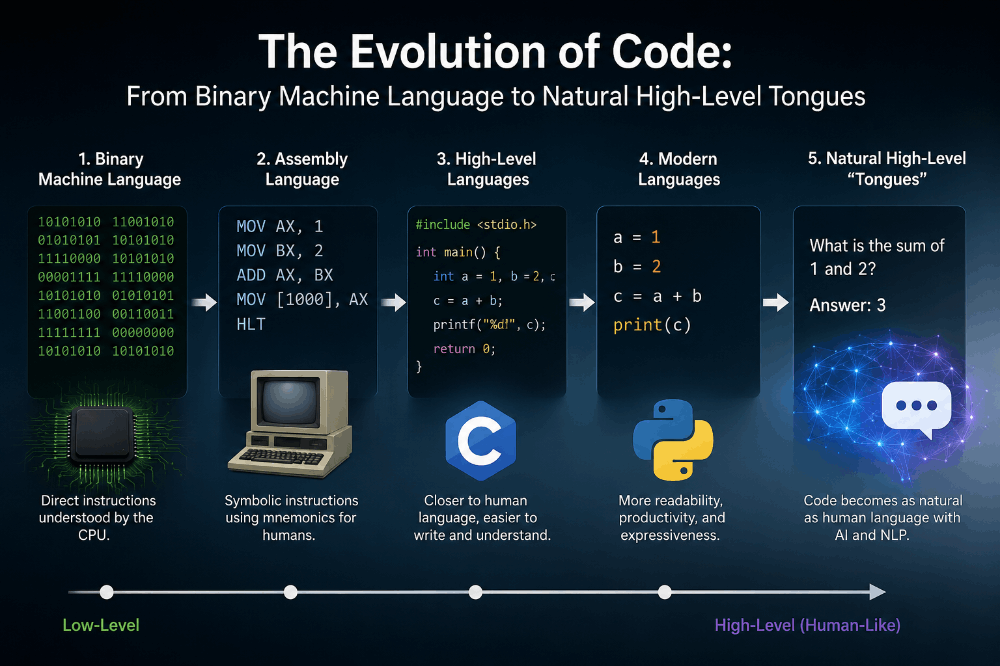
In The early 1990's, the peak of consumer tech was the Nintendo Entertainment System, and if a game didn’t work, we performed the sacred rite of blowing into the cartridge. There was something tactile and finite about tech back then. If you wanted to research a school project, you traveled to a physical building called a library and cracked open an Encyclopedia Britannica. You lived for the S volume. Today, we’ve transitioned from using tools to living within them. According to recent 2026 tech trends, nearly 98% of us use smartphones daily, but it’s no longer just a tool. It’s our bank, our doctor, and our social life squeezed into a glass rectangle. We went from the World Wide Web being a slow experiment to AI, blockchains, and payments merging into a single, self-coordinating organism by 2026.
The Law of “Wait, It’s Faster Already?”

There’s a reason everything feels like it’s moving at warp speed. It actually is. Futurist Ray Kurzweil famously spoke about the Law of Accelerating Returns. Arguing that technological change is exponential, not linear. Think about it. The jump from the horse and buggy to the car took decades. The jump from the first iPhone to AI that can pass the Bar exam took less than twenty years. In our 40-odd years, we haven’t just seen 40 years of progress. We’ve seen centuries worth of innovation compressed into a few decades. It’s like we’re on a treadmill that someone keeps bumping up a notch every time we find our rhythm.
This acceleration is hitting a fever pitch right now. By 2026, we’ve moved past the novelty of ChatGPT and entered the era of Hybrid Intelligence. This is where AI acts as a thinking partner rather than just a search engine. I used to spend hours organizing my schedule or researching a topic. Now, my AI agent does it in seconds while I’m making coffee. We’re delegating our boring tasks to machines, but we’re finding that the machines are quite happy to take over the interesting parts of being human, too. Like creating art or managing our social connections. The speed is exhilarating, but it’s also a little dizzying if you stop to think about where we’ll be by the time I’m 50.
The Magic of Being Unreachable

I’ll be honest. There’s a specific kind of nostalgia that hits me when I think about the 90s, and it’s the feeling of being completely 100% unreachable. When we were kids, we would head out after breakfast with nothing but a bike and a sense of direction. There was no GPS to correct our path, no Find My app for our parents to track our coordinates, and zero notifications to pull our eyes away from the dirt jumps we were building. If you got lost, you figured it out. If you were bored, you sat with that boredom until your brain sparked a new game to play. We were lost in the day, and that was a beautiful thing.
Compare that to 2026, where the device follows us into the bathroom, the bedroom, and even onto our wrists. We’ve gained the world’s information, but we’ve lost the quietude of a wandering mind. Even as someone who loves being connected, I realize how much mental energy it takes to manage the constant stream of data. Recent studies on digital-physical integration show that our brains are almost always in a state of partial attention. We are here, but we are also there. Checking a price on a DEX, replying to a message, or glancing at a headline. We’ve traded the freedom of being missing for the security of being monitored, and sometimes I wonder if we lost the better half of that deal.
The High Cost (and High Reward) of Convenience
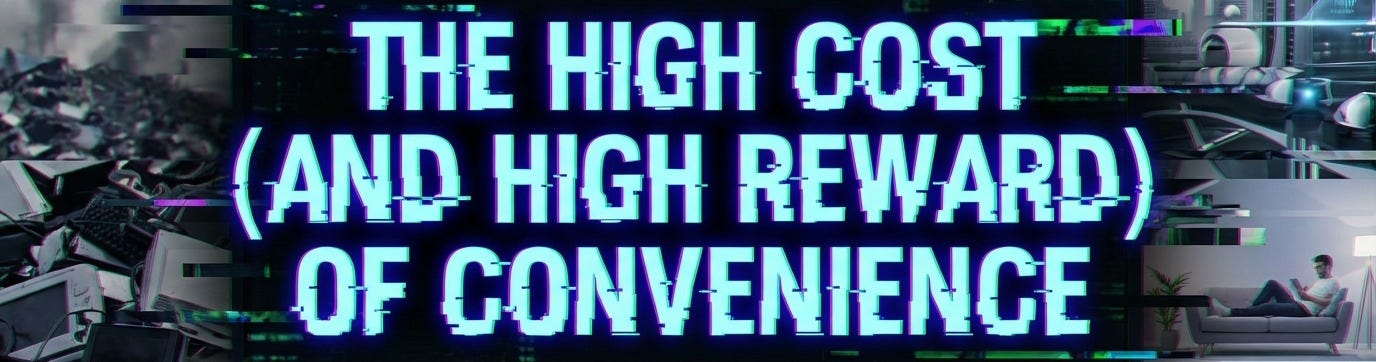
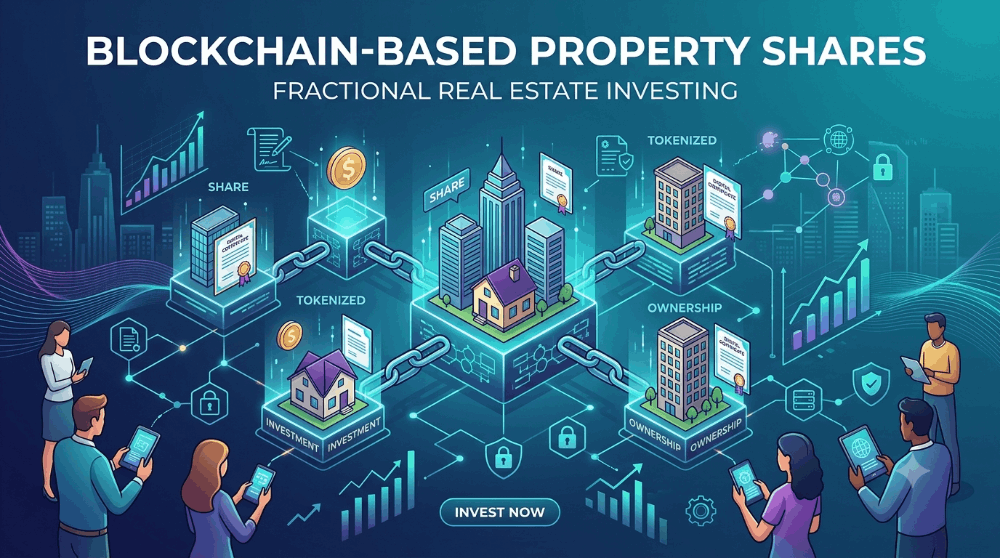
We traded simplicity for a superpower. Life used to be siloed. When you left the office, you were gone. When you went for a walk in 1995, you were just a person in the woods with your thoughts and maybe a Sony Walkman that skipped every time you stepped too hard. Now, we’re never truly offline. Even our money has become programmable and always-on. With stablecoins becoming the internet’s dollar and real-world assets being tokenized, the barrier between digital and real has completely evaporated.
The irony isn’t lost on me. I use these tools to save time, but I end up using that saved time to consume more tech. It’s a feedback loop that eats our most precious asset, attention. We’re seeing a shift where psychologists are now using phone data and wearables to track our mental health in real-time. It’s incredible for medicine sure, but it also means there is no longer a private analog version of ourselves. We are always being measured, analyzed, and optimized. I love the connection (I really do) but I also miss the days when a status update was something you only did when you bumped into a neighbor at the grocery store.
Reclaiming the Human Element in 2026
So, where does that leave us wise 40-somethings? We are the Bridge Generation. We’re old enough to remember the smell of a freshly printed ditto paper and the frustration of a scratched CD, but young enough to understand why zero-knowledge proofs and privacy-enhancing technologies are essential for our future freedom. We have a responsibility to keep one foot grounded in the physical world while we navigate the digital one. We are the last people on Earth who know what life was like before the internet, and that perspective is a superpower.
The goal shouldn’t be to reject the tech. I’m not trading my AI assistant for a stone tablet anytime soon. But to remember that technology was supposed to be the servant, not the master. As things move faster, we have to move more intentionally. Time is truly our only precious asset. Maybe that means using our 2026 tech to automate the nonsense so we can spend more time in the real world. Or realizing that just because an AI can write a heartfelt letter doesn’t mean it should. In 2026, the real disruptive tech might just be a little bit of silence, a lot of presence, and remembering that while the tech changes, our need for real human connection never does.
Thanks for reading everyone! Visit my site to learn more about me and explore what I’m building at Learn With Hatty. I hope everyone has a great day and as I always say, stay curious and keep learning.