Cold War Tech That Is Still Running

The Cold War ended in 1991, but it appears no one told the hardware.
Sometimes, technology goes obsolete quickly. The Convair B-58 Hustler was a Mach 2-capable supersonic bomber that would see just ten years in service before being retired after its high-speed bombing role would be made redundant.
While this can be an expensive proposition, it isn’t the reality for all hardware. In fact, when properly designed, some items of hardware end up doing so well in the role that they perform for far longer than their original design requirements.
The stars of today's article are all Cold War veterans from both the military and private sectors who continue to perform their jobs reliably, regardless of age.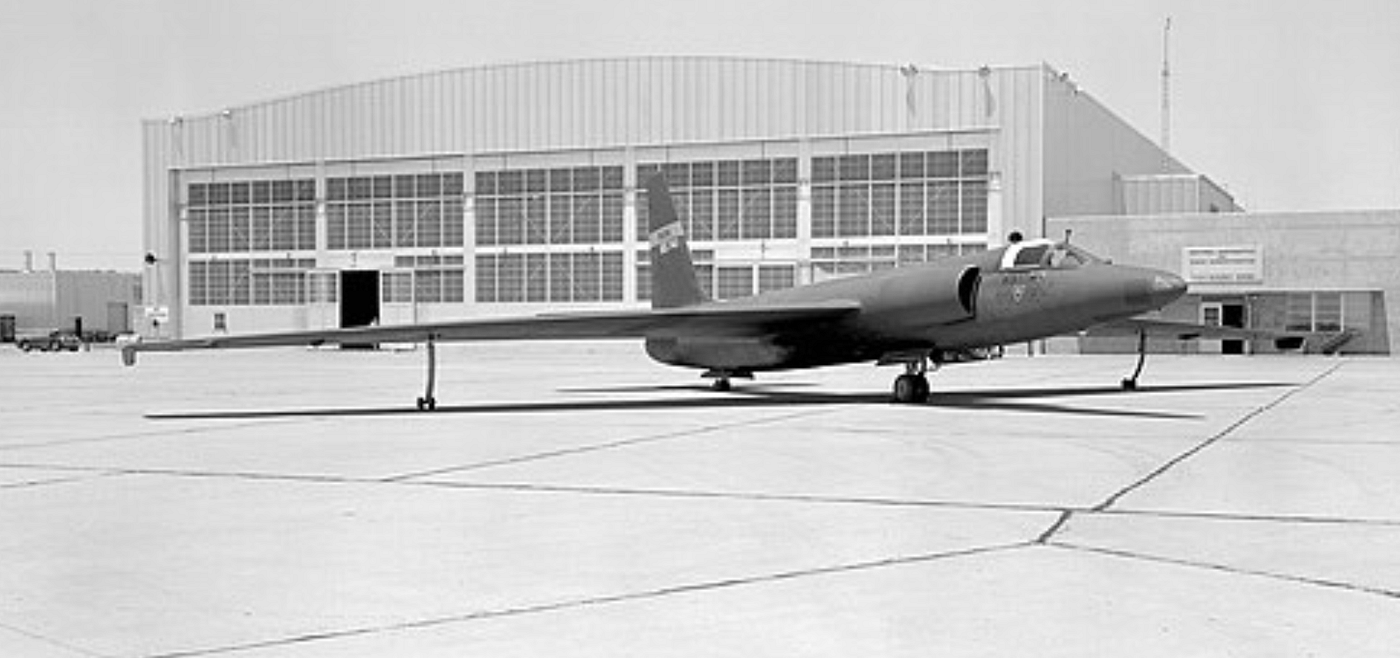
The Lockheed U-2 Spyplane
A stalwart of the surveillance world and a regular feature in our Silent Wars publication, the U-2 Dragon Lady has performed her role admirably over a career that spanned more than fifty years and would see her outlive her replacement.
Most notable for its involvement in the Gary Powers shootdown during the Cold War, the U-2 would go on to play a role in NASA, helping to chart and monitor weather and atmospheric conditions.
While her replacement, the SR-71 Blackbird, would be particularly noteworthy for her speed, the Blackbird would be retired in the mid 1990’s. The U-2 would go on to continue her career gathering intelligence at high altitude for another thirty years, carrying out most of her mission at speeds that would be barely above the aircraft's stall speed.
Her importance has diminished today thanks to the evolution of modern satellites, but there’s no denying the role she would play during the early Cold War years.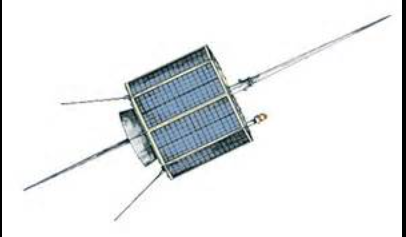
The AO-7 Satellite
In a pre-Internet world, radio links would play a vital role in connecting the globe, and early space-based communication systems would be a huge part of this. While commercial and military systems would dominate the landscape in these early years, it surprises most people to know that amateur radio clubs and operators would play a role as well.
The Radio Amateur Satellite Corporation (AMSAT) would play a key role here, launching amateur-designed systems in the space of NASA’s government launch schedule. Early systems would be simple and easy, AO-7 would be one of the first to include a fully functional radio transponder.
The satellite would play a key role in enabling communications during the Polish revolution before eventually going dark late in the Cold War. Later, a short in the spacecraft’s electrical system would see the satellite brought back to life.
While it operates erratically and requires a gentle touch, the satellite remains capable of re-broadcasting radio transmissions to this day.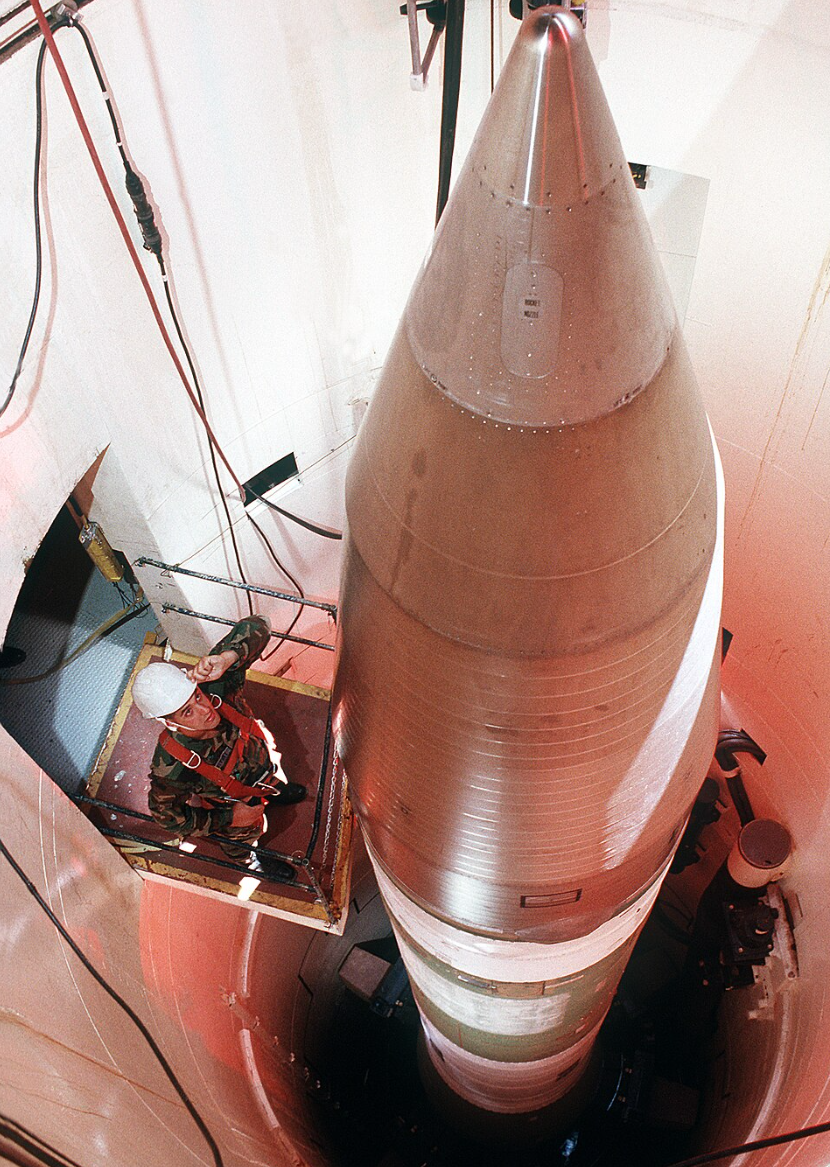
The LGM-130 Minuteman Missile
Early ballistic missiles were fragile yet cumbersome beasts that would bear little resemblance to the solid-fuelled systems we’ve grown used to seeing today. While early systems would come with much in the way of compromises, the LGM-130 Minuteman would be one of the first systems that was designed from the outset for reliable, long-term operations.
The design would be so good that the United States would build its nuclear deterrent based on the design, a role that it continues to fulfil more than three decades after the Cold War’s end.
The relentless passage of time has seen plans made for the system to be overhauled and modernised in the coming years, but like the U-2, the LGM-130 has played a key role in ensuring the security of the United States and its allies.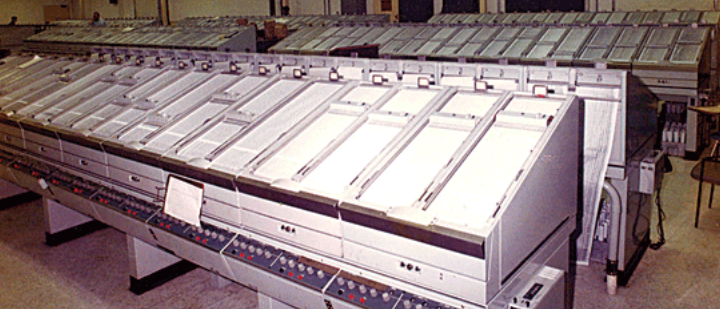
The Sound Surveillance System (SOSUS)
Designed in the aftermath of the Second World War, the SOund SUrveillance System would play a key role in the tracking of enemy ships, submarines and in some instances, aircraft.
It would do this by installing a network of hydrophones on the seafloor that would record noises within range before passing them on to a LOFARgram for charting and analysis.
The system would be extremely effective, allowing for the regular pursuit and tracking of Soviet missile and attack submarines well into their mission and ensuring that near ports, chokepoints and strategic points of interest would always be covered.
While the modern system looks a lot different to what it did in the Cold War days, SOSUS has undergone regular updates that help it remain relevant to the modern world.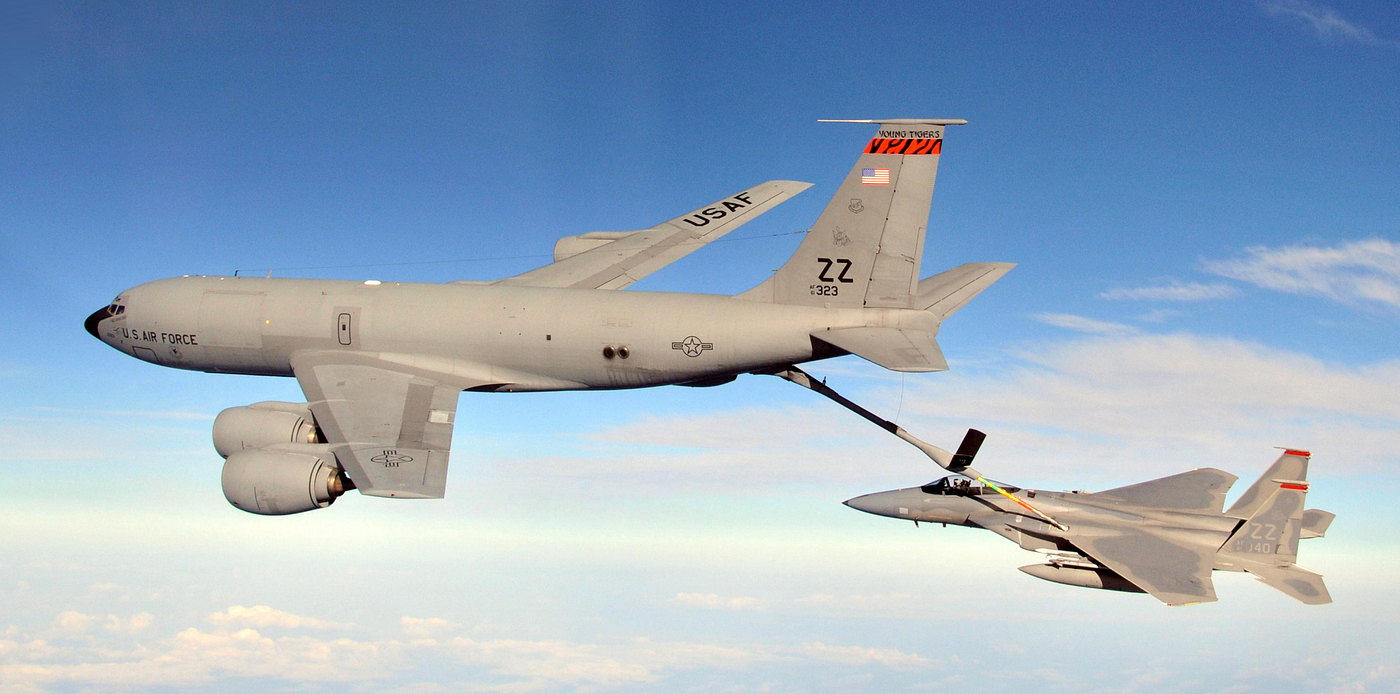
The KC-135 Stratotanker
As the saying goes, “No one kicks arse without tanker gas”, and since the jet age began, tanker pilots for the USAF have used Boeing’s KC-135 tanker to help the USAF project power across the globe.
While the design is dated, modern upgrades for the engines, flight deck and electronics have helped to ensure that the tanker fleet can continue to fulfill it’s role.
1960s-era jets are most certainly not going to win awards for comfort, range or fuel economy, but the KC-135 has done its job so well that it’s outlived at least one modern replacement during its long-term survival.
The Pacific theatre has seen a new emphasis on range, which means that new tanker assets are now on the cards. However, until these designs reach an operational status along with the ability to deploy in numbers, the Stratotanker will keep on, keeping on.
The Boeing B-52 Stratofortress
Probably the most legendary of the Cold Warriors that we looked at in this article, Boeing’s B-52 Stratofortress has moved from a short-term stopgap role to a key player in the US’s bomber fleet.
It isn’t the fastest. It is by no means stealthy. And it sure as heck isn’t around for its handling. What it is, though, is a long-range bomber platform that provides a cheap and cheerful way to get missiles in the air, a key attribute for a modern missile war.
Like the KC-135, the Stratofortress would be notable for its sheer longevity with regard to other platforms. With the B-1 scheduled for retirement soon and the B-2 fast approaching in the coming years, the B-52 will continue to play its role as a cheap and affordable missile truck.
The B-52 is particularly noteworthy for its record of being flown by 3 generations of pilots during a service career lasting more than 70 years.
Investigator515 explores the RF spectrum, cybersecurity, and the hidden tech behind modern espionage.
Follow for new content weekly
Bluesky • X • Substack
You might also like,
- OSINT Investigators Guide to Self Care & Resilience
- Spies In The Mud: The RF-111 Aardvark
- What The Tech?! Space Shuttles