How Do On-Chain Tokenization Services Help Businesses Launch Digital Assets?

The rise of blockchain technology has reshaped how businesses create, manage, and distribute value. One of the most transformative developments in this space is on-chain tokenization the process of issuing digital representations of real-world or native blockchain assets directly on a blockchain network. On-chain tokenization services simplify this entire process, enabling businesses to launch digital assets without building complex blockchain infrastructure from scratch.
These services are becoming a foundational layer of Web3 finance, powering everything from asset-backed tokens and stablecoins to real estate shares, equity instruments, and utility tokens. By combining smart contracts, compliance frameworks, and decentralized networks, on-chain tokenization platforms allow organizations to bring assets onto blockchain ecosystems with speed, transparency, and scalability.
Understanding On-Chain Tokenization
On-chain tokenization refers to the creation and management of digital assets directly on a blockchain network using smart contracts. Each token represents a unit of value, ownership, or access rights tied to an underlying asset or system. Unlike off-chain or hybrid systems, on-chain tokenization ensures that asset logic, transfers, and records are fully executed and stored on-chain.
Blockchains like Ethereum, Solana, and Polygon provide the foundational infrastructure for these tokenized systems. Each offers unique advantages in terms of scalability, transaction cost, and ecosystem support, allowing businesses to choose networks that align with their asset strategy.
At its core, on chain tokenization transforms traditionally illiquid or centralized assets into programmable, divisible, and transferable digital units that can operate within decentralized ecosystems.
What Are On-Chain Tokenization Services?
On-chain tokenization services are end-to-end platforms that help businesses design, issue, manage, and distribute blockchain-based tokens. Instead of requiring deep technical blockchain expertise, businesses can use these services to handle the entire lifecycle of digital asset creation.
These platforms typically include:
- Smart contract development and deployment
- Token standard selection (ERC-20, ERC-721, ERC-1155, etc.)
- Compliance and identity verification tools
- Wallet integration and custody solutions
- Secondary market connectivity
- Analytics and reporting dashboards
By abstracting away technical complexity, these services allow businesses to focus on asset strategy and market growth rather than infrastructure development.
How On-Chain Tokenization Services Enable Digital Asset Launches
1. Simplifying Blockchain Infrastructure Setup
One of the biggest barriers for businesses entering Web3 is infrastructure complexity. Setting up nodes, smart contract environments, and security layers requires advanced blockchain expertise. On-chain tokenization services eliminate this barrier by offering ready-to-deploy frameworks.
These platforms provide pre-built blockchain modules that integrate directly with networks like Ethereum and Polygon, allowing businesses to deploy token contracts within hours or days instead of months.
2. Smart Contract Automation and Asset Logic
Smart contracts are the backbone of tokenized ecosystems. They define how tokens are created, transferred, burned, and governed. On-chain tokenization services provide standardized and customizable smart contract templates that ensure reliability and security.
For example, a real estate-backed token might include logic for rent distribution, fractional ownership, and investor payouts, while a utility token may include staking or governance features.
By using audited smart contract frameworks, businesses reduce the risk of vulnerabilities and ensure predictable execution of asset rules.
3. Enabling Fractional Ownership of Real Assets
One of the most powerful applications of on-chain tokenization is fractional ownership. High-value assets such as real estate, commodities, or private equity can be divided into smaller digital units, making them accessible to a broader investor base.
Tokenization services handle the logic behind fractionalization, ensuring that ownership rights are accurately recorded and enforceable on-chain. This democratizes access to investment opportunities that were previously limited to institutional investors.
For instance, a commercial property can be divided into thousands of tokens, each representing a share of ownership and associated returns.
4. Built-In Compliance and Regulatory Controls
Regulatory compliance is one of the most critical aspects of launching digital assets. On-chain tokenization services integrate compliance frameworks directly into the token lifecycle.
These include:
- Know Your Customer (KYC) verification
- Anti-Money Laundering (AML) screening
- Jurisdiction-based transfer restrictions
- Investor accreditation checks
By embedding compliance at the smart contract level, businesses ensure that only eligible participants can interact with tokenized assets. This reduces legal risks and increases institutional adoption.
5. Liquidity Enablement Through Secondary Markets
Tokenized assets gain value when they can be easily traded. On-chain tokenization services often integrate with decentralized exchanges and liquidity pools to enable secondary market trading.
This liquidity layer allows investors to buy and sell tokens without relying on traditional intermediaries. It also enhances price discovery and market efficiency.
Ecosystems like Polygon have become popular for such use cases due to their low transaction costs and fast settlement times, making them ideal for high-frequency asset trading.
6. Interoperability Across Blockchain Networks
Modern tokenization strategies often require interoperability between multiple blockchain networks. On-chain tokenization services enable cross-chain compatibility, allowing assets to move between ecosystems.
For example, a token issued on Ethereum may be bridged to other Layer-2 networks or sidechains for improved scalability. This flexibility ensures that businesses are not locked into a single blockchain ecosystem and can expand their reach across Web3 platforms.
7. Asset Management and Real-Time Transparency
On-chain tokenization services provide dashboards and analytics tools that allow businesses to track asset performance in real time. This includes:
- Token distribution metrics
- Investor participation
- Transaction history
- Asset valuation updates
Because blockchain data is immutable and transparent, businesses and investors can verify asset activity without relying on third-party audits. This increases trust and reduces administrative overhead.
8. Enhancing Investor Access and Global Participation
Traditional financial systems often limit investment opportunities based on geography, wealth, or institutional access. On-chain tokenization removes these barriers by enabling global participation.
With tokenized assets, investors from anywhere in the world can participate in offerings, provided they meet compliance requirements. This expands the investor base significantly and improves capital formation for businesses.
On-chain tokenization services manage onboarding, wallet creation, and asset distribution, making global participation seamless and efficient.
9. Security and Asset Integrity
Security is a critical component of digital asset issuance. On-chain tokenization platforms use multiple layers of protection, including:
- Smart contract audits
- Multi-signature wallets
- Encryption protocols
- Decentralized storage mechanisms
Because transactions are recorded on immutable ledgers, tampering or unauthorized changes become extremely difficult. This enhances trust in tokenized systems and protects both issuers and investors.
10. Reducing Time-to-Market for Digital Assets
Developing a tokenization system from scratch can take months of development, testing, and compliance integration. On-chain tokenization services significantly reduce this timeline by offering pre-built infrastructure.
Businesses can launch tokens rapidly, test market demand, and iterate based on user feedback. This agility is especially important in fast-moving sectors like DeFi, real-world asset tokenization, and digital securities.
Use Cases of On-Chain Tokenization Services
Real Estate Tokenization
Properties can be tokenized into fractional units, allowing investors to buy shares of residential or commercial assets. Smart contracts manage rent distribution and ownership records automatically.
Equity and Startup Financing
Startups can issue tokenized equity to raise capital from global investors. This simplifies fundraising and enhances liquidity for early stakeholders.
Commodity Backing
Gold, oil, and other commodities can be tokenized to enable digital trading and fractional ownership. This increases accessibility and reduces settlement friction.
Intellectual Property and Royalties
Music rights, patents, and digital content can be tokenized, allowing creators to monetize intellectual property through automated royalty distribution.
Challenges in On-Chain Tokenization Adoption
Despite its benefits, businesses face several challenges when adopting on-chain tokenization services:
- Regulatory uncertainty across jurisdictions
- Integration with legacy financial systems
- Smart contract vulnerabilities if not properly audited
- Market volatility affecting token value
- User education and onboarding complexity
Addressing these challenges requires collaboration between blockchain developers, legal experts, and financial institutions.
The Future of On-Chain Tokenization Services
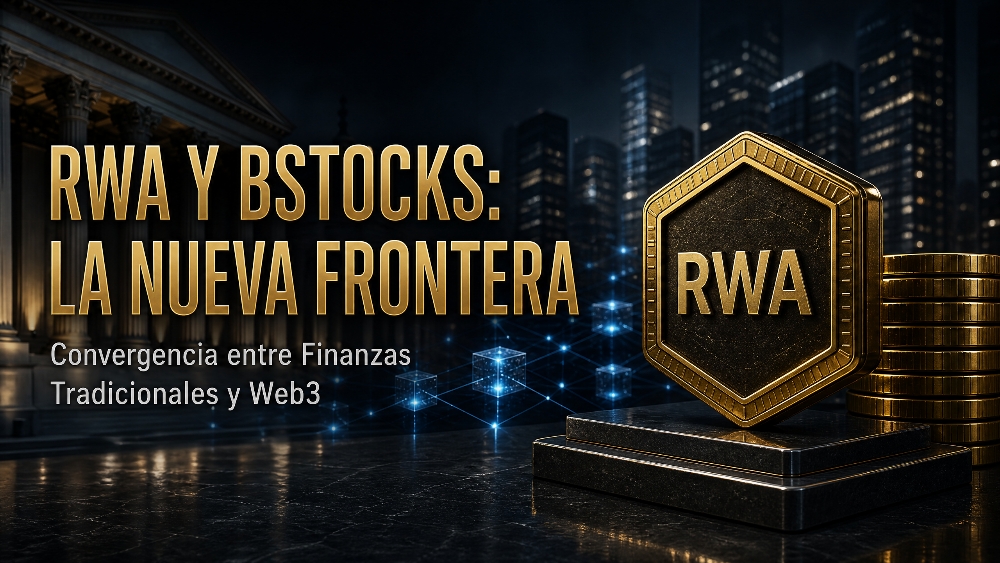
The future of on-chain tokenization is closely tied to the evolution of decentralized finance and real-world asset integration. As blockchain networks mature, tokenization services will become more automated, interoperable, and regulatory-compliant.
Emerging trends include:
- AI-driven compliance monitoring
- Cross-chain asset liquidity networks
- Institutional-grade tokenization frameworks
- Integration with central bank digital currencies (CBDCs)
- Fully decentralized asset marketplaces
As ecosystems like Ethereum continue to evolve, on-chain tokenization will become a standard method for issuing and managing digital assets globally.
Conclusion
On-chain tokenization services play a critical role in helping businesses transition from traditional asset systems to blockchain-powered digital economies. By simplifying infrastructure, automating smart contracts, ensuring compliance, and enabling global liquidity, these platforms make it possible for organizations to launch digital assets efficiently and securely.
From real estate and equity to commodities and intellectual property, tokenization is reshaping how value is created and exchanged. As adoption grows, on-chain tokenization services will become a cornerstone of modern financial infrastructure, enabling a more accessible, transparent, and interconnected global economy.