How Does Real-World Asset Tokenization Turn Physical Assets into Digital Wealth?

The financial ecosystem is undergoing a dramatic transformation, driven by blockchain technology and digital innovation. One of the most transformative trends reshaping asset ownership and investment is real-world asset (RWA) tokenization. This process enables physical assets ranging from real estate, commodities, and machinery to intellectual property to be converted into digital tokens that can be traded, invested in, or leveraged in decentralized finance ecosystems. Through tokenization, previously illiquid and static assets can become dynamic sources of wealth, creating new investment opportunities for individuals, businesses, and institutions alike.
For asset owners and investors, tokenization represents more than just a technical innovation it is a gateway to digital wealth creation, liquidity, fractional investment, and global access. By bridging tangible physical assets and blockchain-based digital finance, RWA tokenization is redefining the concept of asset ownership and democratizing access to markets that were historically exclusive. In this article, we explore how real-world asset tokenization works, its mechanisms, advantages, use cases, challenges, and its long-term impact on wealth creation.
What is Real-World Asset Tokenization?
Real-world asset tokenization is the process of creating digital representations of physical assets on a blockchain. Each digital token represents ownership or a fractional claim on the underlying asset, enabling the asset to be bought, sold, or used as collateral digitally. Unlike traditional ownership models, which often rely on legal paperwork, intermediaries, and static records, tokenized assets are tracked and managed on decentralized networks, leveraging smart contracts to automate ownership, transfers, and revenue distribution.
Tokenization effectively transforms illiquid assets into programmable, liquid, and tradable digital instruments. Investors can acquire tokens representing fractional ownership of high-value assets such as commercial properties, valuable artworks, or industrial equipment, while owners can unlock liquidity and raise funds efficiently. Tokenization also enables transparent and auditable records of ownership, fostering trust between investors and asset owners.
The Traditional Limitations of Physical Asset Ownership
Physical assets, while valuable, are often illiquid and challenging to monetize. Consider the following traditional scenarios:
- Real estate investments require high upfront capital and involve lengthy processes for buying, selling, or transferring ownership. Investors cannot easily access a portion of a property without engaging in complex co-ownership agreements.
- Art and collectibles may hold significant value, but selling them often requires auctions or private sales, which are infrequent and illiquid. Owners cannot easily monetize their assets without significant transaction costs.
- Industrial machinery or equipment may be essential for SMEs, but using them as collateral for loans or selling portions of the asset is cumbersome and restricted to specific financial institutions.
These limitations restrict access to capital, prevent asset owners from fully leveraging their holdings, and make it difficult for smaller investors to participate in high-value markets. Tokenization addresses these constraints by creating fractional, tradable digital representations of physical assets, effectively converting them into digital wealth.
How Real-World Asset Tokenization Works
Tokenizing a physical asset involves a structured process, combining legal, technical, and financial steps:
1. Asset Identification and Valuation
The process begins with identifying the asset and conducting a rigorous valuation. Accurate valuation ensures that digital tokens correspond to the asset’s real-world value, instilling confidence among investors. For instance:
- A commercial building is appraised by certified property valuers.
- Industrial equipment is evaluated for its resale and operational value.
- Intellectual property, such as patents or royalties, is assessed for expected future revenue.
This valuation step is essential to back the digital tokens with verifiable value, laying the foundation for investor trust.
2. Legal Structuring and Compliance
Before issuing tokens, the asset must be legally structured to enable fractional ownership. This often involves creating a special purpose vehicle (SPV) or legal entity that holds the asset. Legal structuring ensures that token holders have enforceable rights over the underlying asset. Compliance with regulations such as securities laws, property laws, and anti-money laundering (AML) standards is critical. For instance, a token representing a fraction of a property might legally entitle investors to proportional rental income or resale rights.
Legal compliance ensures that the tokenization process is not only technologically robust but also legally enforceable, a key factor in institutional adoption.
3. Token Creation and Blockchain Integration
The next step involves issuing digital tokens on a blockchain platform. Each token represents a fraction of the asset and is linked to smart contracts that govern ownership rules, transfer conditions, revenue distribution, and voting rights if applicable. Blockchain provides:
- Transparency: Every transaction is recorded on an immutable ledger.
- Security: Tokens cannot be duplicated or tampered with.
- Automation: Smart contracts can automate rent, royalty, or dividend distribution.
This stage converts the tangible asset into a digital, programmable form, creating the foundation for liquidity and wealth generation.
4. Custody and Verification
Tokenization requires secure custody of the underlying physical asset. For real estate, this may involve registering ownership with government authorities. For commodities or machinery, third-party verification and storage may be necessary. Custodians ensure that each token accurately represents a portion of the real asset, maintaining trust in the system.
5. Access to Markets and Trading
Once tokens are issued, they can be offered to investors through digital platforms, marketplaces, or exchanges. Fractional ownership allows a wider range of investors, including retail and international participants, to invest in assets that were previously inaccessible. Tokens can also be traded on secondary markets, providing liquidity and enabling investors to monetize their holdings before the full asset is sold. This transformation of physical assets into tradable digital wealth is at the core of RWA tokenization.
Turning Physical Assets into Digital Wealth
Tokenization converts physical assets into digital wealth through several mechanisms:
1. Fractional Ownership for Broader Investment
Fractional ownership allows multiple investors to hold small portions of high-value assets. Real estate, fine art, or industrial equipment, which previously required large capital investments, can now be divided into digital tokens. Retail investors, SMEs, and global participants can purchase these tokens, participating in markets that were once exclusive to wealthy individuals or institutions.
2. Unlocking Liquidity from Illiquid Assets
Physical assets are often locked in illiquid forms, meaning owners cannot easily sell or leverage them. Tokenization enables the creation of liquid markets for previously illiquid assets. Investors can buy and sell tokens on secondary markets, providing exit opportunities and converting dormant physical holdings into active digital wealth.
3. Revenue Generation and Yield
Tokenized assets can generate ongoing income streams. For example:
- Tokenized real estate can distribute rental income directly to token holders.
- Machinery or industrial equipment can generate revenue through leasing or operational usage.
- Intellectual property or patents can produce royalties distributed to investors via smart contracts.
By digitizing revenue streams, tokenized assets allow holders to benefit from predictable income and capital appreciation simultaneously.
4. Portfolio Diversification and Risk Management
Tokenization allows investors to diversify across asset classes with minimal capital. A single investor could hold fractions of multiple tokenized assets—real estate, commodities, or IP—reducing exposure to individual asset risks. Moreover, the global nature of tokenized markets enables diversification across geographies, sectors, and asset types, which was difficult to achieve with traditional investment methods.
5. Transparency and Trust Through Blockchain
Blockchain technology provides immutable records for all tokenized transactions. Investors can verify ownership, track historical performance, and ensure that each token corresponds to a tangible asset. This transparency builds confidence in the digital asset ecosystem and facilitates broader adoption of tokenized wealth instruments.
Practical Use Cases
Real-world asset tokenization is gaining traction across multiple sectors:
Real Estate
Tokenized real estate allows fractional ownership of residential, commercial, or industrial properties. Investors can earn rental income and participate in capital appreciation without managing physical properties. This model also enables property developers to raise funds efficiently and globally.
Art and Collectibles
High-value art and collectibles can be tokenized, providing liquidity and fractional investment opportunities. Investors can buy tokens representing shares in rare paintings, sculptures, or limited-edition collectibles, participating in the art market without needing to purchase entire pieces.
Commodities
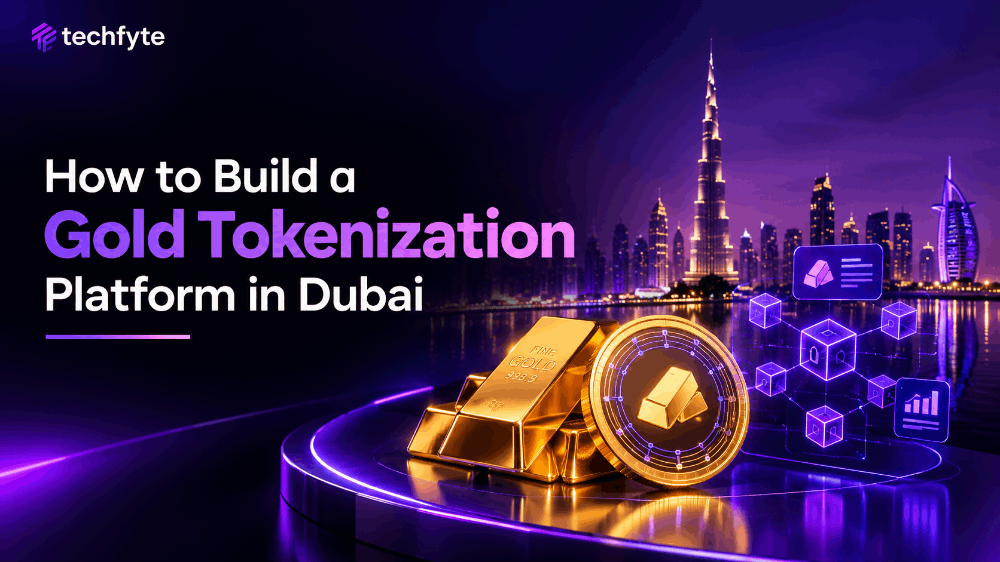
Gold, oil, or other commodities can be tokenized, allowing investors to hold and trade digital representations of physical assets without storage or logistical concerns. Tokenized commodities can be easily integrated into digital financial products such as ETFs or lending instruments.
Intellectual Property
Music rights, patents, and trademarks can be tokenized, enabling creators to monetize their IP efficiently. Investors gain exposure to revenue streams from royalties or licensing fees, creating a new class of digital wealth derived from intellectual assets.
SME Asset Financing
Small and medium-sized enterprises can tokenize machinery, equipment, or inventory to raise funds, access working capital, or provide collateral for loans. Tokenization enables SMEs to unlock asset value while attracting a diverse pool of investors.
Advantages of RWA Tokenization
- Global Capital Access: Tokenized assets can be offered to investors worldwide, expanding funding opportunities.
- Fractional Investment: High-value assets become accessible to smaller investors.
- Liquidity: Secondary markets allow investors to trade tokens, converting physical assets into digital wealth.
- Automated Revenue Distribution: Smart contracts enable transparent and timely profit-sharing.
- Portfolio Diversification: Investors can easily diversify across asset classes.
- Security and Transparency: Blockchain ensures immutability and traceability of ownership.
Challenges and Considerations
Despite its potential, tokenization also faces challenges:
- Regulatory Compliance: Tokenized assets may be classified as securities, requiring adherence to local and international laws.
- Technical Expertise: Creating secure and compliant tokenized systems requires specialized knowledge.
- Market Adoption: Awareness, education, and trust are necessary for broader investor participation.
- Custody Verification: Ensuring tokens correspond accurately to physical assets is critical.
The Future of Tokenized Wealth
As blockchain technology matures and regulations clarify, RWA tokenization is expected to become mainstream. Physical assets such as real estate, commodities, art, and intellectual property will increasingly be converted into digital wealth, unlocking liquidity, fractional ownership, and global investment opportunities. Tokenized assets may also integrate with emerging decentralized finance (DeFi) ecosystems, enabling lending, staking, and programmable revenue sharing, further enhancing wealth creation potential.
For investors, tokenization offers access to previously inaccessible markets, transparent investment mechanisms, and new revenue streams. For asset owners, it provides a way to unlock dormant value, raise capital efficiently, and engage a broader investor base.
In essence, tokenization transforms static, illiquid physical assets into dynamic, tradable digital wealth, paving the way for a more inclusive, transparent, and efficient global financial ecosystem.
Conclusion
Real-world asset tokenization is revolutionizing the way physical assets are owned, monetized, and traded. By converting tangible assets into digital tokens, it enables fractional ownership, liquidity, revenue generation, and global investment access, effectively turning physical holdings into digital wealth. Tokenization bridges the gap between traditional assets and modern financial systems, providing benefits to both investors and asset owners.
As adoption increases and regulatory frameworks evolve, tokenized assets are likely to become an integral part of wealth creation strategies, unlocking opportunities for individuals, SMEs, and institutions alike. Physical assets that once lay dormant can now actively generate income, attract investors, and participate in a new era of digital financial markets. Tokenization is not merely a technological innovation—it is a strategic shift, redefining how value is stored, transferred, and grown in the digital age.