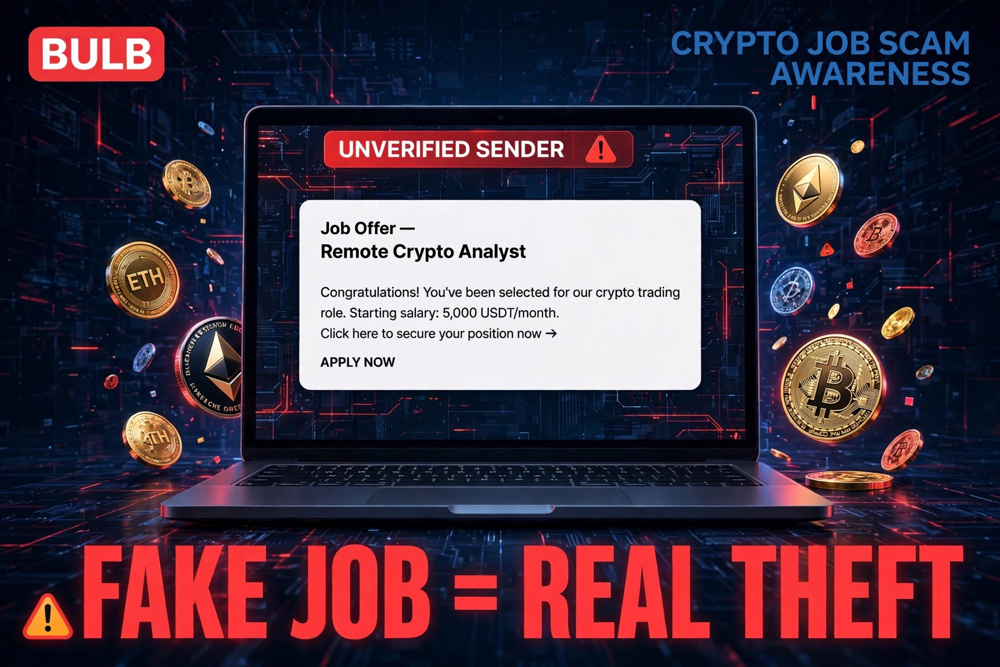
Crypto wallet drainers are one of the most dangerous and prevalent threats in the cryptocurrency space today. These malicious tools—often scripts, smart contracts, or phishing setups—trick users into approving transactions or permissions that allow attackers to siphon funds directly from the wallet, sometimes in seconds. In 2025, while total losses from drainer-related phishing dropped significantly compared to previous peaks, sophisticated variants (like those exploiting Permit signatures, EIP-7702, unlimited approvals, and social engineering) remain active and effective against careless users. The good news? Most drainers rely on user error or oversight rather than zero-day exploits. With disciplined habits, you can reduce your risk dramatically.
What Are Wallet Drainers and How Do They Work?
Wallet drainers typically operate through:
- Phishing sites or fake dApps mimicking legitimate projects (e.g., NFT mints, airdrops, DeFi platforms). - Tricking you into connecting your wallet and signing a transaction that grants broad permissions (like **approve** or setApprovalForAll for tokens/NFTs). - Exploiting lingering token approvals from past interactions to drain assets silently later. - Malware (e.g., clipboard hijackers, memory scrapers, or fake extensions) that intercepts keys or alters addresses. - Social engineering via compromised X/Twitter accounts, Discord, fake giveaways, or deepfake promotions.
Once approved, the drainer transfers your most valuable assets to the attacker's address—often automated and irreversible on-chain.
Essential Security Practices to Protect Against Drainers
Here’s a practical, up-to-date checklist based on 2025 best practices:
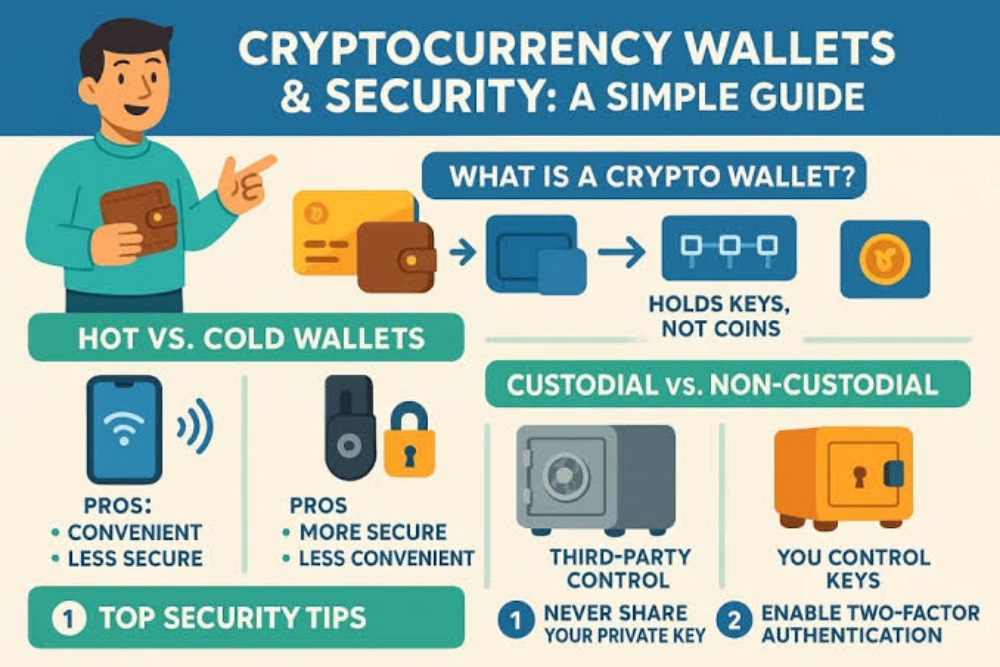
1. Use Hardware (Cold) Wallets for Significant Holdings
Keep the majority of your assets in offline hardware wallets (e.g., Ledger, Trezor, Tangem, OneKey). Private keys never leave the device, and transactions require physical confirmation. Only use "hot" software wallets (MetaMask, Trust Wallet, etc.) for small amounts needed for daily DeFi/NFT activity. Malware and remote drainers can't touch cold storage.
2. Segregate Your Assets – Never Keep Everything in One Wallet
Create multiple wallets: - One "daily driver" hot wallet with limited funds (e.g., 5-10% of portfolio). - Separate cold wallets for long-term holdings. - Use a dedicated "testing" or low-value wallet when interacting with new dApps. If one gets compromised, losses stay contained.
3. Revoke Unused Token Approvals Regularly
This is the #1 defense against many drainers. Unlimited or forgotten approvals from past dApp interactions are gold for attackers. Use free tools like: - Etherscan / Revoke.cash - DeBank - Trust Wallet Security Scanner - For Solana: Solana.fm or similar auditors Make it routine—check and revoke every few weeks or after using new protocols.
4. Be Extremely Careful with Wallet Connections and Signatures
- Never connect to unknown or hype-driven sites (especially "free mints," airdrops, or urgent claims). - Always verify the URL manually—type it yourself or use bookmarks. Avoid sponsored search results or shared links. - Read every transaction detail before signing. Watch for: - Unlimited approvals - "setApprovalForAll" for NFTs - Strange contract interactions - Permit/Permit2 signatures that bundle dangerous actions - Use simulation tools (e.g., some wallets or browser extensions) to preview what a signature actually does.
5. Never Share Sensitive Information
- Never enter your seed phrase, private key, or password on any website or app. - Legitimate projects never ask for them. - Store seed phrases offline (metal backups, safe deposit, etc.)—never digitally.
6. Enable and Layer Additional Security
- Use strong, unique passwords + 2FA/MFA (preferably app-based like Authy, not SMS). - Keep wallet software, browser, and OS fully updated. - Avoid public Wi-Fi for crypto actions; use a reputable VPN if needed. - Consider transaction simulation extensions or security-focused wallets.
7. Stay Informed and Skeptical
- Follow reputable security sources (e.g., CertiK, PeckShield, Chainabuse). - Treat anything promising "free crypto" or "double your money" as a scam. - If something feels off—pause, research, or walk away.
Quick-Reference Protection Checklist
- [ ] Main holdings → Hardware wallet (cold storage) - [ ] Daily hot wallet → Small balance only - [ ] Revoke approvals monthly (Revoke.cash / Etherscan) - [ ] Verify every URL and signature carefully - [ ] Never share seed/private keys - [ ] Use 2FA + updated software - [ ] Test new dApps with burner/low-value wallets
Implementing these steps turns you from an easy target into one of the hardest wallets to drain. Crypto security is mostly about behavior—not luck.
Stay vigilant out there—your assets depend on it. If you've ever been hit by a drainer or have questions about specific tools, drop a comment below!