How Web3 Is Maximizing AI More Than Web2

Artificial intelligence is one of the most powerful technologies of our time, but the way it is being developed and deployed differs greatly depending on the structure of the internet it operates within.
Web2, the current version of the internet dominated by centralized platforms, has played a major role in advancing AI. However, Web3 is emerging as a new paradigm that is unlocking even greater potential for AI by changing how data, ownership, and incentives work.
In Web2, AI thrives on data, but that data is largely controlled by a handful of big companies. These platforms collect massive amounts of user information and use it to train their models, improve services, and drive profits.
While this has led to impressive advancements, it also creates limitations. Access to high quality data is restricted, transparency is low, and users rarely benefit directly from the value their data creates.
Web3 introduces a decentralized approach that shifts control away from centralized entities and back to individuals. This fundamental change is what allows AI to reach new heights.
In a Web3 environment, data can be owned, shared, and monetized by users themselves. This creates a more open and diverse data ecosystem, which is essential for building smarter and more inclusive AI systems.
One of the key advantages of Web3 for AI is the concept of permissionless access. Developers and researchers are no longer limited by corporate gatekeeping. They can tap into decentralized data sources, collaborate across borders, and build models in a more open environment.
This accelerates innovation and allows smaller players to compete with large organizations.
Another important factor is transparency. In Web2, AI systems often operate as black boxes, making decisions without clear explanations.
Web3 technologies such as blockchain introduce verifiable and auditable systems. This means AI models and their outputs can be tracked, validated, and trusted more easily. Trust is critical as AI becomes more integrated into sensitive areas like finance, healthcare, and governance.
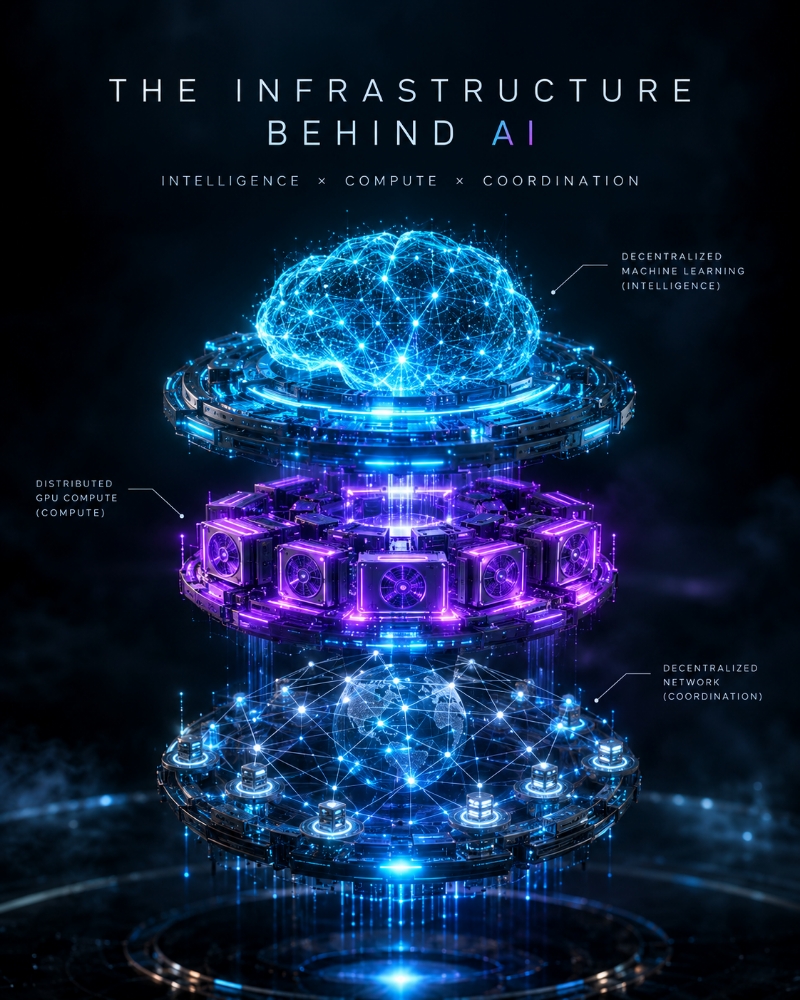
Incentives also play a major role. Web3 uses token based economies to reward participation. People can contribute data, computing power, or expertise and receive value in return. This creates a self sustaining ecosystem where AI development is not limited to corporations but supported by a global network of contributors.
As a result, innovation becomes more distributed and dynamic.
Privacy is another area where Web3 enhances AI. Instead of handing over personal data to centralized platforms, users can maintain control while still contributing to AI systems through techniques like secure computation and decentralized storage. This allows AI to learn and improve without
compromising individual privacy.
Web3 also enables new types of AI applications that are not possible in Web2. Decentralized autonomous systems can use AI to make decisions collectively, without relying on a central authority.
These systems can manage resources, govern communities, and adapt in real time, opening up entirely new possibilities for how technology interacts with society.
While Web2 laid the foundation for modern AI, it is Web3 that is pushing its boundaries further. By decentralizing data, aligning incentives, and increasing transparency, Web3 creates an environment where AI can grow more fairly and more efficiently.
The future of AI will not be defined by one model or one company. It will be shaped by ecosystems that encourage collaboration, openness, and shared value.
Web3 is leading the way in building that future, making AI not just more powerful, but more accessible and more equitable distributedfor everyone.