I Fired Myself: Transitioning from Manual Grinding to AI Agents. Part 4: Field Testing

Launching an autonomous AI swarm is not the end; it is the beginning of a brutal engineering war. The "agent" theory is elegant in documentation, but the reality of offerwalls is a hostile environment designed to neutralize automation. This Field Test was the Syndicate’s ultimate proof of viability.
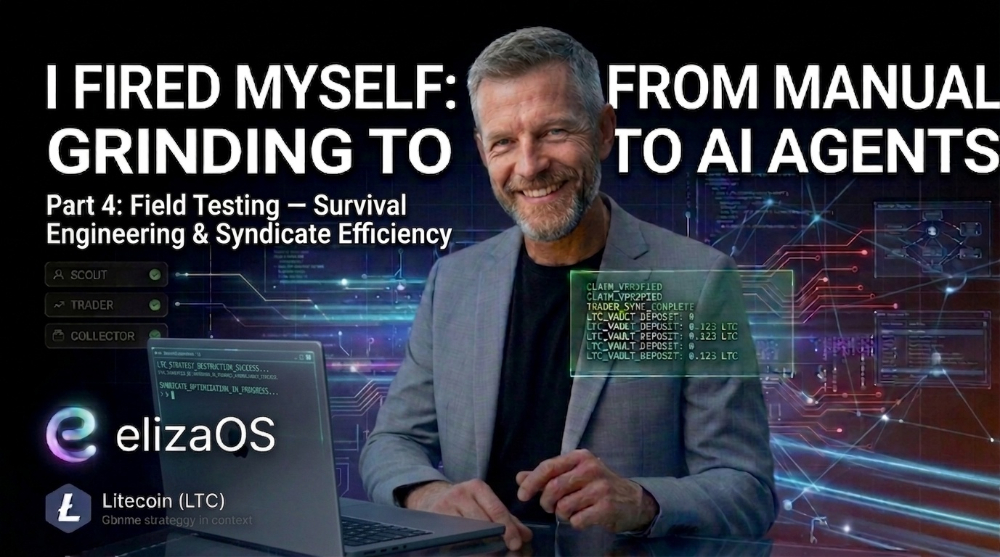
Phase 1: Colliding with Chaos
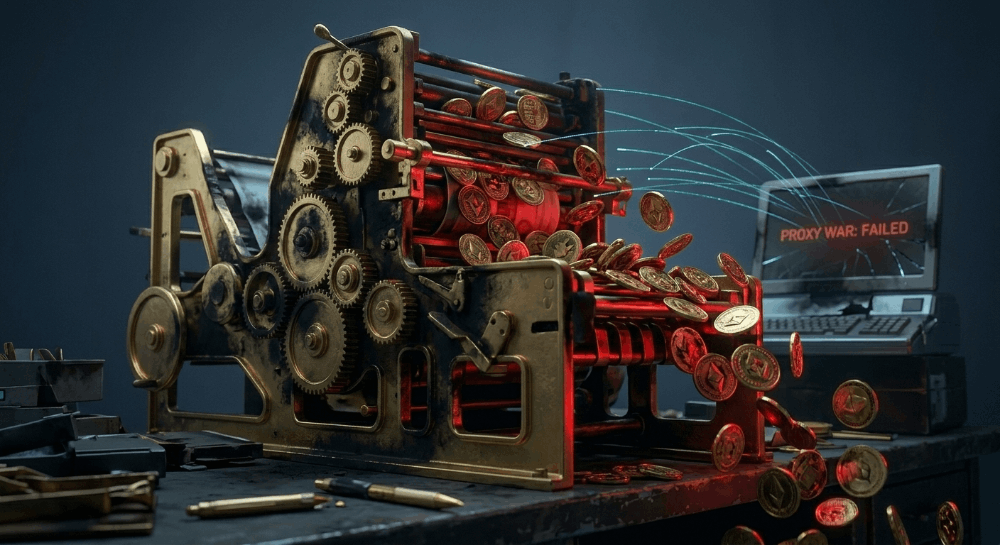
In the first 72 hours, the Syndicate lived through a cascade of failures. My initial proxy pool was scorched by Cloudflare’s behavioral analysis within six hours. The Scout could not access payout lists; the Trader received 403 Forbidden errors on every attempt. Old-school "linear" scripts died instantly—their predictable click latency and lack of browser context made them easy targets.
I had assumed the architecture was robust, but aggregator security is a moving target. They don't just ban IPs; they fingerprint session coherence. Every time my agent failed a JS challenge, it burned more than just a proxy—it burned a portion of my wallet’s reputation.
Technical Debugging: The Pivot
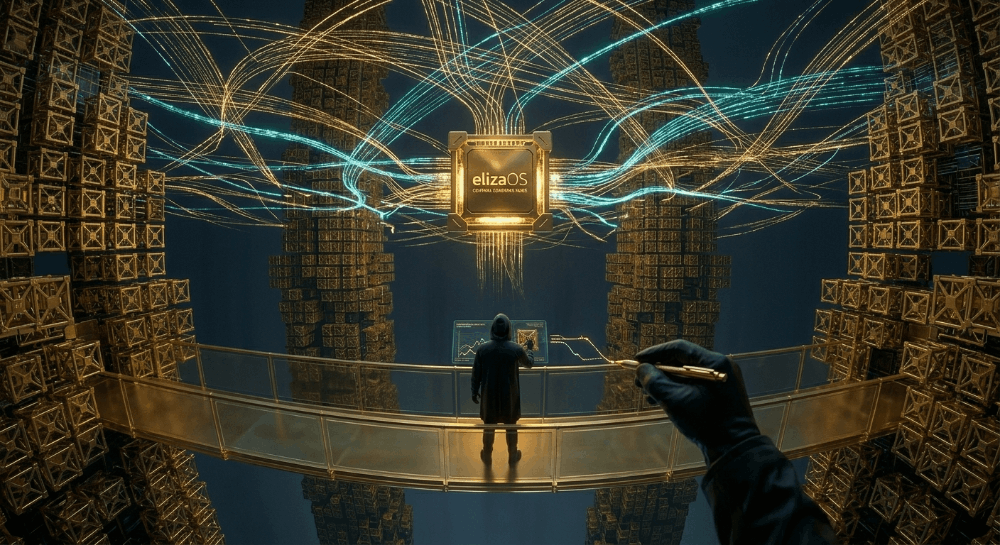
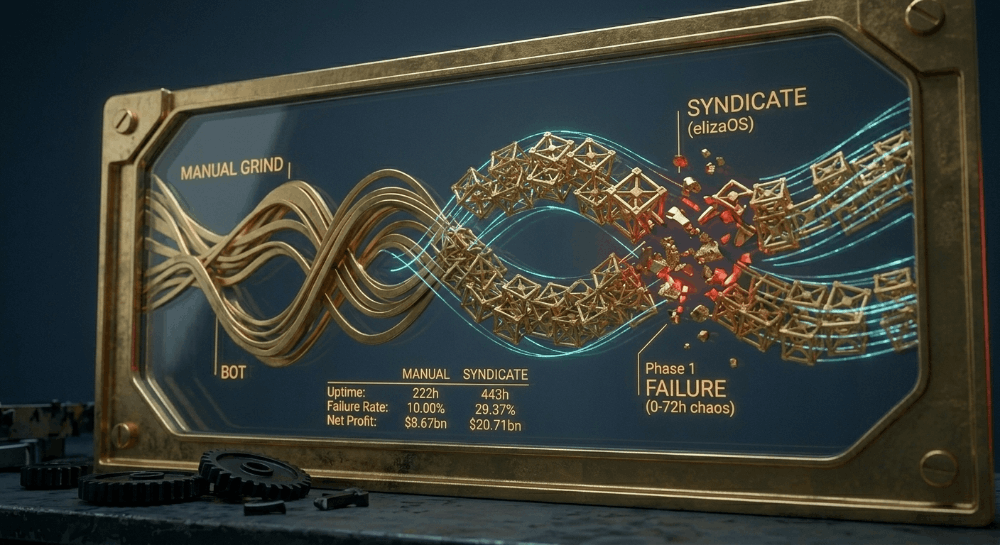
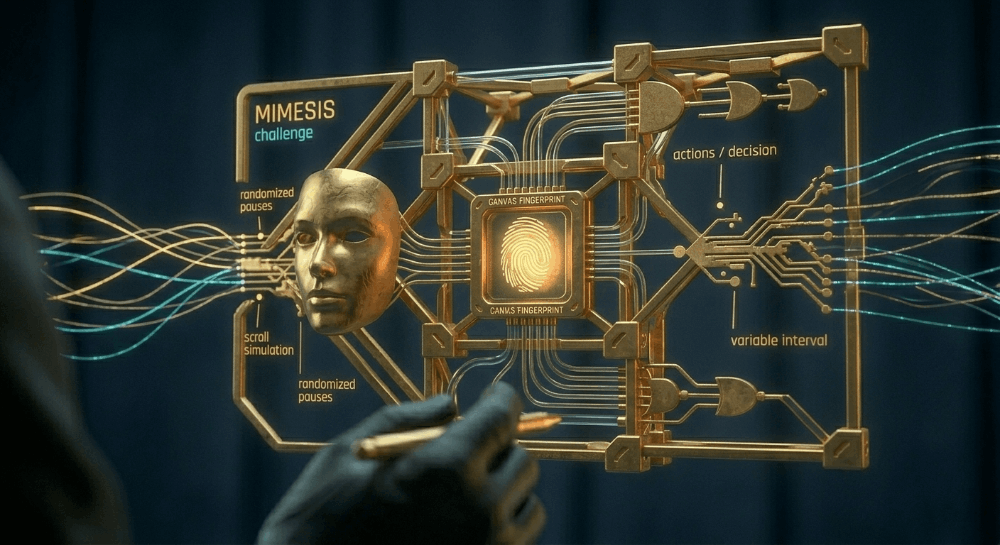
To survive, I had to stop acting like a "user" and start acting like a "browser." I overhauld the Proxy Manager module, implementing sticky residential sessions to prevent session-hopping. More importantly, I deployed Stealth Browser instances (Puppeteer/Playwright layers) within the elizaOS nodes. This required a 300% increase in RAM, but it allowed the agents to render canvas fingerprints and WebGL headers identical to a genuine Chrome instance on Windows 10.
Phase 2: Survival Metrics and Efficiency
The transition from a "bot" to an "autonomous instance" was measurable. After seven days of continuous patching and Circuit Breaker implementation (to ensure an API hang wouldn't stall the entire thread), the system hit a stability plateau.
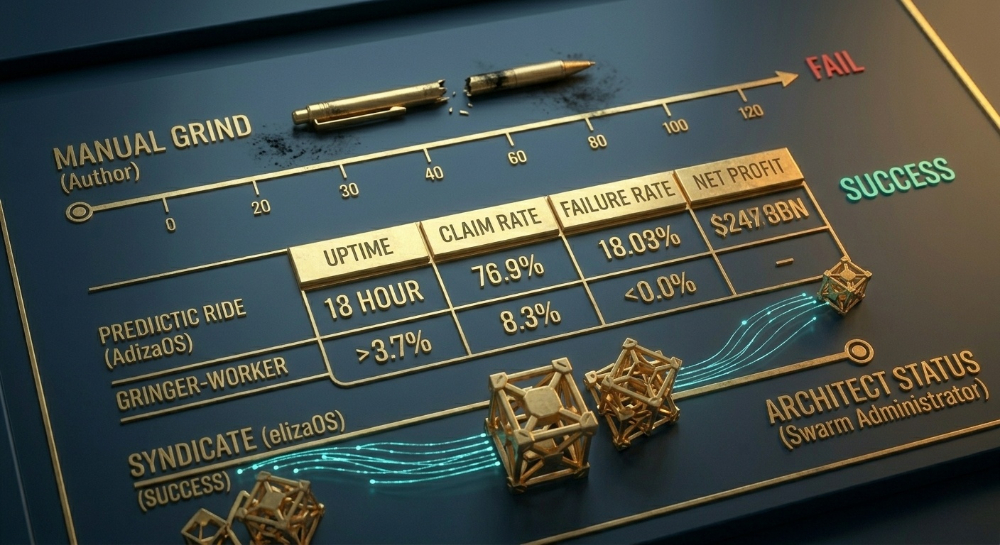
Metric тManual Grind Syndicate (elizaOS)
Operational Uptime 4-6 hours 24/7
Failure Rate ~0.1% 1.2% (post-patch)
Net Profit (LTC) Base (X) 1.35 * X
Phase 3: The Verdict — Architect as an Asset Owner
I no longer interact with faucets. My day now consists of log analysis, Vector DB health checks, and fine-tuning Character Files. The system is self-contained. I don't "earn"—I orchestrate the code I built. This is the transition from an employee to an infrastructure owner.