I Fired Myself: Transitioning from Manual Grinding to AI Agents. Part 3: Programming the Brains

In my previous post, we built the skeleton of my Syndicate. But architecture alone is just a framework. Without proper configuration, agents remain primitive scripts that get flagged by anti-fraud systems within minutes.
To make the system operate autonomously 24/7, it needs "intelligence." In elizaOS, this is achieved through customizing Character Files. I am not just writing code; I am building a digital persona for each node.
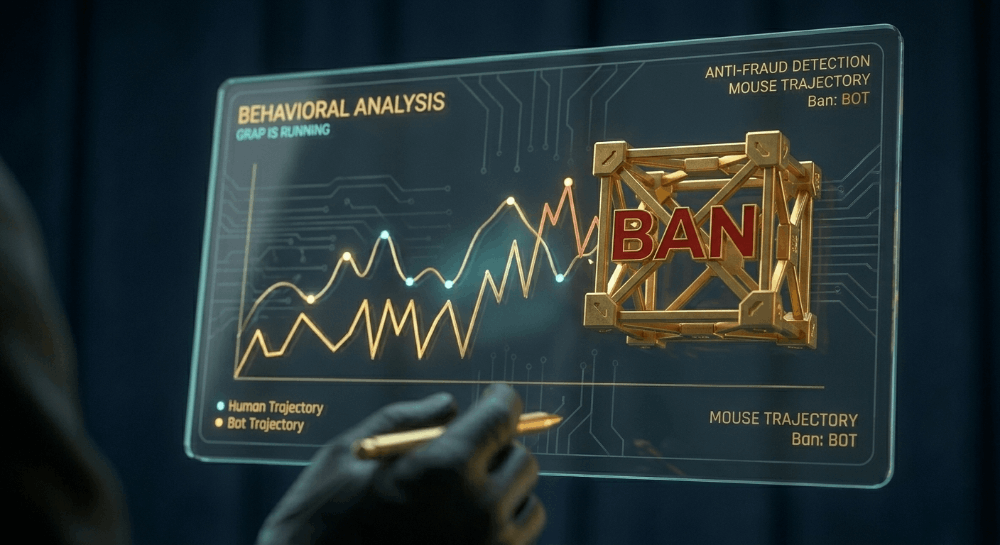
Inside the Anti-Fraud Trap
Every modern aggregator is a battlefield. They monitor more than just IPs; they analyze your "digital footprint" (mouse trajectory, click latency, session coherence).
Linear Bots: Execute rigid algorithms. They are predictable and dead to any security system more complex than a basic captcha.
elizaOS-based Agents: Act as LLM instances with long-term memory. They don't just "execute"; they make decisions based on context.
Anatomy of Character Files: A Deep Dive
1. The Brain of The Scout (Intelligence Node): Algorithmic Paranoia
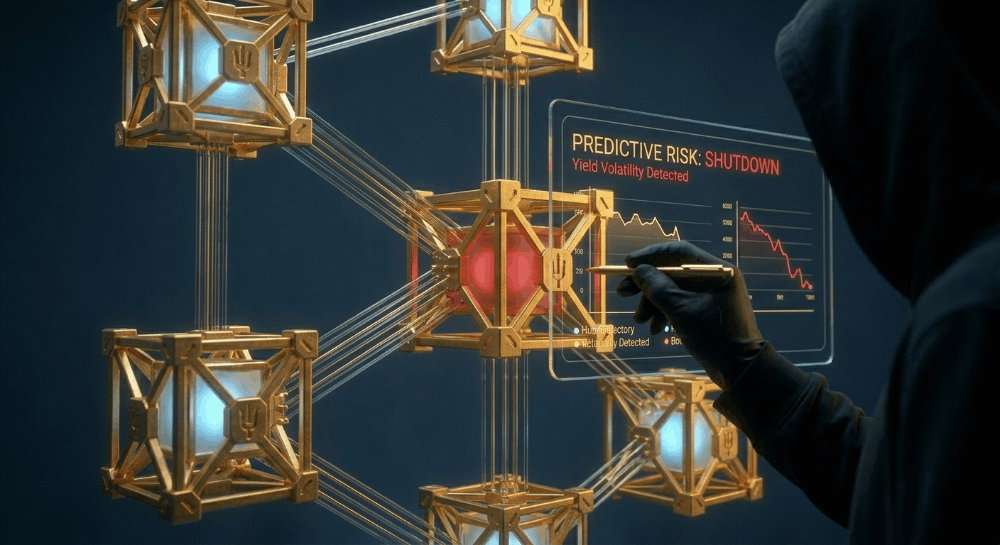
For the Scout, simply seeing a list of faucets isn't enough. Its Character File includes predictive analysis rules.
Engineering: I’ve implemented a platform "health" assessment logic. It doesn't just analyze current payouts; it assesses yield volatility over the last 72 hours.
Decision Making: If the Scout detects that a platform is starting to delay payouts, it drops its priority to zero before it even hits the "scam" list.
2. The Brain of The Trader (Execution Node): The Art of Mimicry
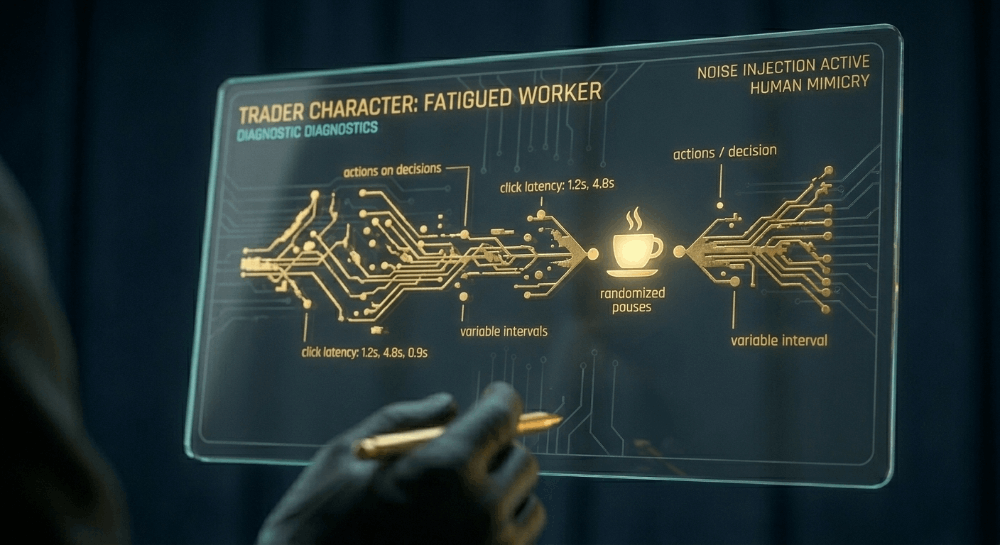
This is the most complex part of the code. How do you make a machine look... human?
Mimicry: I’ve programmed an "imperfect user" profile. The Trader uses noise injection in its actions — randomized pauses, scroll simulation, and variable timing between clicks.
Error Handling: If an offerwall crashes, the Trader doesn't initiate an infinite loop. It "gets frustrated," logs the error, and tries again at an interval typical of a real person.
3. The Brain of The Collector (Settlement Node): Financial Discipline
The Collector is the system’s "cold head." Its Character File is laser-focused on economics.
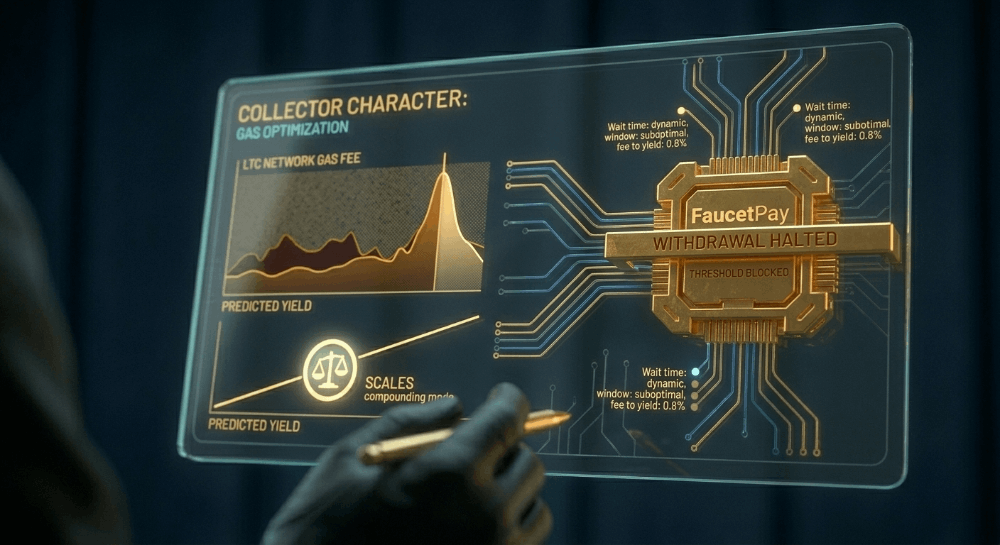
Gas Optimization: It monitors the Litecoin network in real-time. If network fees spike, it forces the withdrawal into a "compounding mode."
Autonomy: It calculates the optimal transfer window based on a mathematical model where gas costs must be <0.5% of the withdrawal amount.
Memory as a Competitive Advantage
Most importantly, there is the World State. Agents share data via a common database (Vector DB). If the Trader encounters a new type of captcha, it logs that experience. The Scout will know to allocate more processing resources for that specific task next time.
The Syndicate doesn't just perform tasks — it learns. I am no longer a grinder. I am a swarm administrator.

What's Next?
We have the "hardware" (architecture) and the "brains" (Character Files). In the final part,
Part 4, we move to the most exciting phase: launching on a live VPS, battling captchas, and reviewing the results. How much LTC did the swarm generate while I was busy architecting?
Subscribe — the finale is coming soon. 🦾🚀📈