Giancarlo Devasini a mysterious personality of USDT

Story of Giancarlo Devasini and the Financial Lifeblood of Cryptocurrencies
In the cryptocurrency industry, media publicity is practically currency. Charismatic leaders, vocal developers, and online influencers compete daily for investor attention. Names like Satoshi Nakamoto, Vitalik Buterin, and Michael Saylor have permanently entered the 21st-century financial lexicon. However, operating in the shadow of major conference stages and media noise is a man who quietly built the absolute most important pillar of the entire digital asset market—Giancarlo Devasini.
Although he remained almost invisible to the general public for years, the history of Tether (USDT) and the Bitfinex exchange revolves around him. Every transaction in the crypto market, every liquidity transfer between exchanges, and every flight to the safety of the digital dollar relies to some extent on the infrastructure where this modest Italian served as chief architect.
From the Operating Room to the World of Tech
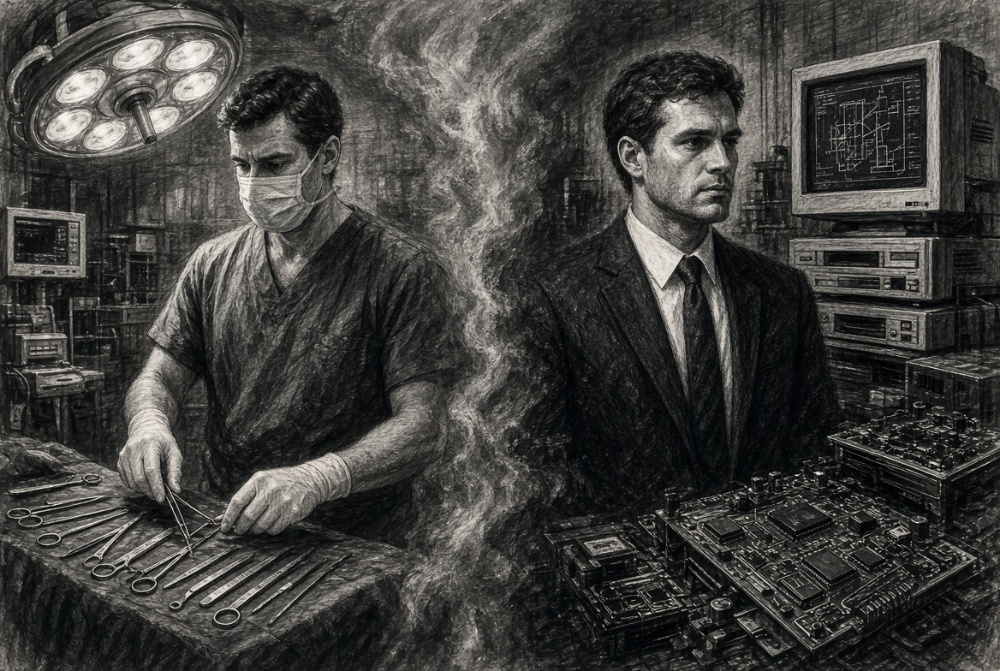
He graduated with a medical degree from the prestigious University of Milan and began practicing as a doctor and plastic surgeon. However, medical practice did not satisfy his business ambitions. In the 1990s, Devasini left medicine to pursue entrepreneurship in the rapidly growing computer hardware and software sector, founding companies such as Point-G and Solo srl.
Trivia: Devasini's ventures in the IT industry were not without hurdles—in the early 1990s, his companies attracted the attention of Microsoft regarding allegations of copying and distributing illegal software, which ultimately ended in out-of-court settlements.
The Birth of Bitfinex and the Creation of Digital Liquidity
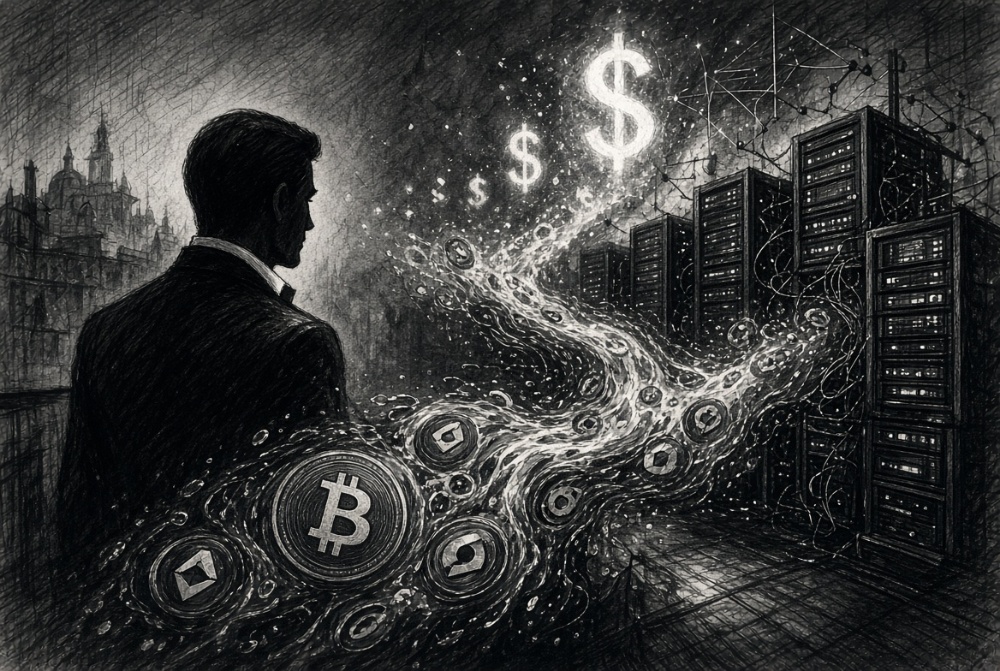
The biggest issue for traders worldwide was the inability to quickly exchange cryptocurrencies for fiat currencies. Traditional bank transfers took days, and banks regularly closed accounts belonging to crypto exchanges. This led to the birth of the stablecoin concept—a digital representation of traditional money operating on a blockchain.
In 2014, the Tether project was launched, issuing the USDT token pegged 1:1 to the US dollar. Combining the resources of Bitfinex and Tether, Devasini became a key figure and the main shareholder (holding an estimated 47% stake, according to Forbes) of the group that created a digital dollar replacement.
An Economic Machine and Impressive Profits
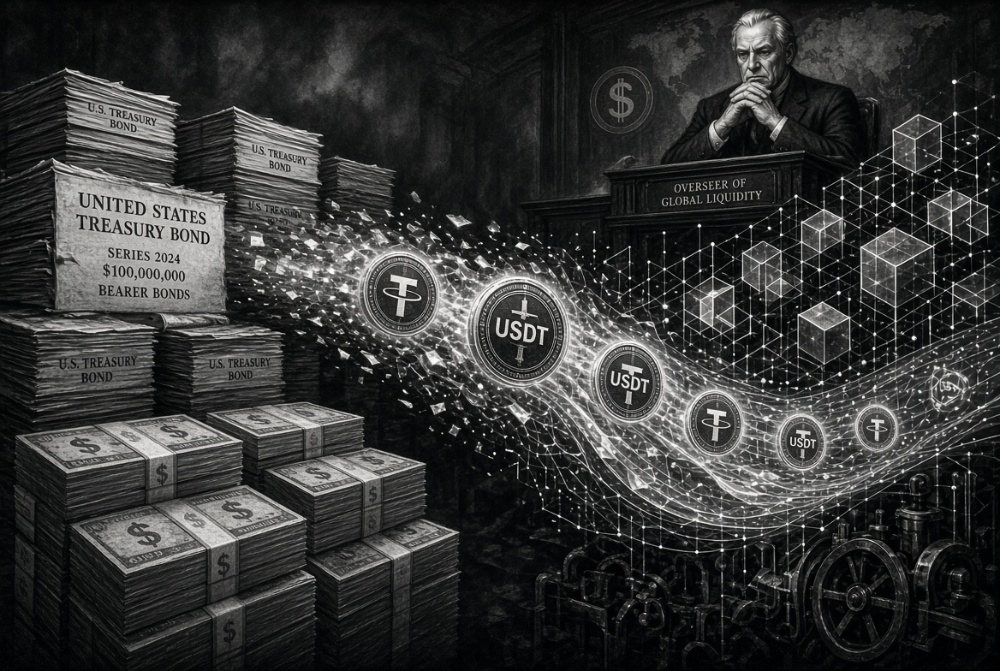
- Token Issuance: Investors and exchanges deposit traditional US dollars with Tether and receive newly issued USDT tokens in return.
- Asset Backing: Tether invests these accumulated liquid funds into safe, yield-bearing assets—primarily US Treasuries.
- Yield Capture: During periods of high interest rates, the interest income generated from these vast reserves flows directly to the company and its owners.
Today, Tether ranks among the world's largest holders of US government debt, surpassing even several sovereign nations. The company generates billions in net profit—reporting roughly $1.04 billion in net income in Q1 2026 alone, with total assets of around $191.7 billion against liabilities of approximately $183 billion.
A Rough Road: Legal Battles and Reserve Controversies
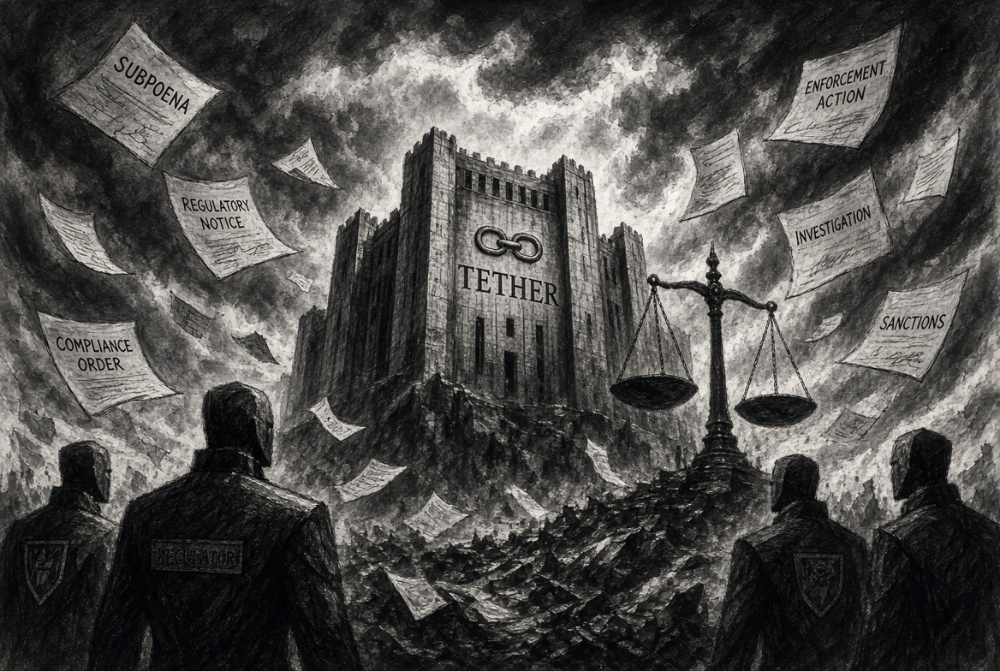
- NYAG Settlement: In 2021, following a multi-year investigation, Tether and Bitfinex settled with the New York Attorney General's office. The case involved concealing an $850 million loss of Bitfinex funds trapped in the Panamanian entity Crypto Capital. Bitfinex accessed Tether's reserves to cover the shortfall. The companies paid an $18.5 million fine and agreed to cease operations with New York state residents.
- CFTC Fines and Reserve Backing: That same year, the US Commodity Futures Trading Commission (CFTC) fined Tether $41 million for misleading investors between 2016 and 2018. The investigation revealed that USDT tokens were not fully backed 1:1 by cash in bank accounts during that period.
Despite sharp criticism from the media and regulators (including prominent investigative reports in Bloomberg Magazine), Tether survived deep market downturns, the collapse of the FTX exchange, and the bankruptcies of multiple crypto-friendly banks (such as Silicon Valley Bank and Signature Bank), proving its unprecedented operational resilience.
Comparison of Major Stablecoins in the Market
The Evolution of Devasini's Role and Tether's New Era
In response to growing global regulatory demands, Tether underwent internal structural reforms. New executives joined the leadership team—including Simon McWilliams as CFO, tasked with preparing the company for a full, definitive financial audit.
Today, Tether is no longer just a digital currency issuer. The company reinvests its massive capital surpluses into strategic future sectors:
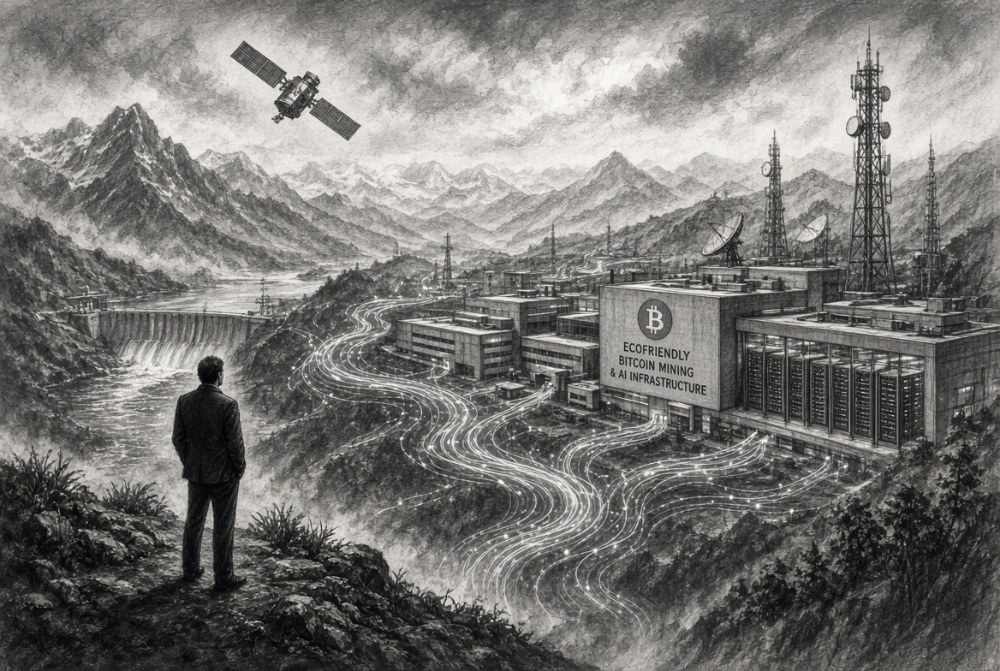
- Bitcoin Mining and Green Energy: Constructing eco-friendly mining farms in South America.
- Artificial Intelligence and Data Centers: Acquiring stakes in cloud providers and compute infrastructure (e.g., Northern Data).
- Telecommunications and Education: Funding independent communication and educational initiatives globally.
The story of Giancarlo Devasini illustrates that in the complex world of finance, true power rarely lies wher
e the most noise is made. Ultimate control rests in the hands of those who manage infrastructure and global liquidity.
Devasini built a unique digital financial pipeline without which modern crypto market architecture could not function. Whether viewed as a brilliant strategist or a symbol of crypto's controversial origins, the former Italian plastic surgeon has left a permanent mark on the history of modern finance.
Resources:
https://www.forbes.com/profile/giancarlo-devasini/
https://www.google.com/search?q=https://www.bloomberg.com/news/features/2021-10-07/crypto-mystery-where-is-tether-s-billions-backed-money
https://www.wsj.com/
https://ag.ny.gov/press-release/2021/attorney-general-james-ends-virtual-currency-trading-platform-bitfinexs-illegal
https://www.cftc.gov/PressRoom/PressReleases/8450-21
https://tether.to/en/transparency/
https://www.youtube.com/watch?v=gVnI0QGAL80