web3 promised power, they kept the keys

remember when we were supposed to own the internet?
that was the pitch, anyway. somewhere around 2021, between the nft gold rush and the crypto casino hitting its peak, web3 became the word on everyone's lips, decentralization, ownership, power to the people (a16z Crypto Canon). no more tech overlords controlling our data, our content, our lives. we'd all be sovereign individuals in a borderless digital nation, holding our own keys, making our own rules.
it sounded beautiful. it sounded like freedom.
but here we are, a few years later, and most of us are still using the same platforms, clicking through the same terms of service we don't read, watching the same companies grow even larger (The Atlantic). the revolution got delayed, or maybe it just got expensive.
the dream was real, though
let's be fair, the problems web3 tried to solve weren't imaginary. we really don't own our social media accounts. instagram can delete years of your photos tomorrow and you have zero recourse (EFF – Ownership). spotify pays artists fractions of pennies (The Verge). your data really is harvested and sold to the highest bidder.
so when crypto enthusiasts started talking about putting everything on the blockchain, about smart contracts that couldn't be altered by some ceo's whim (Vitalik Buterin), about communities governing themselves through daos, it resonated. it felt like something worth fighting for.
artists could sell directly to fans. writers could publish without gatekeepers. gamers could actually own their in-game items. the middlemen would disappear.
on paper, it was gorgeous.
then reality showed up
the first problem was that decentralization is really, really hard. running your own server, managing private keys, understanding gas fees, it wasn’t exactly user-friendly. ethereum gas fees alone priced out everyday users for long stretches (YCharts; Decrypt).
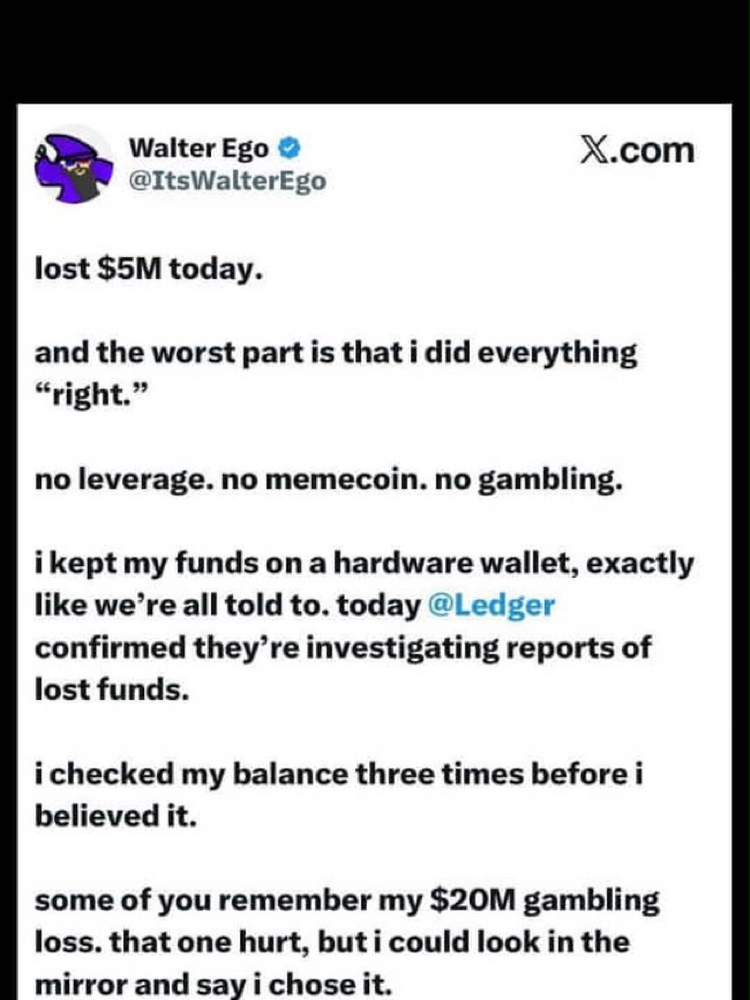
and while the tech people said “it’ll get easier,” regular humans were asked to bet real money on that promise. one wrong click could mean losing your life savings to a scammer, or forgetting a seed phrase could lock you out forever (CoinDesk; Chainalysis). no password reset. no customer support. just the chain.
the second problem was more insidious: the same power structures rebuilt themselves. sure, you could mint your own nft, but you needed opensea to sell it (CoinDesk). yes, you could launch a token, but you needed coinbase or binance for legitimacy.
meet the new boss. same as the old boss.
the invisible barriers
web3 became a rich person’s game almost immediately. gas fees could cost more than a month of netflix. launching nft collections required upfront capital most artists didn’t have. governance required tokens that weren’t cheap.
venture capitalists poured billions into web3, concentrating ownership early (Bloomberg; Protocol). daos that promised democracy often concentrated voting power among early insiders (Vitalik on Voting; Arxiv DAO Study).
the wealth didn’t distribute. it concentrated, just in different wallets (NBER; Chainalysis).
what we learned
web3 taught us something uncomfortable: you can’t solve social problems with technology alone. decentralization is a tool, not a moral upgrade. “trustless” systems still require trust, in developers, in communities, in code that might still have bugs (Moxie Marlinspike).
removing intermediaries didn’t remove the need for coordination, moderation, or dispute resolution. and most people, reasonably, choose convenience over sovereignty (NNGroup).
where we are now
web3 didn’t replace the internet. most people still scroll instagram, watch youtube, and tweet on x (The Verge – Web3 Explainer). the nft market collapsed after the hype faded (WSJ).
but the ideas didn’t die. they just got quieter, and more honest. some projects are building real digital ownership in narrow, useful contexts. fairer creator payments. new coordination models. fewer promises of overnight revolution.
the keys to power are still mostly held by the same types of institutions. but now, more people understand why. power doesn’t redistribute itself just because the tech allows it.
the promise of web3 wasn’t a lie. it was incomplete.
power isn’t written into a whitepaper.
it’s built, slowly through culture, regulation, education, infrastructure, and time.
and that work is much harder than minting a token.