What is web3

Web3 is an attempt to redesign how the internet works by shifting control away from centralized platforms and toward users through blockchain based systems. To understand it properly, it helps to compare the phases of the internet.
Web1 (roughly 1990 to 2005)
This was the early internet. Most websites were static pages. Users mainly consumed information. You could read websites but interaction was limited. Ownership was mostly with whoever ran the website or server.
Web2 (roughly 2005 to today)
This is the current internet dominated by large platforms such as Google, Meta Platforms, and Amazon. Users create most of the content, but the platforms own the infrastructure and the data. Social networks, cloud computing, and mobile apps define this era. The key tradeoff is convenience for control; companies store and monetize user data.
Web3 tries to solve that centralization problem.
Core Idea of Web3
Web3 uses blockchain networks to create internet services where ownership, governance, and value are distributed among users instead of controlled by a single company.
Instead of trusting a company database, the system relies on decentralized networks such as Ethereum, Bitcoin, or Solana.
These networks are maintained by thousands of independent computers (nodes). Transactions and data are verified through consensus rather than a central authority.
The Fundamental Components of Web3
1. Blockchain
A blockchain is a distributed ledger that records transactions across many computers. Once data is recorded, it is extremely difficult to alter.
Key properties:
✓ Transparency, anyone can verify transactions
✓ Immutability, past records cannot easily be changed
✓ Decentralization, no single controlling server
This allows digital systems to operate without relying on a central database.
2. Smart Contracts
Smart contracts are programs stored on a blockchain that automatically execute rules when conditions are met.
For example:
✓ Sending tokens when a task is completed
✓ Executing trades on decentralized exchanges
✓ Running decentralized governance votes
On networks like Ethereum, these contracts run exactly as written without needing an intermediary.
3. Tokens and Digital Assets
Web3 systems represent value using tokens.
Types include:
Cryptocurrencies
Digital money such as Bitcoin or Ether used for payments and network fees.
Utility tokens
Used within a specific protocol or platform.
Governance tokens
Allow holders to vote on decisions in decentralized protocols.
NFTs (non fungible tokens)
Unique digital assets representing ownership of items such as art, collectibles, or in game items. Platforms like OpenSea popularized this model.
4. Decentralized Applications (dApps)
Web3 applications run partly or entirely on blockchain infrastructure instead of centralized servers.
Examples include decentralized finance platforms like Uniswap Labs, lending protocols such as Aave, and NFT ecosystems.
The backend logic is controlled by smart contracts rather than a company database.
5. Wallets and Identity
In Web3, identity is usually tied to a cryptographic wallet.
Examples include wallets such as MetaMask and Phantom.
A wallet acts as:
✓ your login
✓ your payment system
✓ your asset storage
✓ your digital identity
Instead of creating accounts with email and password, you sign transactions with a private key.
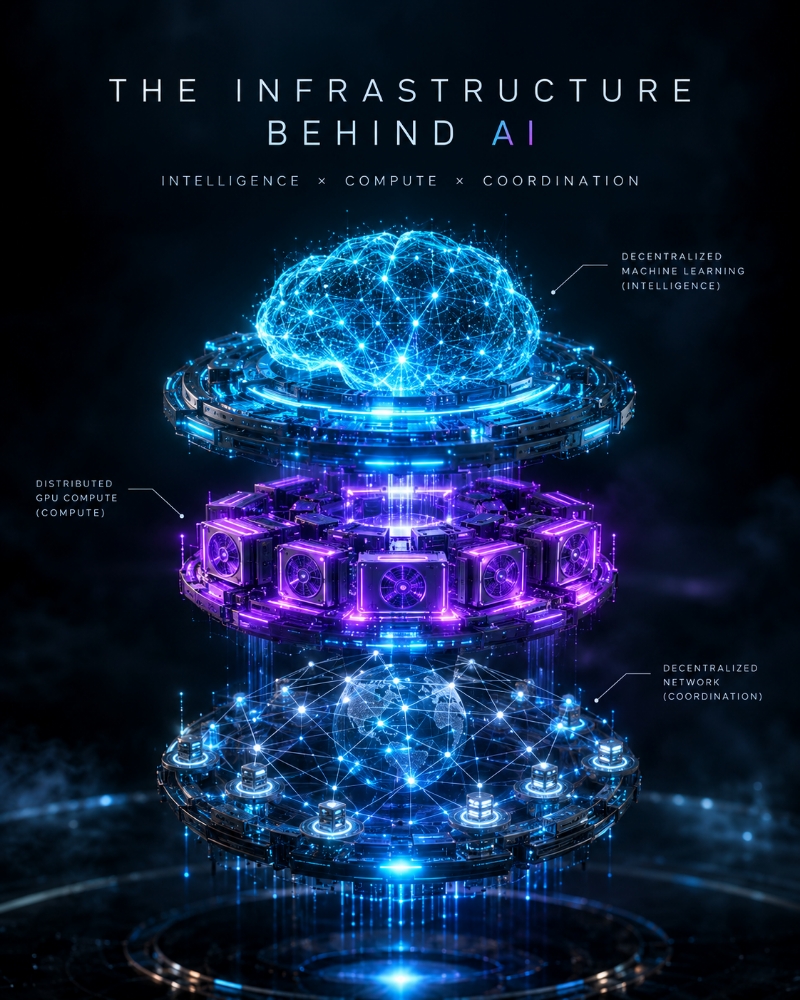
Web3 Infrastructure Layers
Web3 can be viewed as a stack:
1. Blockchain layer
Networks such as Ethereum or Solana.
2. Protocol layer
Financial or infrastructure protocols like Uniswap Labs.
3. Application layer
User facing apps like NFT marketplaces or games.
4. Interface layer
Wallets and front end websites that connect users to blockchain services.
Major Use Cases
Decentralized Finance (DeFi)
Financial services built without banks. Users can lend, borrow, trade, and earn yield using smart contracts.
NFTs and Digital Ownership
Creators can sell digital assets with verifiable ownership on chain.
DAOs
Decentralized Autonomous Organizations are communities that govern projects using token based voting.
Gaming
In game items become real digital assets players can trade or sell.
Digital Identity
Users control their identity and credentials rather than relying on centralized platforms.
Advantages of Web3
Ownership
Users can actually own digital assets instead of renting access from platforms.
Censorship resistance
Decentralized networks are harder for governments or companies to shut down.
Permissionless innovation
Anyone can build applications on open blockchain networks.
Trustless systems
Trust shifts from institutions to code and cryptography.
Major Criticisms and Limitations
Web3 is still experimental and has real problems.
Scalability
Blockchains process far fewer transactions than traditional systems.
User experience
Wallets, gas fees, and private keys are difficult for mainstream users.
Security risks
Smart contract bugs can lead to massive financial losses.
Centralization concerns
Some so called decentralized systems rely on a few large investors or infrastructure providers.
Speculation
A large portion of the ecosystem is driven by token speculation rather than real utility.
The Big Debate
Supporters argue Web3 will reshape ownership and digital economies.
Critics argue it often recreates traditional power structures with new technology.
For example, figures like Vitalik Buterin promote decentralized internet ideals, while critics such as Jack Dorsey have warned that venture capital often controls many Web3 projects.
In simple terms
Web3 is an attempt to turn the internet into an ownership economy where users control assets, identity, and governance through blockchain networks rather than centralized tech companies.