Evolution of Digital Economy.

25
The evolution of the digital economy reflects a shift from a traditional "industrial age" to a 21st-century paradigm centered on real-time connectivity and data-driven intelligence. This journey is broadly categorized into four major eras:
1. The Pre-Digital Era (1960s – 1980s)
- Birth of Computing: Modern digital computing began with large mainframes like the IBM 7090 used for scientific and military research.
- Standardization: The Intel x86 architecture emerged in the late 70s, setting the de facto standard for personal computers and server infrastructure.
- Early Productivity Paradox: Despite widespread computerization, Nobel laureate Robert Solow famously noted in 1987 that the computer age was visible "everywhere except in the productivity statistics".
2. The Internet Revolution (1990s)
- The "New Economy": Terms like the Internet Economy or Web Economy gained traction as businesses began utilizing digital computing for economic activities.
- Foundation of E-commerce: The launch of the World Wide Web (1991) and search engines like Google (1998) enabled the rise of digital trade through pioneers like Amazon and eBay.
- Coining the Term: Don Tapscott’s 1995 book, The Digital Economy, officially named the phenomenon, highlighting the shift from "processing atoms" (physical goods) to "processing bits" (digital information).
3. The Mobile and Platform Era (2000s – 2010s)
- Ubiquitous Connectivity: The 2007 launch of the iPhone transformed smartphones into personal computing hubs, enabling a 24/7 "always-on" economy.
- Platform Economy: Digital giants such as Facebook, Instagram, and YouTube reshaped communication, while the Sharing Economy (e.g., Uber, Airbnb) disrupted traditional service industries.
- Cloud Transformation: Advancements in virtualization led to the move toward Cloud Computing (AWS, Google Drive), shifting IT from a capital expense to a flexible utility.
4. The Era of Intelligent Automation (2020s – Present)
- Pandemic Acceleration: COVID-19 lockdowns forced a "profound transformation" in habits, making remote work (Zoom, Slack), telemedicine, and online shopping essential components of the economy.
- The Fourth Industrial Revolution: The current phase is driven by Artificial Intelligence (AI), Machine Learning, and Big Data, allowing for hyper-personalized consumer experiences and automated decision-making.
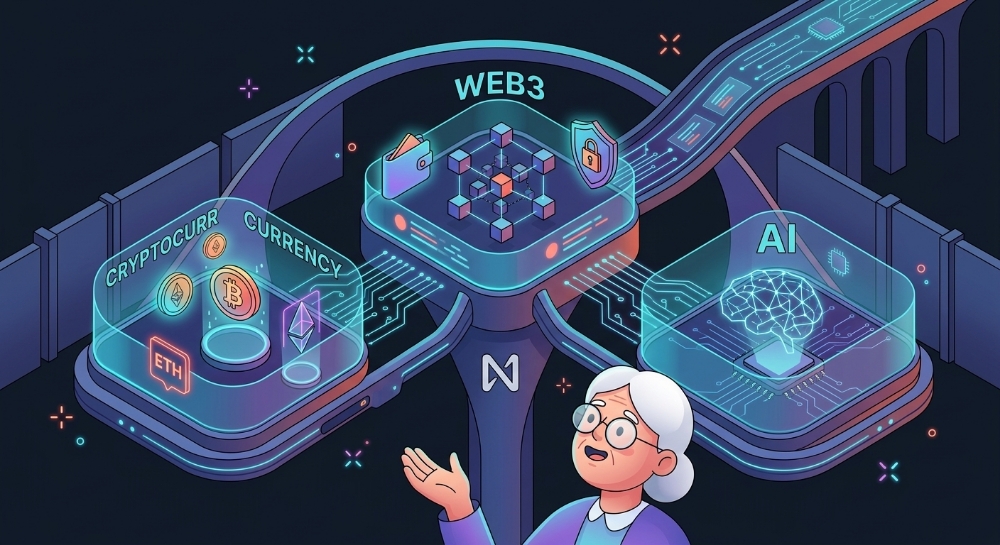
- Emerging Frontiers: Technologies like Blockchain, 5G, IoT, and the Metaverse are creating decentralized financial systems and immersive digital environments.