Phish-Proof Your Wallet: A User's Guide to Defending Against DeFi Scams
The Growing Threat of DeFi Phishing Attacks
DeFi has revolutionized finance by offering open, permissionless access to financial services, but this freedom comes with significant security risks.
Phishing attacks have emerged as one of the most pervasive threats to DeFi users, with losses from these scams reaching billions of dollars annually.
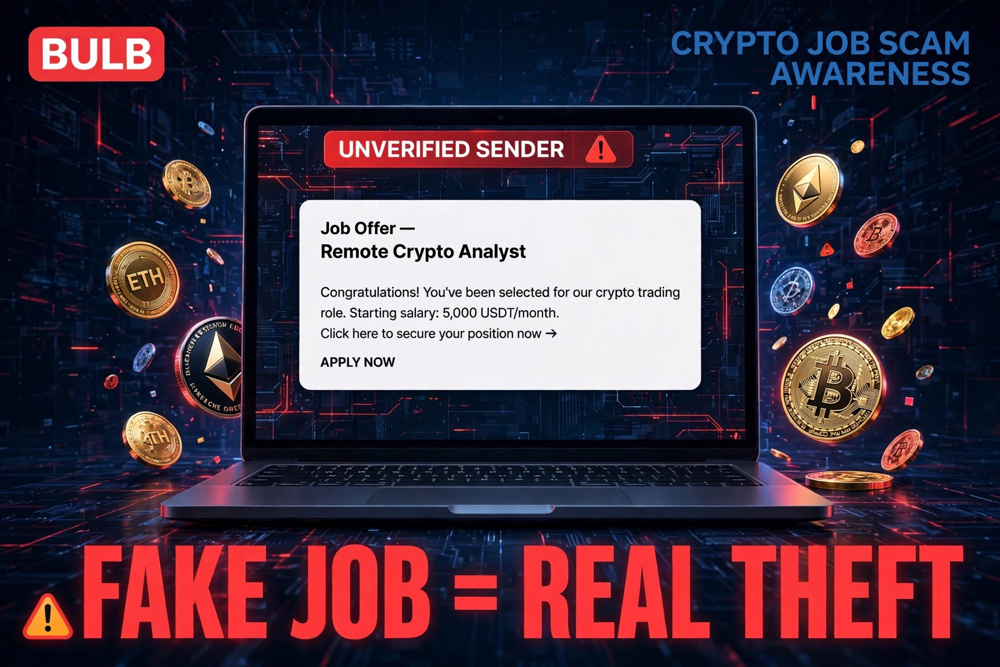
Unlike traditional phishing that targets passwords, DeFi phishing aims to steal crypto assets by tricking users into authorizing malicious contracts or revealing private keys.
How DeFi Phishing Attacks Work
DeFi phishers use sophisticated tactics to manipulate users, often combining technical trickery with social engineering. Some of the most common attack vectors include:
- Fake websites and apps: Attackers create replicas of popular DeFi platforms, complete with convincing logos, interfaces, and even fake TVL data. These sites prompt users to connect their wallets and approve transactions that transfer funds to the attacker's address.
- Search engine ads: Scammers pay for top placement in search results, using keywords like "Aave yield farming" or "Compound staking" to redirect users to fake sites. These ads often appear legitimate, with official-looking URLs and branding.
- Social media scams: Phishers use Twitter, Discord, and Telegram to promote fake airdrops, giveaways, and investment opportunities. They direct users to malicious links or ask for private keys, seed phrases, or wallet permissions.
Identifying DeFi Phishing Scams
Recognizing a phishing attempt is the first line of defense. Here are some key signs to watch for:
- Suspicious URLs: Always check the website address carefully. Phishers often use slight variations of official domains, like "aavve.com" instead of "aave.com" or "comp0und.finance" instead of "compound.finance".
- Unsolicited requests: Legitimate DeFi platforms will never ask for your private key, seed phrase, or full wallet permission. Be wary of any message that asks for this sensitive information.
- Urgency and pressure: Scammers often use high-pressure tactics to get users to act quickly, like "Claim your free tokens before they're gone!" or "Your wallet is at risk—click here to secure it."
- Poor design and grammar: Many phishing sites have low-quality graphics, broken links, or grammatical errors. If something looks off, it probably is.
Protecting Yourself from DeFi Phishing Attacks
While phishing attacks are sophisticated, there are several steps you can take to protect your DeFi assets:
- Use a hardware wallet: Hardware wallets like Ledger and Trezor store your private keys offline, making them immune to phishing attacks. Always confirm transactions on your hardware wallet's screen before approving them.
- Verify URLs manually: Instead of clicking links in emails, ads, or social media posts, type the official URL of the DeFi platform directly into your browser. You can also bookmark official sites for easy access.
- Enable two-factor authentication (2FA): Use 2FA on all your crypto accounts, including exchanges, wallets, and DeFi platforms. This adds an extra layer of security in case your password is compromised.
- Educate yourself: Stay informed about the latest phishing tactics and scam trends. Follow reputable security accounts on Twitter, like @peckshield, @CertiK, and @SlowMist_Team, for real-time alerts and updates.
Concrete Vaults: Securing Your DeFi Journey
Concrete vaults is committed to providing a secure and transparent DeFi experience for all users. The platform's security features include:
- Audited smart contracts: All Concrete vaults smart contracts undergo rigorous audits by leading security firms, including CertiK and Hacken, to ensure they are free from vulnerabilities and backdoors.
- Transparent operations: The platform publishes real-time data on its TVL, performance, and fees, so users can make informed decisions about their investments.
- Community support: Concrete vaults has a dedicated community of users and moderators who help identify and report phishing scams. The platform also provides regular security tips and resources to help users stay safe.
By following these best practices and using secure platforms like Concrete vaults, you can protect your DeFi assets and enjoy the benefits of decentralized finance with confidence. Remember, the key to staying safe in DeFi is to be vigilant, skeptical, and informed.
Explore Concrete at app.concrete.xyz/earn
#Concrete #DeFi #Security #Phishing #Scams #WalletSecurity #Blockchain #SustainableFinance #DeFiStrategies #DeFiVaults #ManagedDeFi #OnchainCapital #InstitutionalDeFi