🪙 Do You Really Own Your Assets in Web3?

👀 Introduction
One of the most powerful promises of Web3 is true ownership.
Supporters often say that blockchain technology allows users to finally control their digital assets without relying on banks, platforms, or large corporations.
In Web2, most of the things we use online are not truly ours.
Your social media account, your digital purchases, and even your online identity often depend on platforms that can change the rules at any time.
Web3 claims to change this completely.
With crypto wallets, NFTs, and blockchain tokens, users are told they can own their assets directly.
But this raises an important question:
💭 Do you really own your assets in Web3… or is the reality more complex?
Let’s explore what ownership truly means in the decentralized internet.
🔐 The Concept of Self-Custody
One of the biggest differences between Web2 and Web3 is self-custody.
In traditional financial systems, banks store and manage your money.
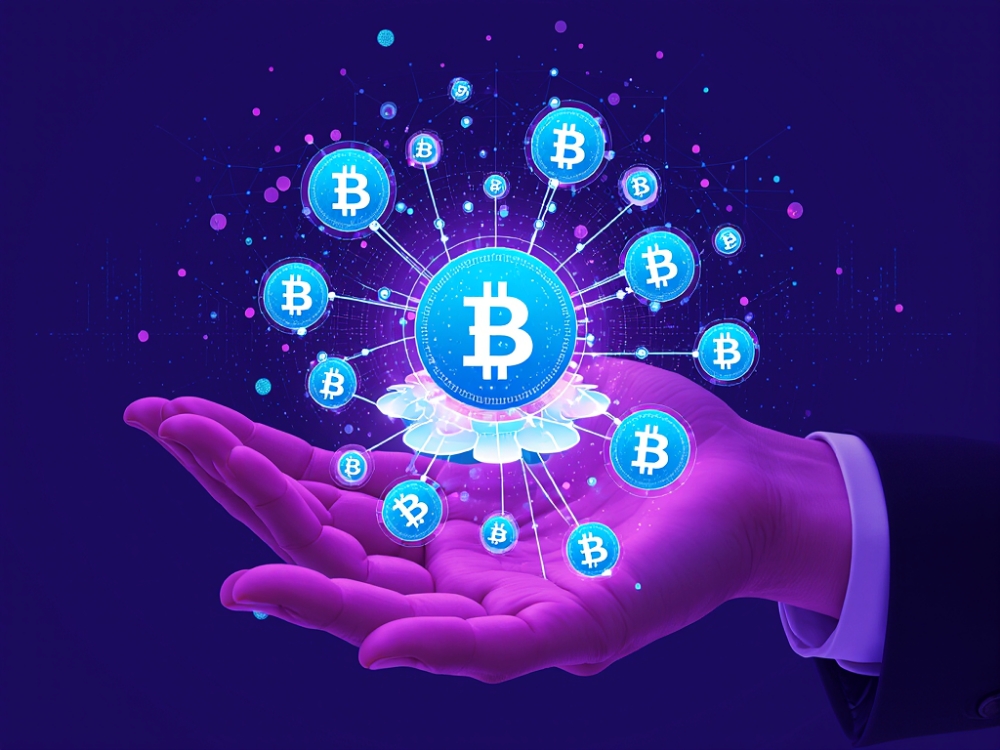
In Web3, your assets are stored in a crypto wallet controlled by private keys.
Whoever controls the private keys controls the assets.
This means that users can send, receive, or store digital assets without asking permission from any central authority.
In theory, this represents one of the strongest forms of digital ownership ever created.
No bank.
No platform approval.
No intermediary.
Just you and the blockchain.
🌐 Ownership on the Blockchain
Blockchain technology records transactions on a public and transparent ledger.
When you hold a cryptocurrency or an NFT, the blockchain shows that your wallet address owns that asset.
This record cannot easily be altered or deleted.
Because of this system, many people argue that Web3 provides stronger ownership rights than traditional digital platforms.
For example:
- You can move your assets between platforms.
- You can sell them freely.
- No company can simply delete them from the blockchain.
This level of control is something that rarely exists in Web2 ecosystems.
⚠️ The Limits of Ownership
However, ownership in Web3 is not always as simple as it appears.
While the blockchain records ownership of tokens or NFTs, many digital assets still depend on external infrastructure.
For example, an NFT might point to an image stored on a separate server or storage network.
If that external resource disappears, the NFT may still exist — but the associated content could become inaccessible.
Similarly, access to Web3 services often relies on platforms such as:
- exchanges
- marketplaces
- wallet interfaces
- decentralized applications
These tools help users interact with blockchain systems, but they can still introduce certain dependencies.
🧠 Ownership vs Access
Another important distinction in Web3 is the difference between owning an asset and being able to use it easily.
Even if you technically own a token on the blockchain, your ability to use or trade it may depend on:
- compatible platforms
- active marketplaces
- supporting software tools
If a project shuts down or loses community support, the asset might still exist on the blockchain — but its practical value could decline significantly.
This shows that ownership in Web3 is partly technical and partly economic.
🔑 Responsibility Comes With Ownership
True ownership also brings greater responsibility.
In Web2 systems, platforms often help protect user accounts and recover lost access.
In Web3, control over assets depends entirely on the security of your private keys.
If you lose your wallet keys, your assets may be permanently inaccessible.
There is usually no recovery system.
This level of independence is powerful, but it also requires users to take security very seriously.
Ownership in Web3 is not just a right — it is also a responsibility.
🚀 A New Model of Digital Ownership
Despite its limitations, Web3 introduces a fundamentally new model for digital ownership.
For the first time, individuals can hold digital assets that exist independently of centralized platforms.
This creates possibilities such as:
- portable digital identities
- cross-platform digital assets
- decentralized creator economies
- community-owned networks
Even if the ecosystem is still evolving, these innovations represent a significant shift in how value can exist online.
✨ Final Thoughts
So, do you really own your assets in Web3?
In many ways, yes.
Blockchain technology allows users to control their digital assets through cryptographic ownership and decentralized networks.
However, true ownership also depends on factors such as infrastructure, usability, and community support.
Web3 may not yet provide perfect independence from all systems, but it offers a powerful step toward a more open and user-controlled digital economy.
Understanding both the possibilities and the limitations is essential for navigating the future of Web3.
💬 What Do You Think?
Do you believe Web3 truly gives users ownership of their digital assets…
or is that idea still evolving?
Share your thoughts 👇