The AI + Web3 Convergence: Who Actually Owns Your Digital Mind?

We’ve all seen the explosion of AI over the last few years. You can type a quick sentence into a prompt box, and suddenly you have a stunning piece of artwork, a fully functional coding script, or a blog post written in seconds. It feels like magic. But behind that magic lies a pretty uncomfortable truth that most tech giants don’t really want to talk about: data ownership.
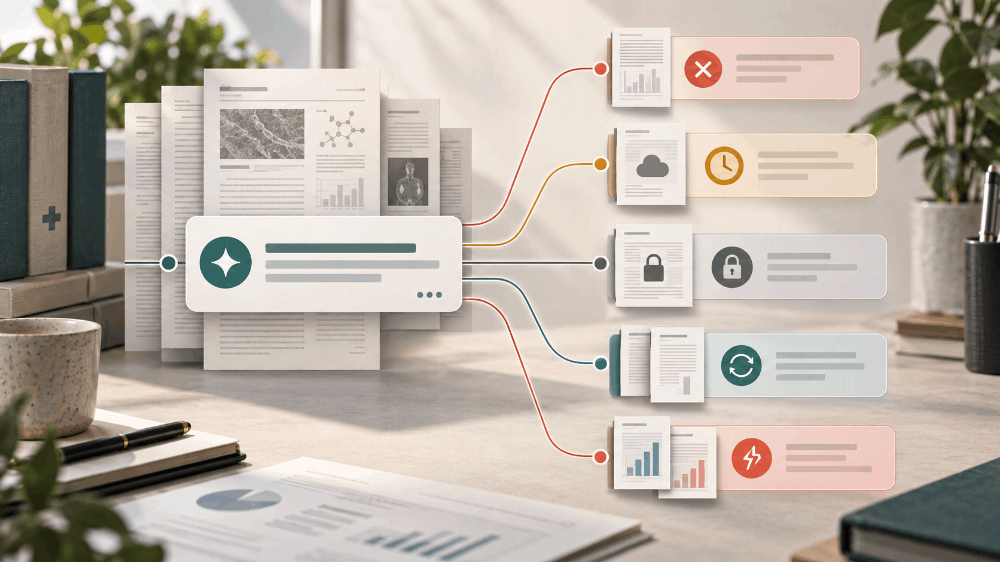
Right now, the AI boom is incredibly centralized. Every time you chat with a mainstream AI bot, use a free image generator, or upload your data to a cloud-based tool, you are feeding a massive machine. These companies scrape human creativity, personal data, and public internet interactions to train their models. The companies get worth billions; the everyday users who provided the data get nothing.
This is exactly where Web3 steps into the room.
Breaking the Monopoly
If you strip away all the complex jargon, Web3 is essentially about ownership. It’s the idea that you should own your digital assets, your identity, and your data, rather than leasing them from a massive tech corporation. When you marry that philosophy with artificial intelligence, things get really interesting.
Imagine a world where you own your personal AI assistant completely. Instead of your data sitting on a centralized server in Silicon Valley, your digital footprint, your preferences, and your creative inputs are secured on a decentralized network (a blockchain).
If a company wants to use your data or your creative writing to train their next massive AI model, they don’t just take it for free. They have to ask for your permission, and more importantly, they have to pay you for it. Web3 introduces the infrastructure to make micro-payments directly to creators and users. Suddenly, data isn’t just something you give away—it’s an asset you control.
Decentralized Power (Literally)
Another massive bottleneck for AI right now is computing power. Training these massive models requires thousands of specialized computer chips running 24/7, which costs millions of dollars. Again, only the absolute biggest tech companies can afford this.
Web3 changes the game by introducing decentralized compute networks. Think of it like an Airbnb for computer power. If you have a powerful gaming PC sitting idle while you're at work, or if a data center has extra capacity, you can rent out that processing power to developers who are building AI models. In return, you earn cryptocurrency.
This lowers the barrier to entry completely. A small team of innovative developers anywhere in the world can build the next groundbreaking AI tool without needing a multi-million dollar venture capital backing just to pay for server costs.
What This Means for Us
For the average person looking at the future of technology, the intersection of AI and Web3 isn't just about trading tokens or looking at charts. It’s about creating a fairer internet.
We are moving toward an era of "DeAI" (Decentralized Artificial Intelligence). In this ecosystem, AI tools are open-source, the data training methods are transparently recorded on a ledger so we know they aren't biased or stolen, and the value created by these systems is shared with the community rather than hoarded by a handful of executives.
The technology is still young, and the user interfaces can still feel a bit clunky. But the shift is already happening. The next time you interact with an AI tool, ask yourself: Am I the customer, or am I just the free fuel for their engine?
With Web3, we finally get to choose.