Gas Fees

59
Gas Fees
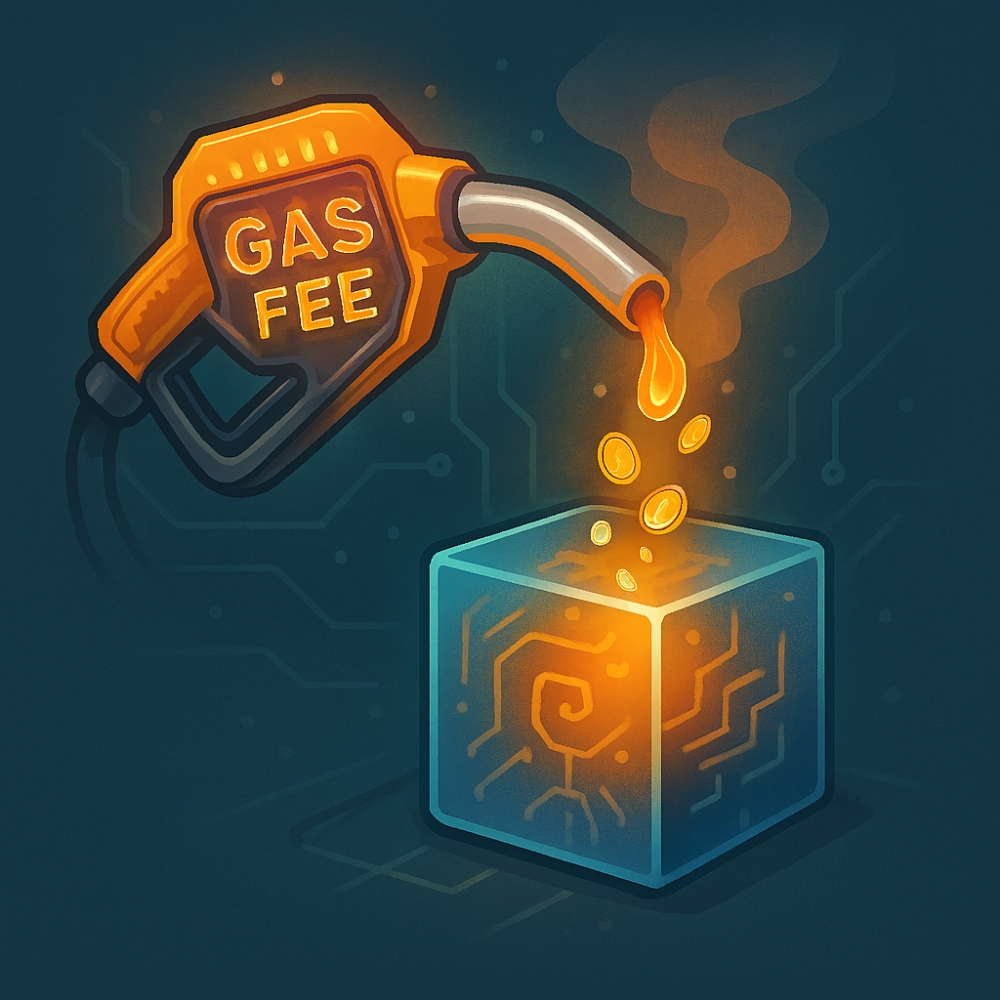
⛽ What Are Gas Fees?
Gas fees are the small payments you make to use a blockchain.
- Every time you send crypto, swap tokens, or use a dApp — you’re asking the network to do some work.
- Gas is the cost of using that network.
- No gas = no transaction.
🧠 Real-World Analogy:
- Think of the blockchain as a highway, and every transaction is a car.
- Gas = toll fee to drive on that highway.
- More traffic = higher toll.
- Simple route = cheap.
- Complicated route = pricey.
🔧 When Do You Pay Gas?
You’ll pay gas when you:
- Send ETH or tokens to someone
- Buy or sell an NFT
- Interact with DeFi protocols
- Approve a smart contract
- Deploy new code to the blockchain
Every action on-chain needs gas.
💵 What Do You Pay Gas With?
You pay gas in the blockchain’s native currency:
- Ethereum → ETH
- Polygon → MATIC
- Solana → SOL
- BNB Chain → BNB
Even if you’re using USDC or NFTs, you still need the native coin for gas.
⚙️ Why Are Gas Fees So Expensive Sometimes?
Because you’re bidding for space in the next block.
- More users = more demand = higher fees
- Big NFT mints or token launches? Gas spikes
- Low activity (late nights, weekends)? Gas drops
Gas fees = market-driven. They rise and fall like Uber surge pricing.
📊 What Affects the Gas Fee?
There are two main parts:
- Gas Price (GWEI) → how much you’re willing to pay per unit
- Gas Limit → how complex your action is
🧮 Final fee = Gas Price × Gas Used
A simple transfer might cost $0.30.
A complex DeFi swap could cost $20+.
Minting NFTs or deploying code? Could be $50+.
🪄 Can You Reduce Gas Fees?
Yes:
- Wait for low-traffic times
- Use Layer 2s like Arbitrum, Optimism, Base, zkSync
- Use cheaper chains like Polygon or Solana
- Choose “Low” speed if you’re not in a rush
- Bundle actions when possible
TL;DR:
Gas fees = tolls you pay to use the blockchain.
They power the network, go up with traffic, and are essential for any on-chain action.
No gas, no go.
---