NFT

🎨 NFT
What Is an NFT?
NFT stands for “Non-Fungible Token.”
That sounds complicated — but it just means:
A unique digital item that you can own, prove ownership of, and trade on the blockchain.
Think of it as a certificate of ownership — but for something online.
🔄 Fungible vs Non-Fungible
Let’s simplify:
- Fungible = interchangeable
- $1000 is always worth $1000, no matter which note you hold
- 1 Bitcoin = 1 Bitcoin
- Non-Fungible = unique
- Your passport, house deed, or Mona Lisa = can’t be swapped 1:1 with another
NFTs are non-fungible — each one is different, with its own identity.
🧠 Real-World Analogy:
Think of an NFT as a digital deed.
- You buy a digital artwork
- The NFT proves you own the original
- Everyone can see it on the blockchain
- It can’t be forged, copied, or stolen (unless you give away your keys)
Owning the JPEG isn’t the flex.
Owning the NFT that proves it’s the official original? That’s the real value.
🖼️ What Can NFTs Represent?
NFTs aren’t just pixel art. They can be:
- 🎨 Art
- 🎮 In-game items
- 🎟️ Event tickets
- 🎶 Music or album rights
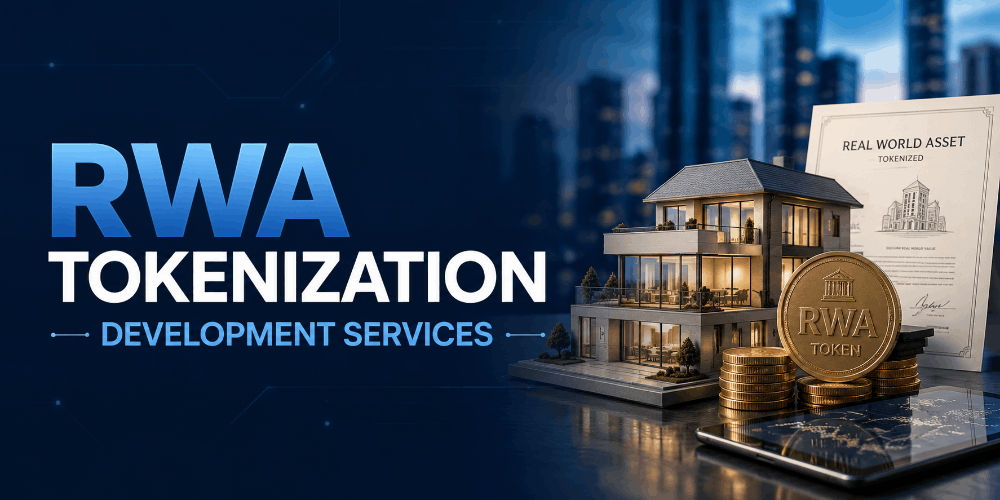
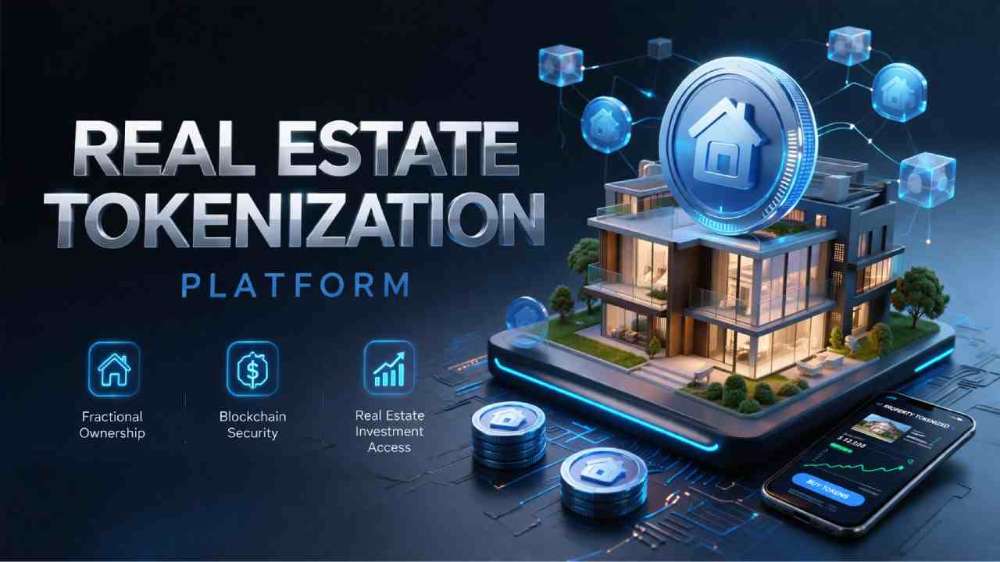
- 🧾 Real estate ownership
- 🧬 Identity/credentials
Anything unique and digital can be represented by an NFT.
🌍 Why NFTs Matter
They let digital ownership become real:
- Artists can sell work without middlemen
- Gamers can own items outside of games
- Event organizers can issue unforgeable tickets
- Musicians can get paid automatically via smart contracts
You now own part of the digital world — not just rent it.
⚙️ How Do They Work?
- NFTs live on blockchains like Ethereum, Solana, Polygon, etc.
- Each NFT is a token with:
- A unique ID
- A link to the digital file (art, music, etc.)
- Proof of history & ownership
- Wallets (like MetaMask) hold NFTs like collectibles
- You can trade them on marketplaces like OpenSea, Blur, or Magic Eden
🚩 What Are the Risks?
- Some NFTs are just hype & speculation
- Market is volatile — prices can crash overnight
- Scams and fake collections exist
- You don’t always own the actual media (just the token that links to it)
NFTs are powerful — but always DYOR (Do Your Own Research).
TL;DR:
NFTs = digital proof of ownership.
They’re non-copyable, verifiable, and tradeable assets — built on blockchains.
They can represent art, music, game items, access passes, and more.
It’s how the internet finally got ownership.
Check out my post on 𝕏: