Why Static DeFi Bots Keep Losing And How Multi Agent AI on Solana (Cortex) Finally Adapts to Win
I’ve spent months testing DeFi bots, thinking I finally found something that works… only to watch my positions get crushed the second the market shifted.
It’s frustrating, exhausting, and honestly a little discouraging.
--
You know the feeling: it looks smart on paper, follows a set of rules, promises steady returns… until the market actually changes.
Suddenly it’s overleveraged, frozen in place, or missing every opportunity.
That’s the problem with “set & forget” bots; they assume the market stays the same, but crypto never does.
Prices move unpredictably, liquidity shifts in seconds, funding rates spike or collapse… and a single static strategy can lose it all.
--
@cortexagent
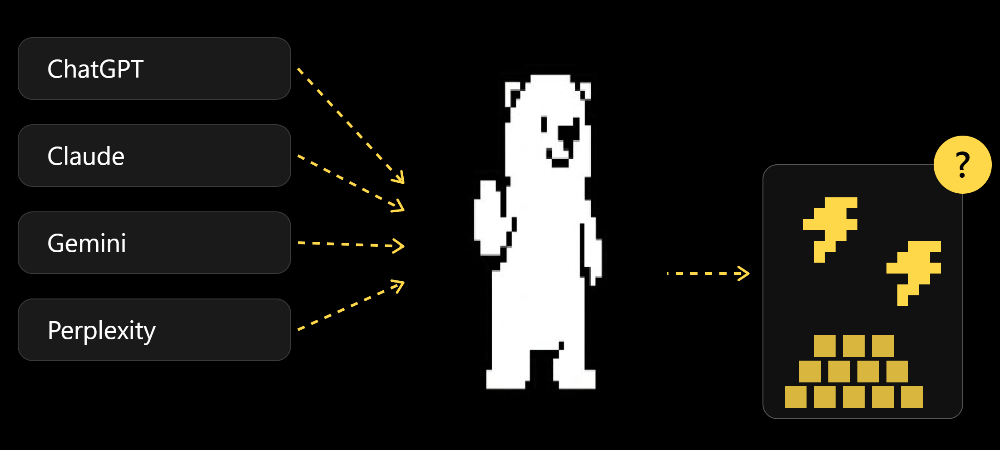
exists to fix that: a multi agent AI system on Solana that debates, adapts, and adjusts in real time before any trade executes, so your strategy evolves alongside the market instead of falling behind.
What is regime heterogeneity & why it kills static strategies.
Most people underestimate how intricate crypto markets actually are; they don’t move in a single, predictable pattern.
Instead, they cycle through distinct phases: accumulation, markup, distribution, markdown, and crisis. Each phase has its own character.
--
Accumulation tends to be gradual and controlled. Markup phases accelerate quickly with strong bullish momentum.
Markdown periods can be sharp and unforgiving. Crisis conditions unfold rapidly, often with extreme volatility.
--
Static trading bots fail to recognize these shifts.
They apply the same logic to every market condition, treating each candle identically.
As a result, they may overtrade during slow accumulation, miss strong upside during a markup, or suffer severe losses in a crash.
This variation across market regimes, or regime heterogeneity, is what quietly undermines rigid strategies.
--
Cortex addresses this by continuously identifying the active regime and adapting in real time.
It dynamically adjusts capital allocation, rebalances strategy weightings, and tightens or loosens risk controls, helping ensure the system stays responsive when market conditions change abruptly.