Safety in Crypto and Web3: A Complete Guide to Protecting Your Digital Assets in 2026

The world of crypto and Web3 has created massive opportunities. From decentralized finance (DeFi) and NFTs to blockchain gaming and tokenized assets, millions of people are building wealth and businesses in this space. But alongside opportunity comes risk.
If you’re investing, trading, building, or simply exploring crypto, safety should be your number one priority.
This in-depth guide will walk you through everything you need to know about crypto safety, Web3 security risks, and practical steps to protect your funds and identity.
What Is Web3 and Why Safety Matters
Web3 represents the next evolution of the internet — a decentralized ecosystem powered by blockchain technology. Instead of relying on centralized companies like Facebook or Google to store and control your data, Web3 applications run on decentralized networks like Ethereum.
In traditional finance, if someone hacks your bank account, you can call customer service. In crypto, there is no customer support desk. If your funds are stolen, they are often gone forever.
That’s why understanding crypto security is not optional — it’s essential.
The Biggest Security Risks in Crypto and Web3
Before learning how to stay safe, you need to understand what you’re protecting yourself from.
1. Phishing Attacks
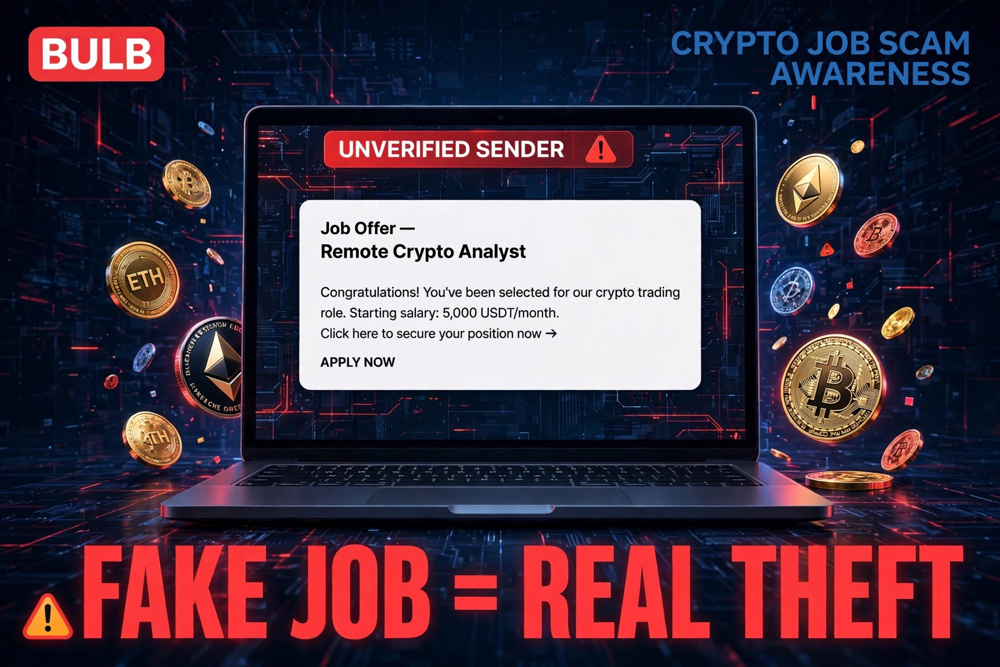
Phishing is one of the most common crypto scams. Attackers create fake websites, emails, or social media pages that look identical to legitimate platforms like Binance or MetaMask.
When you enter your login details or seed phrase, they gain full control of your wallet.
Phishing can come through:
Fake Twitter/X accounts
Telegram or Discord DMs
Sponsored ads on search engines
Fake airdrop links
Golden Rule: No legitimate platform will ever ask for your seed phrase.
2. Rug Pulls
A rug pull happens when developers launch a token or NFT project, attract investors, then suddenly withdraw liquidity and disappear.
This is common in DeFi platforms built on networks like Binance Smart Chain and Solana.
Warning signs:
Anonymous developers
No smart contract audit
Unrealistic returns (e.g., 1,000% APY)
Locked comments in community channels
3. Smart Contract Exploits
Even legitimate platforms can be hacked. Smart contracts — self-executing code on the blockchain — may contain vulnerabilities.
Major exploits have occurred on platforms like:
Ronin Network
Wormhole
Billions of dollars have been lost due to coding flaws.
This is why audits from firms like CertiK are important.
4. Private Key and Seed Phrase Theft
Your seed phrase is the master key to your crypto wallet. If someone gets it, they control everything.
Common ways people lose their keys:
Saving seed phrase in screenshots
Storing in email drafts
Cloud storage backups
Sharing with fake “support agents”
Never store your seed phrase digitally unless it’s encrypted.
5. Malware and Clipboard Hijacking
Some malware monitors your clipboard. When you copy a wallet address, it replaces it with the attacker’s address.
You think you’re sending funds to a friend — but you’re actually sending it to a hacker.
Always double-check the first and last four characters of wallet addresses before confirming transactions.
Essential Crypto Safety Practices
Now let’s talk solutions. Here’s how to protect yourself in Web3.
1. Use a Hardware Wallet
A hardware wallet stores your private keys offline. Even if your computer is compromised, your crypto remains safe.
Popular options include:
Ledger
Trezor
If you’re holding large amounts of crypto, this is non-negotiable.
2. Enable Two-Factor Authentication (2FA)
For exchanges like Coinbase or Kraken, enable 2FA using an authenticator app — not SMS.
SIM swap attacks are common. Hackers can hijack your phone number and reset your exchange password.
Use apps like Google Authenticator or Authy instead.
3. Separate Your Wallets
Smart crypto users maintain multiple wallets:
Cold Wallet – Long-term storage
Hot Wallet – Daily transactions
DeFi Wallet – High-risk protocol interactions
This minimizes exposure if one wallet gets compromised.
4. Verify URLs Carefully
Always:
Bookmark official websites
Avoid clicking links in DMs
Check domain spelling carefully
Instead of searching “MetaMask login” on Google and clicking ads, manually type the URL.
5. Revoke Smart Contract Permissions
Many users forget that when you connect your wallet to a dApp, you approve spending permissions.
Over time, this creates risk.
Use tools like:
Etherscan
Revoke.cash
Regularly revoke token approvals you no longer need.
DeFi Safety Tips
Decentralized finance offers huge yields — but also huge risks.
Before investing in any DeFi protocol:
Check Total Value Locked (TVL)
Look for audit reports
Research the founding team
Evaluate tokenomics carefully
Avoid projects promising “guaranteed” profits
Remember: High APY often equals high risk.
NFT and Airdrop Safety
NFT scams and fake airdrops are everywhere.
Never:
Mint from random links
Sign blind transactions
Approve unknown smart contracts
Always review what you are signing in your wallet pop-up.
If you see a random NFT appear in your wallet, ignore it. Interacting with scam NFTs can drain funds.
Social Engineering: The Human Weakness
The biggest vulnerability in crypto isn’t technology — it’s psychology.
Scammers use:
Fear (“Your wallet is compromised!”)
Urgency (“Limited mint, act now!”)
Authority (“I’m from MetaMask support.”)
Greed (“Guaranteed 100x coin.”)
Slow down. Think before you click.
No legitimate support team will DM you first.
Crypto Safety in Nigeria and Emerging Markets
Since you’re operating in Nigeria, it’s important to note:
Crypto adoption is extremely high in the country. This also means scammers actively target Nigerian users on platforms like Telegram, WhatsApp, and Twitter.
Be cautious with:
P2P trading
Telegram trading groups
Investment “mentors”
Signal groups promising daily profits
Always use escrow services and trusted platforms.
Web3 Identity Protection
Web3 isn’t just about money — it’s about digital identity.
Protect:
ENS domains
NFT collections
Governance tokens
Consider using separate wallets for governance voting and DeFi trading.
Exchange vs Self-Custody: Which Is Safer?
Exchanges like FTX collapsed in 2022, reminding everyone of one rule:
Not your keys, not your coins.
If you keep crypto on centralized exchanges, you rely on their security and financial stability.
Self-custody gives you control — but also responsibility.
The safest approach?
Store long-term holdings in cold wallets
Keep only trading funds on exchanges
Recognizing Red Flags in Crypto Projects
Before investing in any Web3 project, check for:
No whitepaper
Fake team members
Copied website design
No GitHub activity
Overhyped marketing, no product
Transparency builds trust.
The Future of Web3 Security
Security in crypto is evolving.
We are seeing growth in:
Multi-signature wallets
Decentralized identity systems
AI-powered scam detection
Insurance protocols for DeFi users
Blockchain security companies are also improving smart contract auditing processes.
But one thing will never change:
User education remains the strongest defense.
Final Thoughts: Stay Smart, Stay Safe
Crypto and Web3 are powerful. They offer financial freedom, ownership, and innovation like never before.
But freedom comes with responsibility.
To summarize:
Never share your seed phrase
Use hardware wallets
Enable 2FA
Verify links
Separate wallets
Research before investing
Revoke unused permissions
Avoid hype-driven decisions
In crypto, security isn’t optional — it’s survival.
The people who win long-term aren’t just the smartest investors.
They’re the safest ones.