The Architect of Modern Crime
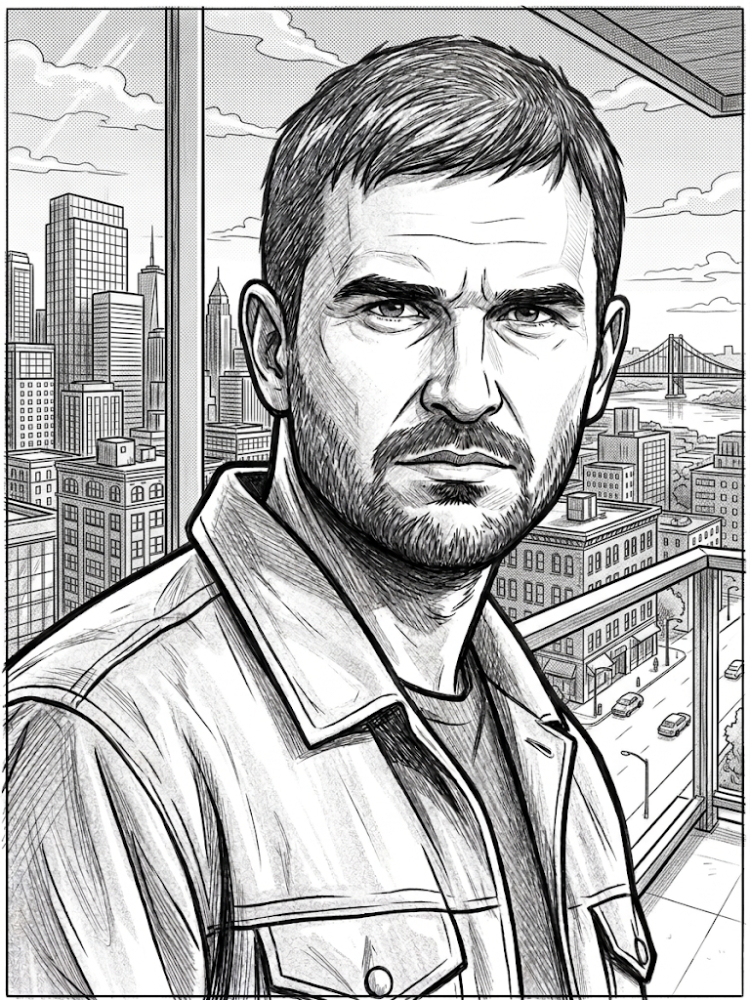
How Source Code Became the Foundation of a Global Empire of Terror
Paul Le Roux is a figure who redefines the concept of the 21st-century criminal. Often described as the "Jeff Bezos of the underworld," he did not fit the stereotype of a traditional gangster. He was a brilliant programmer who applied the scaling logic of Silicon Valley startups to the dark reaches of the global underground, building an empire where algorithms and encryption served the trade of blood, weapons, and drugs.
Roots: Genius Hidden in Code

In 1999, he released E4M (Encryption for the Masses). In the manifesto accompanying the software, he wrote about the necessity of protecting privacy from government surveillance. It was the E4M code that became the foundation for the legendary TrueCrypt—a tool that for years was the industry standard for secure data encryption.
It is a bitter irony of fate that a tool created in the name of civil liberty later became the shield for his own crimes. Frustrated by the lack of spectacular profits from legal activities, Le Roux realized that the same skills used to protect data could be used to build an untouchable financial empire.
RX Limited: The Digital Pharmaceutical Cartel
Le Roux’s first great success was not illegal drugs, but legal medication. In 2004, he launched RX Limited—a network of online pharmacies and call centers. The system was brilliantly simple: American patients ordered potent painkillers (such as Tramadol) without actual prescriptions, and corrupt doctors and pharmacists approved the orders for a fee.
The business generated $250–300 million annually. Le Roux managed it in flip-flops, sitting in penthouses in Manila, treating the drug trade like pure logistics and code optimization.
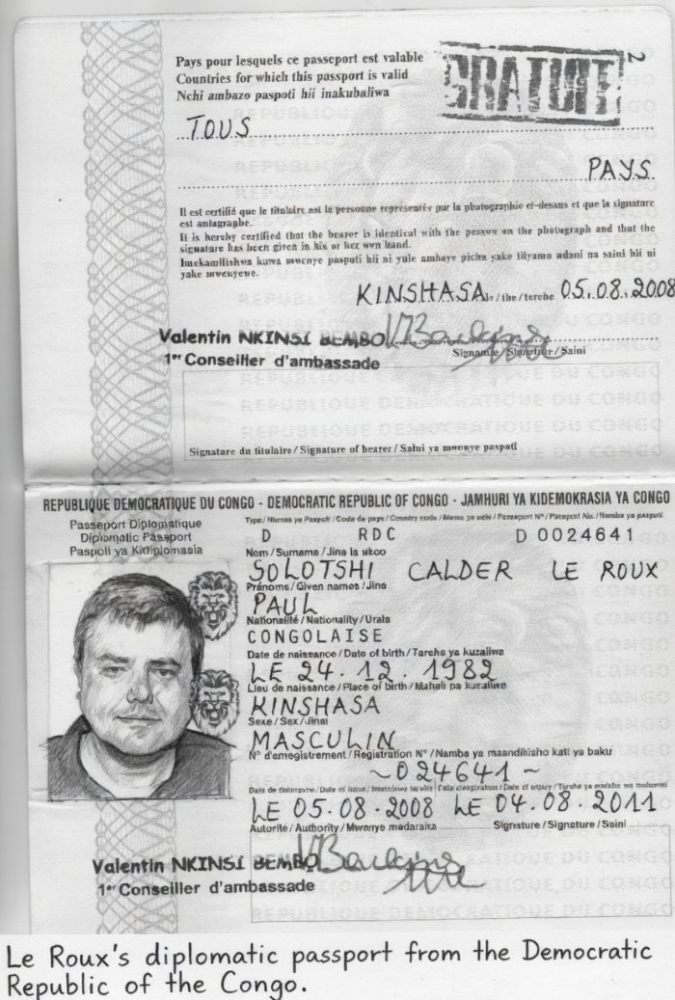
The Death Startup: Drugs, Gold, and IEDs
Over time, the programmer's ambitions expanded beyond pharmacy. Using his massive profits, he created a structure that operated like a transnational corporation:
- North Korean Narcotics: He imported methamphetamine of an incredible 96% purity, which he exchanged for Colombian cocaine, optimizing supply chains much like Amazon.
- Arming Regimes: He sold Iran a formula for cheap and deadly Improvised Explosive Devices (IEDs) made from commonly available chemicals. For this "destruction algorithm," he received $5 million in gold bars.
- Money Laundering: He stored cash in hundreds of shoeboxes and then smuggled it to Hong Kong, where it was converted into gold and hidden in safe houses around the world.
- Project "Somalia": He planned to create his own quasi-state. In Somalia, he began building a private city with a port and a runway, intended to be a global hub for arms trafficking and a base for his private army.
Culture of Fear: Executions by Spreadsheet
Le Roux treated murder as a line item in a budget. To maintain discipline, he hired Joseph Hunter (alias Rambo), a former US Army sniper.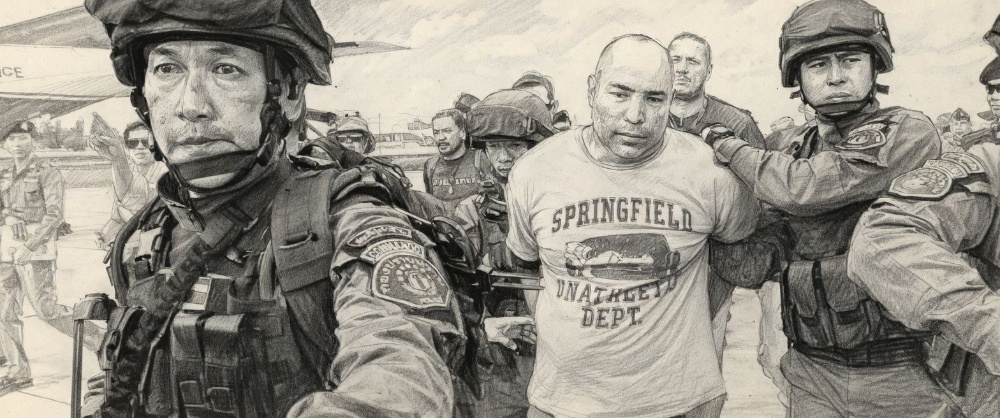
For Le Roux, eliminating people was merely removing "faulty nodes" in the system. A chilling example was the execution of real estate broker Catherine Lee in 2012. After carrying out the hit near Manila, the killers sent him a photo of the body as proof of completion—to the boss, it was simply a closed "ticket" in a support system.
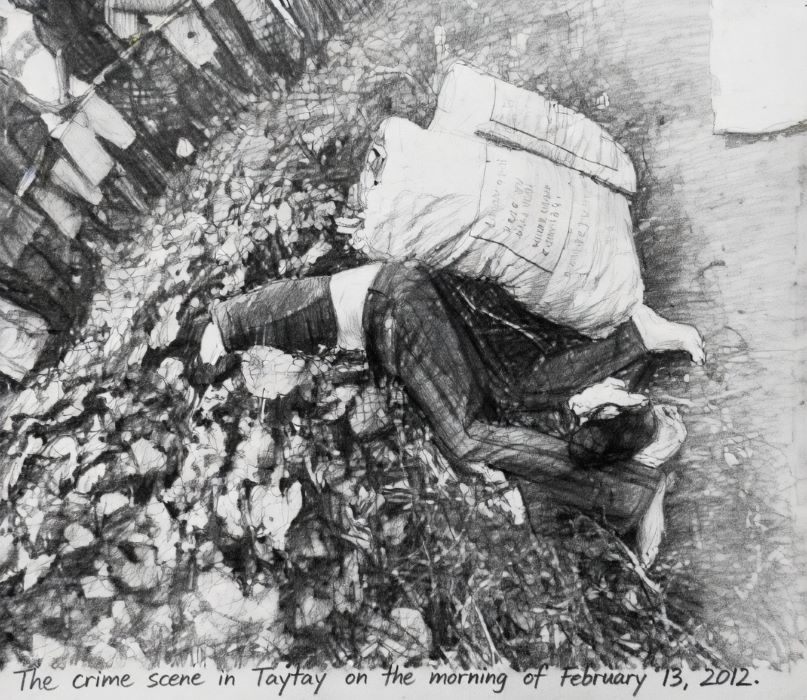
The Fall: When the Algorithm Fails
Despite his obsessive encryption of communication and use of proprietary technological solutions, Le Roux was defeated by the human factor. His growing paranoia led him to order a hit on one of his trusted men. That man, instead of waiting to die, fled to the DEA (Drug Enforcement Administration).
Agents set a masterful trap. In 2012, he was lured to Liberia for a meeting with a supposed representative of a Colombian cartel. In a hotel in Monrovia, unaware he was being recorded, Le Roux proudly boasted about his crimes. He was arrested the moment he attempted to offer the agents a massive bribe.
The Great Betrayal and Epilogue
Following his arrest, Le Roux made one final, cold calculation. He decided to betray all of his associates to save himself. For nearly a year, while in US custody, he pretended to his subordinates that he was still free. He sent emails and issued orders that were, in reality, DEA sting operations. In this way, he set up his own mercenaries, including Joseph Hunter, directly into the hands of authorities in Thailand.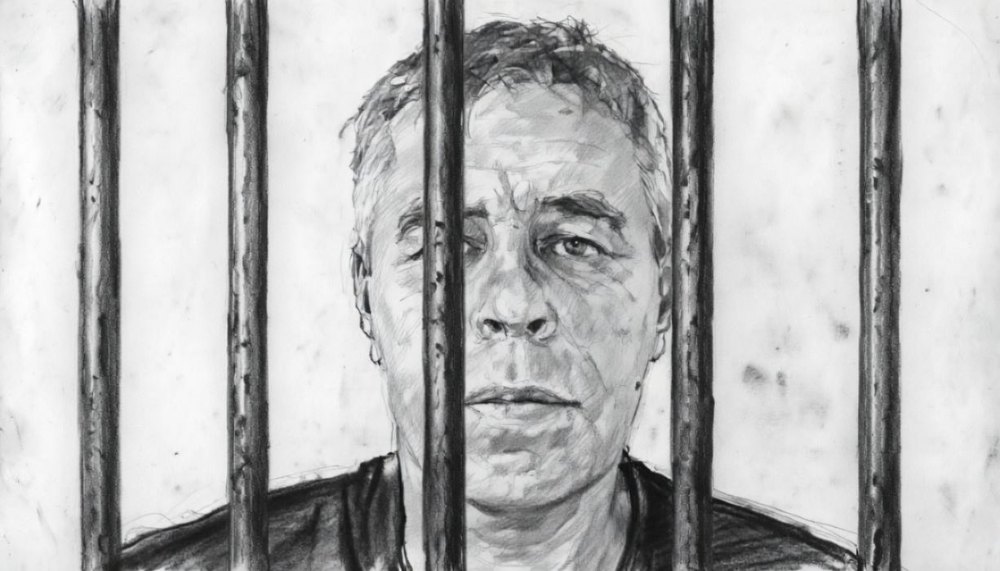
The story of Paul Le Roux remains a warning of what happens when a brilliant technological mind is stripped of a moral compass and uses tools built for freedom to construct an empire of tyranny.
Resources:
https://www.youtube.com/watch?v=4l3usJzWMf8
https://en.wikipedia.org/wiki/Paul_Le_Roux
https://www.binance.com/pl/square/post/23805244696345
https://niebezpiecznik.pl/post/tworca-truecrypta-to-miedzynarodowy-handlarz-bronia/