How Do You Plan and Launch an RWA Tokenization Platform for Institutional or Enterprise Use?

The tokenization of real-world assets (RWAs) has emerged as a transformative force in modern finance, bridging traditional financial markets with blockchain technology. Institutional investors, private equity firms, and enterprises are increasingly exploring tokenization platforms to streamline asset management, enhance liquidity, and unlock new avenues for capital raising. However, planning and launching a successful RWA tokenization platform requires a structured approach that balances regulatory compliance, technical robustness, and market adoption. This blog explores the essential steps, best practices, and strategic considerations for designing and deploying an RWA tokenization platform tailored for institutional or enterprise use.
Understanding RWA Tokenization
At its core, RWA tokenization involves converting physical or financial assets such as real estate, commodities, bonds, or invoices into digital tokens on a blockchain. These tokens represent fractional ownership, rights, or claims over the underlying assets. Unlike purely digital assets like cryptocurrencies, RWAs have inherent intrinsic value anchored in tangible or legal entities, making them highly attractive to institutional investors seeking security, transparency, and predictable returns.
Tokenization provides multiple benefits, including enhanced liquidity by enabling fractional ownership, faster settlement through blockchain-enabled transfers, and improved transparency via immutable ledger records. For enterprises, tokenizing assets can facilitate alternative fundraising methods, reduce dependency on traditional intermediaries, and broaden investor access across geographies.
Step 1: Define the Platform’s Purpose and Asset Class Focus
The first step in launching an RWA tokenization platform is defining its strategic purpose and identifying the asset classes it will target. Enterprises must clarify whether the platform is designed to tokenize real estate properties, commodities like gold and oil, private equity stakes, or financial instruments such as bonds and invoices. Each asset type comes with unique regulatory, operational, and technical considerations.
For instance, tokenizing commercial real estate requires detailed property valuation, title verification, and regulatory approvals under local real estate laws. In contrast, tokenizing bonds or receivables demands adherence to securities regulations and compliance with Know Your Customer (KYC) and Anti-Money Laundering (AML) requirements. By clearly defining the platform’s asset focus, enterprises can streamline development, risk assessment, and regulatory compliance from the outset.
Step 2: Regulatory Compliance and Legal Structuring
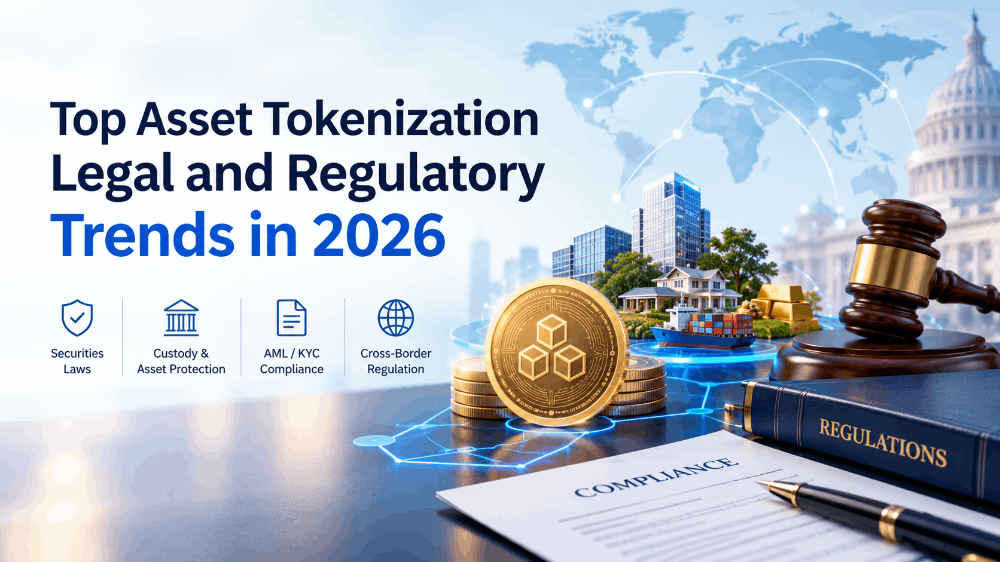
Regulatory compliance is the backbone of any institutional-grade RWA tokenization platform. Since the platform deals with tokenized representations of physical or financial assets, it must comply with securities laws, asset registration norms, and jurisdiction-specific regulations. Engaging legal experts early in the planning process ensures that the platform’s design aligns with relevant regulations and mitigates future legal risks.
Key legal considerations include the choice of jurisdiction for the platform, the legal status of tokenized assets, investor accreditation, and the formulation of token ownership agreements. Platforms may opt for security tokens under frameworks like the U.S. Securities and Exchange Commission (SEC) regulations, European Union’s Markets in Crypto-Assets (MiCA) rules, or other region-specific guidelines. Structuring the token as a legally recognized financial instrument ensures enforceability of rights and strengthens institutional confidence.
Step 3: Platform Architecture and Technical Infrastructure
The technical architecture of an RWA tokenization platform must ensure scalability, security, and interoperability with existing financial systems. At a high level, the platform comprises several layers:
- Blockchain Layer: Selecting an appropriate blockchain is critical. Enterprises often choose permissioned or hybrid blockchains to balance transparency with privacy, as institutional investors may require confidentiality of transactions and holdings.
- Smart Contract Layer: Smart contracts automate token issuance, transfers, dividend distribution, and compliance checks. They ensure that all asset-related operations occur transparently and according to predefined rules, reducing reliance on manual processes.
- Custody and Wallet Management: Secure digital custody solutions are essential for storing tokenized assets. Wallets must integrate multi-signature and institutional-grade security protocols to prevent unauthorized access.
- Compliance and KYC/AML Integration: Built-in compliance modules streamline investor verification, transaction monitoring, and reporting. Automated AML and KYC processes enhance operational efficiency while adhering to regulatory obligations.
- Integration with Traditional Systems: The platform should support integration with existing accounting, ERP, and trading systems to enable seamless asset management and reporting.
- User Interface: An intuitive interface ensures that investors and administrators can navigate the platform effectively, review asset information, execute transactions, and monitor performance.
Step 4: Asset Onboarding and Valuation
The next crucial step is asset onboarding, which involves the digitization, verification, and valuation of real-world assets. Accurate asset representation is fundamental to building investor trust. Enterprises must conduct thorough due diligence, including legal verification of ownership, assessment of asset quality, and valuation by certified professionals.
For tokenization, assets are typically divided into fractional units, each represented by a digital token. The platform must define tokenomics, such as total token supply, pricing, dividend or yield mechanisms, and redemption processes. Clear communication of these parameters ensures transparency and minimizes disputes among investors.
Step 5: Token Design and Governance
Token design extends beyond representing ownership—it involves structuring the token’s economic and governance features. Security tokens may offer voting rights, dividend entitlements, or profit-sharing mechanisms. Enterprises must establish governance protocols defining how decisions about the underlying asset, token supply, and operational parameters are made.
Robust governance is particularly important for institutional platforms, as investors expect transparency, accountability, and a clear framework for dispute resolution. Incorporating decentralized governance features, such as stakeholder voting on key decisions, can further enhance credibility and engagement.
Step 6: Platform Security and Risk Management
Security is paramount in an RWA tokenization platform, given the intersection of digital and physical asset ownership. Cybersecurity measures must encompass smart contract audits, penetration testing, secure key management, and encryption of sensitive data. Institutional investors will also expect insurance or risk mitigation mechanisms to cover potential operational or technical failures.
Additionally, risk management strategies should address market, operational, and liquidity risks. Platforms can implement features like automated buyback mechanisms, escrow services, or insurance pools to protect investors and maintain market stability.
Step 7: Investor Onboarding and Market Strategy
An institutional RWA tokenization platform requires a clear strategy for attracting investors. This involves defining target segments, onboarding procedures, and investor education programs. Since RWA tokenization is relatively new, institutional investors may require detailed insights into the asset’s valuation, token economics, legal framework, and expected returns.
Platforms can leverage private placements, partnerships with investment banks, and targeted campaigns to attract accredited investors. Transparent reporting, real-time asset performance dashboards, and periodic audits further build investor confidence and market credibility.
Step 8: Launch Strategy and Pilot Testing
Before full-scale deployment, pilot testing or a phased launch is essential to validate platform functionality, regulatory compliance, and operational workflows. A controlled pilot involving a limited set of assets and investors helps identify technical issues, compliance gaps, and user experience improvements.
The launch strategy should also consider liquidity mechanisms, such as secondary trading platforms or internal marketplaces, to facilitate seamless token transfers. Clear communication of the launch timeline, investor rights, and support infrastructure ensures smooth adoption and minimizes confusion.
Step 9: Continuous Compliance and Auditing
RWA tokenization platforms operate in dynamic regulatory and market environments. Continuous compliance monitoring and auditing are critical for maintaining trust and operational integrity. Regular third-party audits, automated compliance reporting, and updates to smart contracts in line with evolving regulations ensure the platform remains compliant and secure.
Transparency in reporting, such as asset valuation updates, performance metrics, and investor communications, enhances credibility. Institutional investors expect regular, verifiable reporting to manage their risk and make informed decisions.
Step 10: Scaling and Future Enhancements
Once operational, the platform can expand by onboarding additional asset classes, integrating cross-border investment opportunities, and introducing innovative financial products like tokenized debt, structured products, or asset-backed lending. Enterprise-grade platforms may also implement interoperability protocols to connect with other blockchain ecosystems, enhancing liquidity and market reach.
Continuous technological upgrades, such as Layer 2 scaling solutions, zero-knowledge proofs for privacy, and AI-driven compliance analytics, further optimize platform efficiency and investor experience. Scalability planning ensures the platform can handle increasing transaction volumes, diverse asset types, and global participation without compromising security or performance.
Key Takeaways
Launching an RWA tokenization platform for institutional or enterprise use is a complex but highly rewarding endeavor. The process requires a multi-disciplinary approach encompassing legal, technical, financial, and operational expertise. By carefully defining asset focus, ensuring regulatory compliance, designing secure and scalable architecture, and prioritizing transparency and governance, enterprises can create platforms that not only unlock liquidity but also attract institutional confidence and long-term market participation.
Tokenization represents a paradigm shift in asset ownership and investment strategy. For enterprises, it provides the opportunity to leverage blockchain technology for efficiency, transparency, and global market access. By adopting a structured approach to planning, development, and launch, organizations can position themselves at the forefront of the evolving tokenized economy, bridging the gap between traditional finance and the digital future.