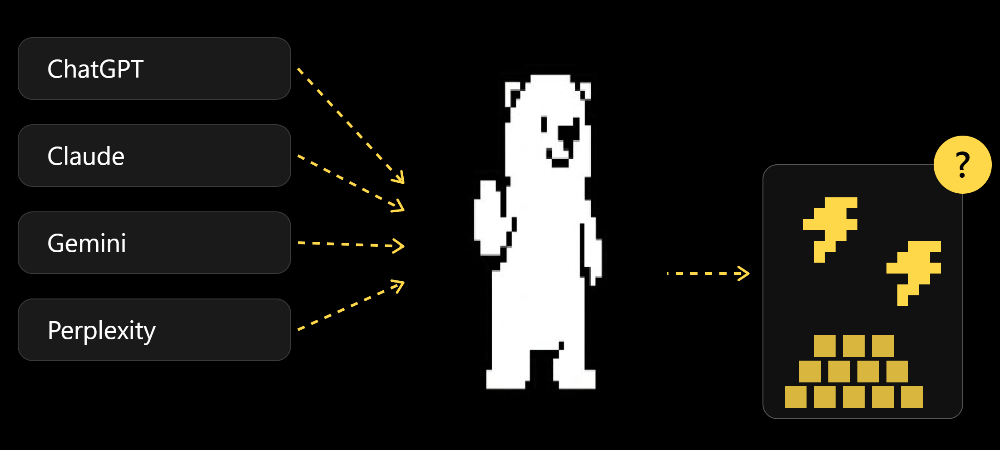
The Illusion of Transparency in Crypto

Introduction
Crypto is often described as transparent by nature.
Public blockchains, open ledgers, visible transactions — everything seems out in the open.
At least, that is the narrative.
But transparency in crypto is more complicated than it appears.
In many cases, what users experience is the illusion of transparency, not true openness or accountability.
Understanding this distinction is essential for anyone navigating the crypto ecosystem.
1. Why Crypto Claims to Be Transparent
The idea of transparency comes from blockchain itself.
Most blockchains are:
- Public
- Permissionless
- Auditable
Anyone can view transactions, wallet balances, and smart contract activity.
This visibility creates the impression that nothing can be hidden.
But visibility alone does not guarantee understanding or fairness.
2. Transparency vs Readability
Crypto data is public — but often unreadable.
For most users:
- Blockchain explorers are confusing
- Wallet addresses are anonymous strings
- Smart contract logic is difficult to interpret
When information exists but cannot be understood, transparency becomes symbolic rather than practical.
3. Anonymous Wallets Create False Clarity
Wallet addresses are public, not identities.
This creates a paradox:
- Transactions are visible
- The people behind them are not
Large holders, insiders, and manipulators can operate in plain sight without accountability.
Transparency without identity can hide power instead of exposing it.
4. Token Distribution Is Often Hidden in Plain Sight
Many projects claim fair token distribution.
In reality:
- Early investors hold massive allocations
- Vesting schedules are complex
- Insider wallets are disguised
The data may be public, but the truth is buried under technical complexity.
5. Open Code Does Not Mean Safe Code
Open-source smart contracts are praised for transparency.
However:
- Few users can audit code
- Bugs can remain unnoticed
- Backdoors may be subtle
Transparency without expertise does not equal security.
6. Centralized Control Behind Decentralized Labels
Many “decentralized” projects rely on:
- Centralized servers
- Private admin keys
- Core teams with override powers
These controls are often disclosed — but rarely emphasized.
Transparency exists, but users overlook it due to trust in branding.
7. Governance Transparency Is Often Misleading
On-chain governance looks democratic.
But in practice:
- Voting power is token-weighted
- Whales dominate decisions
- Participation is low
Governance processes are visible, yet outcomes are predictable.
This creates the illusion of collective control.
8. Transparency Does Not Prevent Manipulation
Market manipulation still thrives in crypto.
Examples include:
- Wash trading
- Insider trading
- Coordinated pumps
Even when transactions are public, detecting intent and coordination remains difficult.
Visibility does not automatically stop abuse.
9. Financial Transparency Without Accountability
Crypto shows what happened — not who is responsible.
When things go wrong:
- Funds are traced
- Wallets are known
- Responsibility is unclear
Without legal or social accountability, transparency has limits.
10. The Role of Complexity as a Shield
Complexity protects bad actors.
Layered systems, bridges, derivatives, and DeFi protocols create environments where:
- Only experts understand risks
- Average users rely on trust
- Exploitation becomes easier
Opacity grows inside transparent systems.
11. Marketing vs Reality
Crypto marketing often exaggerates transparency.
Buzzwords include:
- Fully transparent
- Community-owned
- Trustless
But real transparency requires:
- Clear communication
- Honest risk disclosure
- Accessible explanations
Marketing replaces education far too often.
12. Transparency Is Not the Same as Ethics
A system can be transparent and still unethical.
Examples include:
- Predatory tokenomics
- Exploitative incentives
- Unsustainable economic models
Transparency reveals actions — it does not justify them.
13. Why Users Fall for the Illusion
The illusion persists because:
- Transparency feels reassuring
- Complexity discourages deeper analysis
- Social proof replaces verification
Many users equate visibility with safety — a dangerous assumption.
14. What Real Transparency Should Look Like
True transparency in crypto requires:
- Clear explanations, not just data
- Honest disclosure of risks
- Understandable governance
- Visible accountability
Transparency must serve users — not confuse them.
15. Education as the Missing Layer
Transparency without education benefits only insiders.
Education allows users to:
- Interpret data
- Detect red flags
- Question narratives
Without education, transparency becomes performative.
16. Can the Illusion Be Fixed?
Yes — but it requires effort.
Projects must:
- Simplify information
- Highlight risks clearly
- Reduce unnecessary complexity
Users must:
- Stay skeptical
- Learn continuously
- Verify claims
Transparency is a shared responsibility.
Conclusion
Crypto is transparent — but not always honest.
The illusion of transparency emerges when:
- Data is public but inaccessible
- Power is visible but unchallenged
- Complexity replaces clarity
True transparency is not about showing everything —
it is about making truth understandable.
Without that, crypto risks recreating the same trust problems it promised to solve.
💬 Do you think crypto transparency protects users — or mainly insiders?
Share your thoughts below.