Reimagining Digital Ownership: White Label NFT Marketplaces in Art & Collectibles
Digital Art Is No Longer Experimental—It’s Becoming Infrastructure
The conversation around digital art has shifted. What began as experimentation with NFTs has matured into a serious discussion about ownership infrastructure, creator economics, and long-term value. In both the United States and the United Kingdom, established artists, galleries, auction houses, and cultural institutions are no longer asking whether NFTs belong in the art world—they are asking how to implement them responsibly.
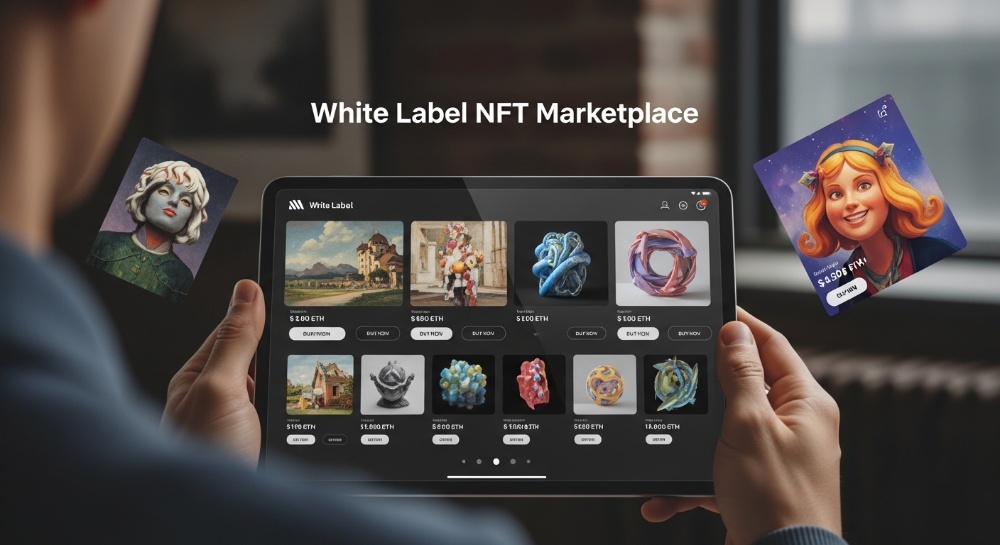
This is where the White Label NFT Marketplace has emerged as a practical solution. Rather than relying on open, generalized NFT platforms, art-focused organizations are deploying their own branded marketplaces that reflect curatorial standards, brand identity, and legal requirements. When executed with support from a White Label NFT Marketplace Development company, these platforms act as controlled digital environments for ownership, exchange, and provenance.
Key shifts driving this transition include:
- Increased demand for authenticity and traceability in digital art
- Greater involvement of established art institutions
- Preference for curated marketplaces over open listings
- Growing regulatory awareness in US and UK creative industries
White Label NFT Marketplace Development allows digital ownership to evolve as an extension of traditional art markets, not a replacement for them.
From Provenance to Permanence: Redefining Ownership in Digital Collectibles
Ownership in art has always been about more than possession. It includes authenticity, history, and cultural relevance. NFTs introduce a new layer by making ownership verifiable, transferable, and programmable.
White Label NFT Marketplace Solutions enable art organizations to encode these principles directly into their platforms. Instead of simply selling digital files, marketplaces represent structured ownership records that persist beyond individual transactions.
Key ownership enhancements include:
- Verifiable provenance stored on blockchain networks
- Transparent ownership history accessible to collectors
- Immutable artist attribution and licensing metadata
- Automated enforcement of resale terms
For collectors, this creates confidence. For artists, it ensures recognition and fair participation in secondary markets. For institutions in the US and UK, it aligns digital ownership with established art-world norms around authenticity and documentation.
Unlike open platforms, white-label environments ensure that ownership narratives are shaped by the brand, not by third-party marketplaces.
Why Curated Marketplaces Matter More Than Open NFT Platforms
One of the biggest challenges facing NFTs in art has been oversaturation. Open marketplaces prioritize volume, often at the expense of quality, context, and trust. Art-focused organizations are responding by adopting curated White Label NFT Marketplaces.
Curation delivers tangible advantages:
- Controlled onboarding of artists and collections
- Reduced exposure to speculative or low-quality assets
- Brand-aligned storytelling around each artwork
- Stronger collector trust and engagement
A White Label NFT Marketplace Development company can design workflows that mirror traditional gallery practices, including approvals, drop schedules, and limited releases. This approach resonates particularly well in the UK and US, where collectors value reputation and institutional credibility.
Curation also supports long-term value creation by preventing dilution and reinforcing scarcity—two pillars of art economics.
Monetization Without Compromising Artistic Integrity
NFTs introduce new revenue models, but sustainability depends on thoughtful implementation. White Label NFT Marketplace Solutions allow art organizations to design monetization strategies that benefit creators without undermining artistic value.
Common revenue structures include:
- Primary sales directly from artists or galleries
- Built-in royalties on secondary market transactions
- Membership or patronage-based NFT access models
- Digital extensions of physical artworks
Because the marketplace is owned and operated by the brand, pricing logic, auction formats, and resale rules can be aligned with artistic goals rather than platform incentives.
This flexibility is particularly important for institutions operating across the US and UK, where pricing transparency and consumer protection expectations differ. White Label NFT Marketplace Development enables compliance while preserving creative control.
Technical Design Choices That Shape Trust and Longevity
Art-focused NFT platforms require a different technical philosophy than mass-market trading platforms. Stability, data permanence, and integrity matter more than rapid feature iteration.
Key technical priorities include:
- Long-term accessibility of artwork metadata
- Secure storage for high-resolution assets
- Clear separation between ownership records and display layers
- Support for future interoperability
Integration capabilities are equally important:
- CRM systems for collector relationships
- E-commerce platforms for physical-digital bundles
- Exhibition and event management tools
A capable White Label NFT Marketplace Development company ensures that technology decisions support longevity rather than short-term trends. This is especially critical for cultural assets intended to retain value over decades.
Navigating Legal, Ethical, and Regulatory Expectations
As NFTs enter mainstream art markets, legal and ethical scrutiny increases. In the US and UK, regulators and consumers alike expect transparency, fairness, and accountability.
Key considerations include:
- Intellectual property rights and licensing clarity
- Consumer protection and refund policies
- Environmental impact and sustainability disclosures
White Label NFT Marketplace Service Providers often assist with embedding compliance features directly into platform workflows, such as clear ownership disclosures and transaction records.
Ethical implementation also matters. Responsible marketplaces avoid misleading scarcity, excessive speculation, and unclear rights transfer. This approach protects both brand reputation and collector trust.
The Future of Art Markets in a Tokenized World
NFTs are not replacing traditional art markets—they are extending them. White Label NFT Marketplaces provide the infrastructure needed to integrate digital ownership into established cultural ecosystems.
Future developments are likely to include:
- Deeper connections between physical and digital art
- Cross-platform recognition of ownership credentials
- Long-term digital archives for cultural preservation
For artists, collectors, and institutions, White Label NFT Marketplace Development represents a shift toward ownership models that are transparent, programmable, and brand-controlled.
Digital Ownership on Artistic Terms
The rise of White Label NFT Marketplaces marks a turning point in how art and collectibles are owned and exchanged in the digital age. By combining blockchain technology with curated design, regulatory awareness, and brand control, these platforms allow art organizations to embrace innovation without sacrificing integrity.
Through collaboration with experienced White Label NFT Marketplace Development companies and Service Providers, galleries, artists, and institutions in the US and UK can build digital ownership ecosystems that are credible, sustainable, and aligned with long-term artistic value.
Digital ownership is no longer a trend—it is becoming part of the foundation of modern art markets.