What The Tech?! Injection Moulding

Injection moulding would provide a technological revolution.
When you think of injection moulding, you often think of modern designs that allow for the construction of plastic components that have intricate designs. This isn’t always the case, and the concept of moulded design would start much earlier than most people would realise.
Overall, though, the history of injection moulding is a pretty interesting story, and the first iterations would have absolutely nothing to do with plastic at all!
While the Second World War would help to mainstream the process, the path to that point was a much more interesting story.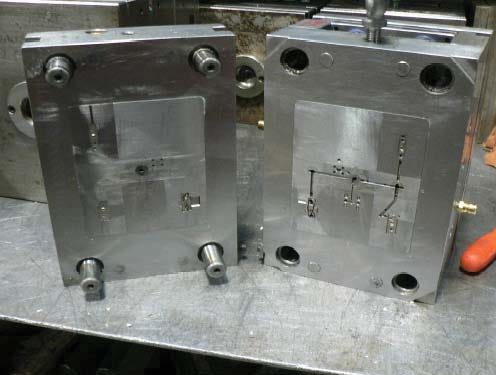
Concept
While today it’s plastic bottles, leisure equipment and food storage products, the early days of injection moulding were much more basic. It would be the early 1870s when John Wesley Hyatt would develop one of the first processes that would introduce the concept of injection moulding.
His system would use cellulose to manufacture billiard balls precisely. While these were designed for leisure, the value of the process was seen in the production stages, and as such, over the next two decades, a variety of machines would be put into production. These aimed to produce a variety of small plastic components. It’s worth mentioning, though, that these early machines were very rudimentary, with a hydraulic design and mostly manual operation.
They did, however, start to lay the foundations for Bakelite, which would be an important part of the evolution process.
This would happen at the turn of the next century. In 1907, Leo Baekeland would invent a thermosetting plastic that would retain its shape after being moulded. Bakelite was also durable and a great electrical insulator, giving it perfect properties for mass production.
At this stage, we were not anywhere near the processes that we’d see in our modern world. But by now, we’d see a firm concept established, regular use in production and the stage set for this adoption to grow at scale as the world industrialised.
Things were starting to get interesting.
Implementation
While the Second World War would lay the foundations for large-scale technical development during the rebuilding era, for Bakelite and injection moulding, these foundations were already there prior to the conflict. What would make things interesting would be the accompanying improvements in manufacturing that would enable the broad-scale adoption of Bakelite and injection-moulded components, generally speaking.
With early machines lacking both refinement and automation, improvements regarding this would see the rapid development of both speed and accuracy in manufacturing. The improved designs would mean that components could be moulded on a production line faster and more precisely than ever before. In a peacetime world hungry for consumer goods, this would create new demand for products that hadn’t been seen historically.
It wasn’t just the machines that helped enable broad-scale adoption, though. Improvements in materials science during the post-war era and the space race would create a whole new range of synthetic polymers that were suited perfectly to the injection moulding process.
The boom in industrial electronics and raw computing power would also contribute, providing the ability to automate production lines and produce products with a greater level of refinement and technical detail.
It was a perfect storm of technology development on several fronts that would really unlock global adoption of the process.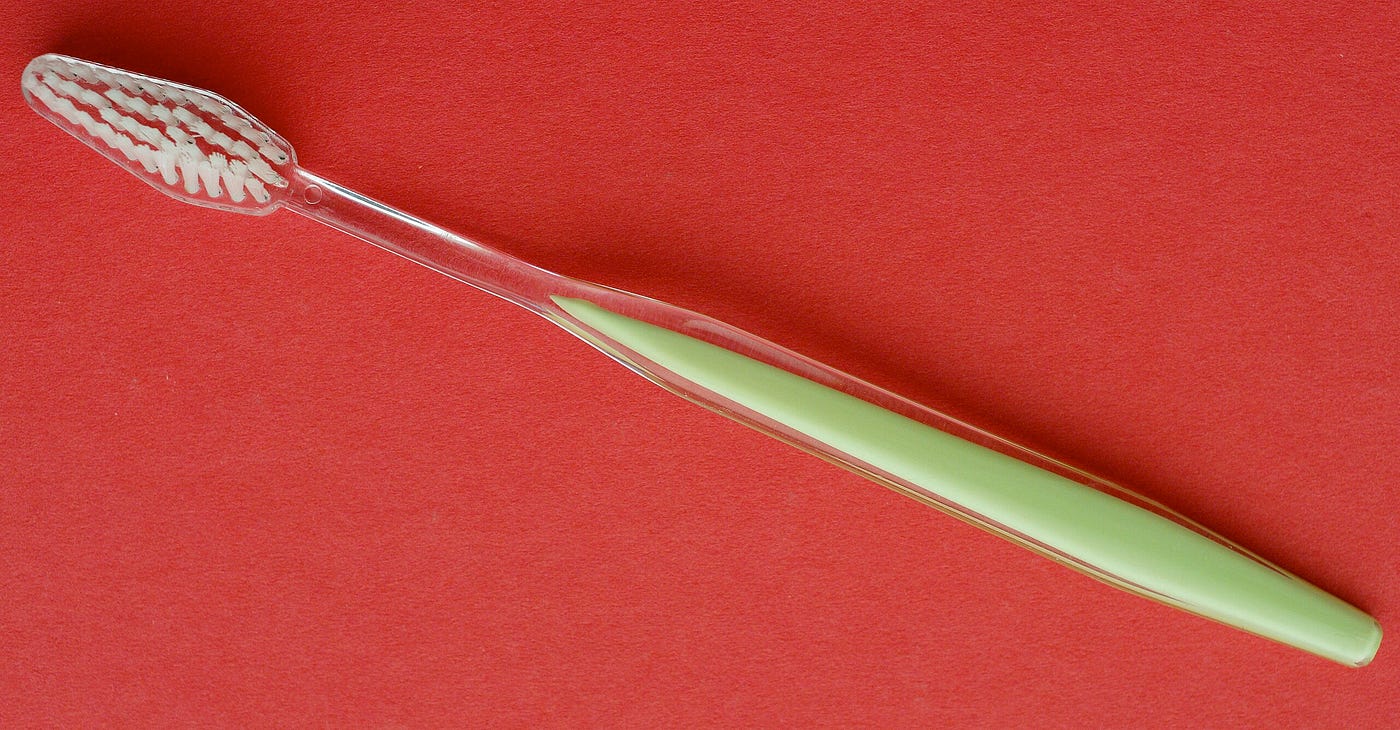
This process would be as simple as it was effective. Using a hydraulic press along with metal moulds, material would be inserted into the moulds where it would face both heat and pressure that would allow it to form its design and take shape.
Controversy
As adoption would grow, so too would the world’s population and as such, we’d see an increased focus on the damage that plastic and the manufacturing process would do to the world’s oceans and environments.
With everything from toothbrushes to car parts and even technology like SD cards being influenced by injection moulding, manufacturing became quicker and easier, but there’s no denying that behind the scenes, the world would still pay a hefty price for access to these cheap products.
The adoption of single-use plastics and injection moulded products would see us adopting technologies that would take significant periods of time to break down and, in some instances, would be responsible for introducing the “forever chemicals” into our food and water supplies.
Most people at this point have at least heard of discussions around microplastics and their effects on humans, but sadly, too many people still aren’t aware of the problems faced at scale.
While there have been plenty of campaigns and work regarding minimising the adoption of single-use plastics and even attempts to phase out such products, the reality is that the problem is two-fold. Not only do we overproduce said products, but we lack the ability to recycle and remanufacture them at scale.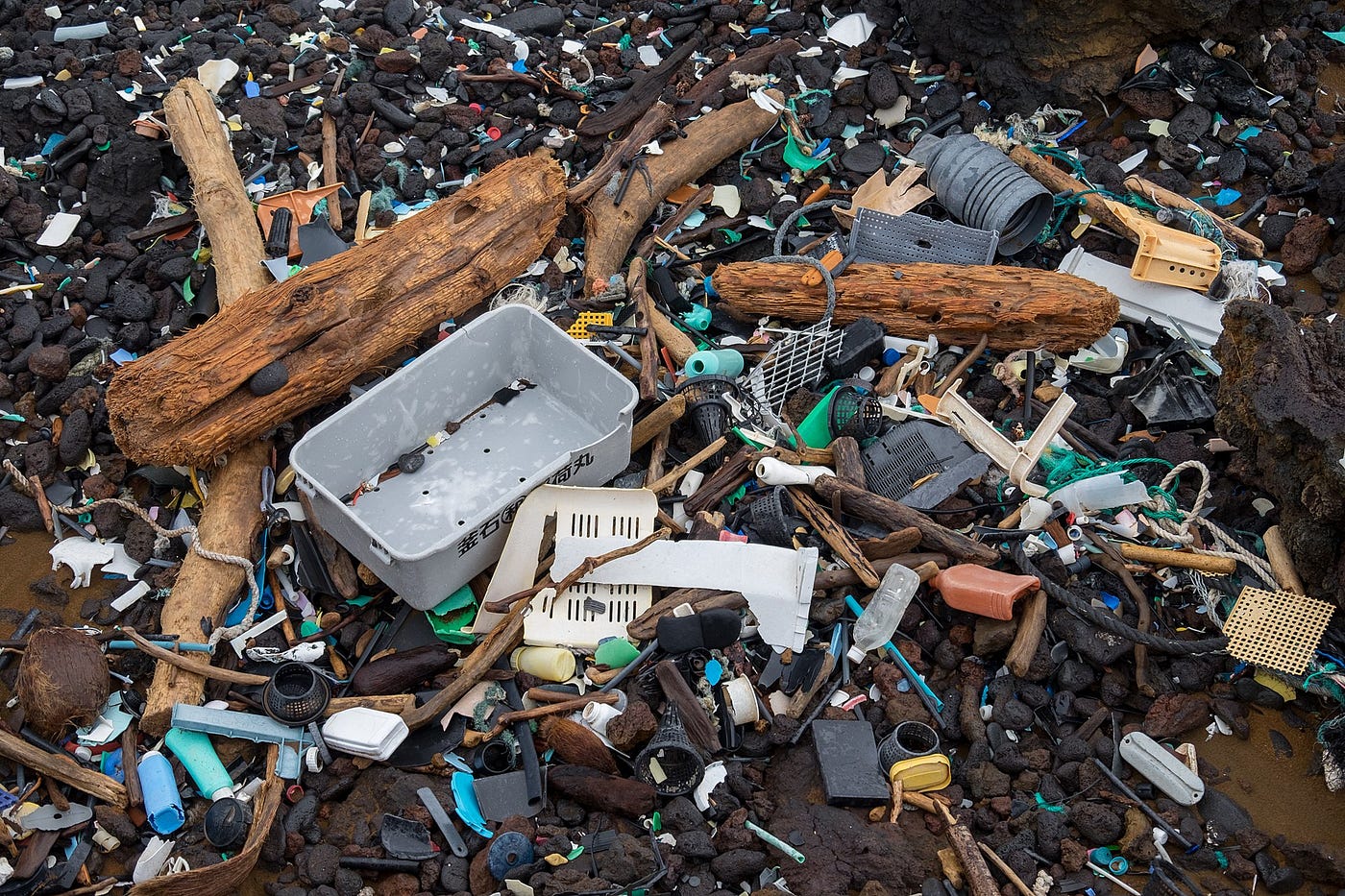
Future Development
You can’t have a discussion about the problems of waste without looking at the impact that single-use materials have on humanity. While they aren’t without problems, they’ve certainly made it easier to improve our quality of life and store foodstuffs so we don’t have to struggle through harsh seasons like we used to.
So it’s little surprise that one of the biggest future developments of injection moulding technology is the research and focus around new, biodegradable materials for manufacturing. It’s hoped that some of these new products can help reduce the environmental impact that we currently face.
We’ve covered it in previous articles, but new technology regarding the recycling and reuse of existing plastics is also a key focus area as well. Successfully tackling this issue can improve our environmental footprint by ensuring that we effectively reuse and tap into the broad availability of existing plastic products.
While injection moulding isn’t without its problems, plenty of people are still working towards solving some of these issues.
If you found this article insightful, informative, or entertaining, we kindly encourage you to show your support. Clapping for this article not only lets the author know that their work is appreciated but also helps boost its visibility to others who might benefit from it.
🌟 Enjoyed this article? Join the community! 🌟
📢 Join our OSINT Telegram channel for exclusive updates or
📢 Follow our crypto Telegram for the latest giveaways
🐦 Follow us on Twitter and
🟦 We’re now on Bluesky!
🔗 Articles we think you’ll like:
- What The Tech?! Space Shuttles
- Shodan: A Map of the Internet
✉️ Want more content like this? Sign up for email updates