What The Tech? Nylon

One of the biggest benefits of modern chemistry has been the ability to identify and isolate new materials and products. This has helped to bring evolution to the forefront, as humanity has placed a greater value on synthetic fibres. While early clothing and textiles would focus on developing natural fibres, industrialisation would help introduce new man-made fibres.
It’s hard to imagine a roll of cloth or a piece of material being “revolutionary”, but to some people, when Nylon was released, it would be just that. What would start with the toothbrush would play out over decades, ending with fast fashion and marking the decline of natural fibre dominance.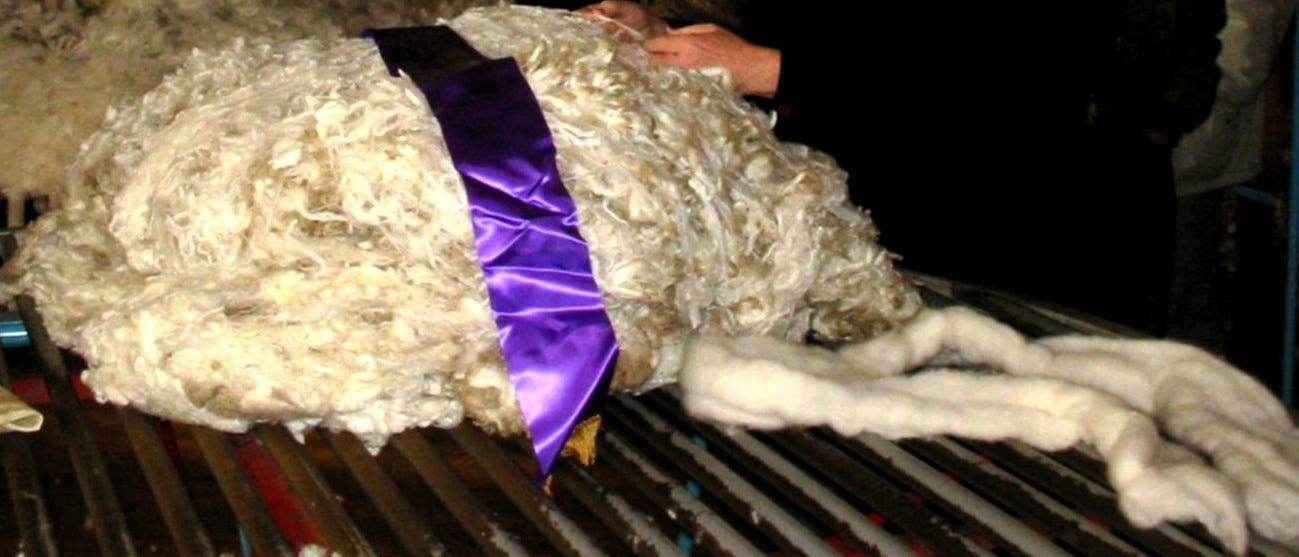 Wool would dominante the textile industry for a long, long time. Source: Wikipedia.
Early Beginnings
Early fashion would rely much on wool, cotton and silk fibres to produce durable everyday goods and even luxury goods. Due to the production process, this task was typically labourious and expensive, all factors that were passed on to the end consumer.
Because of this, materials scientists would see huge benefits in being able to successfully create and implement durable, man-made fibres. Many would experiment in an attempt to identify a process that worked, but for Nylon, it would take some evolutions in chemistry to kick that off.
It was the late 1920s when DuPont scientist Wallace Carothers would carry out his research on new materials, or more specifically, new polymers. His team aimed to replicate the natural strength and durability of silk, which had plenty of industrial potential.
Work on this would start slowly, but by the mid-1930s, the process was starting to move along. The introduction of polyamide 6.6, synthesised from hexamethylenediamine and adipic acid, would provide the chemical breakthrough needed to make the process work reliably, with the added benefit of giving the material the ability to be extruded and drawn into fibres.
By 1935, they would have a thermoplastic product that was able to be shaped under heat, was durable, flexible and abrasion resistant. From this point, it would take just 3 years for DuPont to establish a production line and deliver nylon to the world.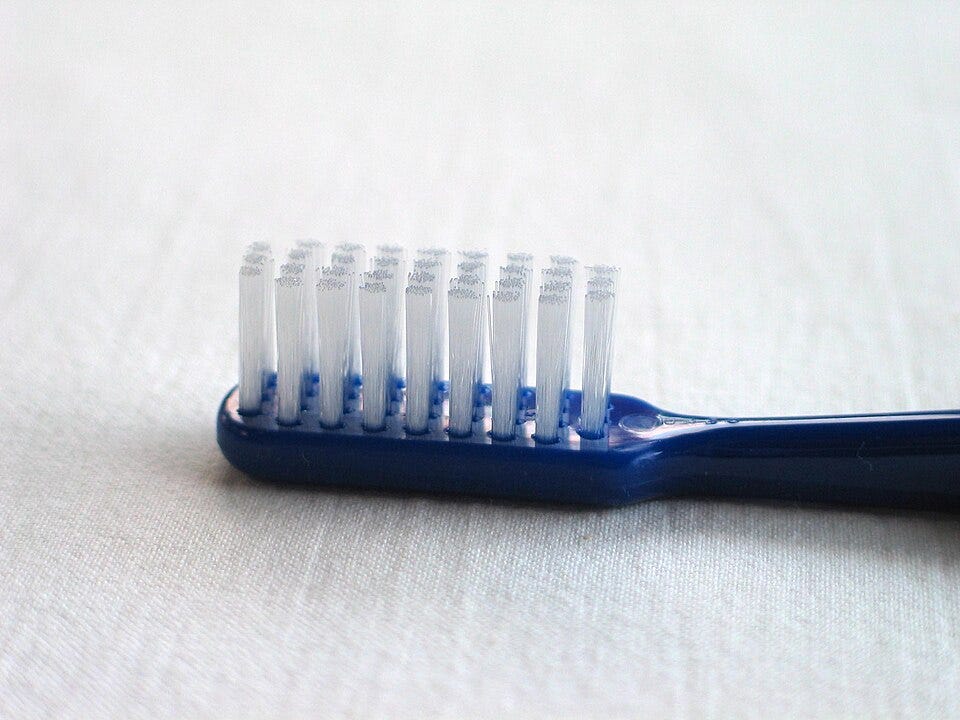 The first real implementation of Nylon would be the modern toothbrush. Source: Wikipedia.
WW2, Fashion & Advertising
Today, Nylon is best known for contributing to the modern fashion industry. At the start, though, it would help raise the standards for oral hygiene, being used as a synthetic toothbrush bristle. Then they’d rock the world, being introduced as the ever-familiar stockings, before making an entry into the world of fast fashion in 1939, thanks to a headlining display at the 1939 New York World’s Fair.
DuPont would also spend big on an advertising campaign that aimed to bring the benefits of nylon to the centre stage. No longer would the world be reliant on the slow production of animal-based fibres. The ability to produce Nylon at an industrial scale would unlock a whole new industry that was focused on affordability.
The fact that Nylon still exists today is a testament to the strength of this advertising campaign, but it’s worth pausing for a second to understand just how deeply this sentiment would run.
For women, Nylon stockings were the must-have fashion accessory of the era, while for the world, the campaign would spark off “nylon fever” as people began to realise just how durable and affordable the new material was.
Similar to how people will line up for hours today to purchase the latest iPhone, the introduction of Nylon would create genuine hype that would only grow with time.
With the world on the brink of war entering the 1940s, nylon would be heavily used by the military for everything from parachute lines to ropes and even tents. This would cement Nylon’s legacy as a modern, synthetic fibre, as it demonstrated the potential of polymer chemistry to transform materials science.
It would also lay the foundations for polyester, acrylic, spandex, and modern synthetic fibres.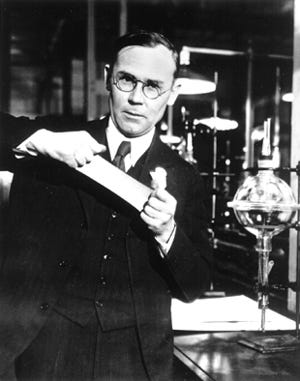 Wallace Carothers and his team at DuPont would create a product that would change the world. Source: Wikipedia.
Sustainability & Durability
Nylon is strong, abrasion-resistant, mould and chemical-resistant, and maintains its elasticity over time. You’d read this and think that it sounds like the perfect product for humans, but all is not as it seems.
Most nylon is petroleum-based, non-biodegradable, and energy-intensive to produce, meaning that the product comes with a distinct environmental footprint, not to mention more than a few ethical considerations regarding its long-term risk to humans.
The issue of microplastics and their effect on the human body has been discussed for some time now, and the downside of Nylon is suspected to contribute to these effects. The product tends to break down when exposed to UV, heat and repeated washing, and the prolific use of it within the fashion industry has contributed to some of the issues the world faces around microplastics.
While this isn’t a great scenario to be in, it has spurred new urgency around the development of sustainable nylon, a product that helps to mitigate some of these issues. This has meant that research teams have tackled this same issue from many different angles, leading to some potentially interesting future developments.
Future Fibres
With many modern ventures focusing on sustainability and environmental footprint, Nylon would undergo a midlife redevelopment. While the original product relied on fossil fuel products for its development, modern iterations aim to use plant-based materials that are easier to recycle at the end of life.
The concept of recycled Nylon would also be introduced. This process aimed to close the gap between production and recycling, reducing the need for petroleum-based products and the emissions footprint of the end product.
One of the most interesting concepts is the development of the “closed-loop” manufacturing process. Here, chemical recycling methods at an industrial scale aim to produce new Nylon and Nylon products based entirely on recycled and remanufactured Nylon.
It isn’t just manufacturers that are looking at the lifecycle process, however. Some fashion retailers have identified issues raised by the reliance on Nylon and have pledged to deal with these issues in future products. This commitment to sustainable resources aims to reduce the amount of Nylon entering landfills and aims to develop sustainable practices for the fashion industry.
Chemistry is unique in that it has the ability to both create and solve some of the world's biggest problems.
If you found this article insightful, informative, or entertaining, we kindly encourage you to show your support. Clapping for this article not only lets the author know that their work is appreciated but also helps boost its visibility to others who might benefit from it.
🌟 Enjoyed this article? Join the community! 🌟
📢 Join our OSINT Telegram channel for exclusive updates or
📢 Follow our crypto Telegram for the latest giveaways
🐦 Follow us on Twitter and
🟦 We’re now on Bluesky!
🔗 Articles we think you’ll like:
- What The Tech?! Space Shuttles
- Shodan: A Map of the Internet
✉️ Want more content like this? Sign up for email updates