Geopolitics and Crypto

Why Geopolitics (Like the US–Iran Conflict) Has Shown Limited Long-Term Impact on Crypto
Recent Middle East tensions have caused momentary crypto sell-offs but structur’t tell the whole story.
Here’s why the overall crypto market hasn’t been significantly derailed by geopolitics:
1️⃣ Short-Term Reaction vs. Long-Term Trends
It’s true Bitcoin and other tokens dipped when headlines hit e.g., BTC fell several percent as news broke of attacks on Iran and global uncertainty spiked.
But prices rebounded quickly in most cases, showing that longer-term investors aren’t abandoning crypto en masse after a single event.
Yahoo Finance
2️⃣ Crypto Behaves Like Risk Assets, Not Traditional Safe Havens
In global crises, traditional safe havens like gold surge.
Crypto often behaves more like high-beta tech assets moving with risk sentiment rather than geopolitical fear.
Historical data shows that even during past tensions, Bitcoin’s volatility was relatively muted compared with traditional markets.
3️⃣ Institutional Flows & Market Structure Matter More
A large portion of daily crypto volume now comes from institutional products (like ETFs and high-frequency trading), which can dampen knee-jerk reactions to news events.
This structural liquidity can absorb geopolitical news without causing prolonged chaos.
4️⃣ 24/7 Liquidity Absorbs Shock Faster
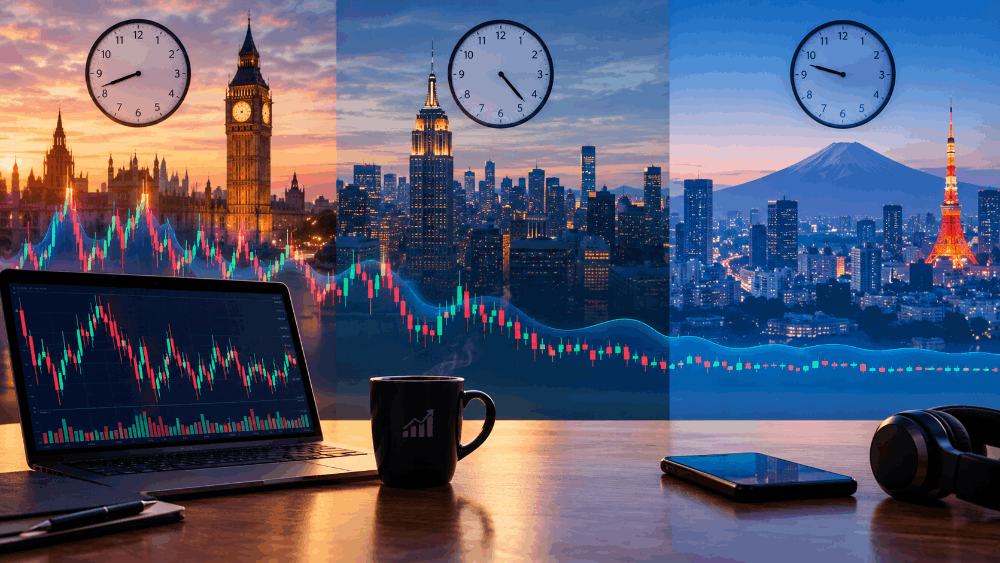
Unlike stock markets that close on weekends or holidays, crypto trades around the clock.
This means information is priced in continuously often smoothing out reactions over time rather than creating sharp, lasting moves.
5️⃣ Broader Macro Signals Still Drive Markets
Geopolitics can influence crypto, especially via macro channels like inflation or interest rates if, say, oil prices surge from supply disruption.
But these effects are indirect and slow not instantaneous blows that redefine market structure.
In summary:
Yes headlines can trigger short-term volatility, liquidations, and fear sentiment.
But crypto markets aren’t fundamentally altered just because of geopolitical conflict alone.
Traders price risk, absorb it, and move on especially when long-term trends like adoption, regulation, and on-chain activity remain intact.