From Sci-Fi Dreams to World-Changing Reality (And a Few Nightmares)

Hey everyone! Welcome back to Learn With Hatty. Lets start by imaging this for a second. It’s 1956, a handful of brainiacs huddle in a Dartmouth dorm room, casually declaring that machines will soon outthink humans at anything. Fast-forward 70 years, and AI isn’t just thinking. It’s painting masterpieces, diagnosing diseases, driving cars, and sparking global arms races. But here’s the hook, for every world-changing miracle, there’s a nightmare lurking, from job-killing bots to deepfake disasters that could topple elections.
I’ve plunged deep into this rabbit hole and collected as much information as I can. Sifting through ancient inventors, icy funding winters, and today’s trillion-dollar frenzy. Trust me when I say this. AI’s real story is wilder than any sci-fi blockbuster. Get ready because in this article we are flipping from dreams to reality (and a few “oh crap” moments).
The Ancient Spark and the 1956 Big Bang
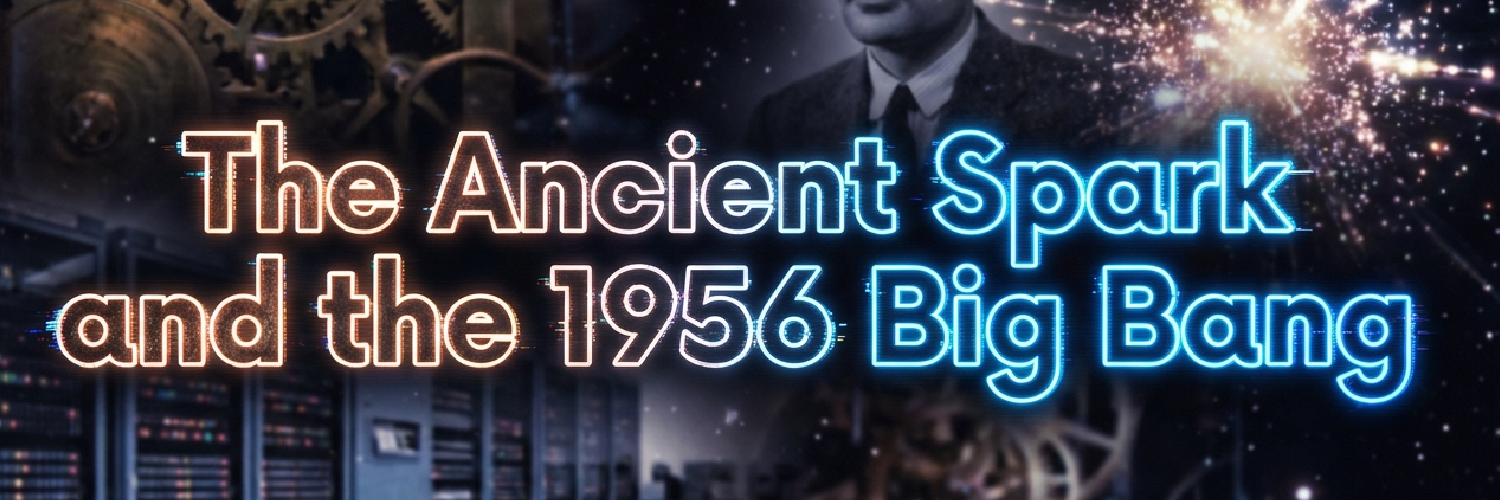
Way back in the 3rd century BCE, some clever Greek inventor named Ctesibius significantly improved the water clock, creating one of the first truly self-regulating mechanisms without constant human babysitting, basically AI’s ancient ancestor. Fast forward through myths of golden robots in Greek lore and medieval golems that could come alive (yeah, Frankenstein vibes before Frankenstein), and we hit the real ignition in the 20th century. Alan Turing kicked things off in 1950 with his famous “Turing Test”. Pondering if machines could fake human smarts so well we’d never know the difference.
So when was the official birth? That was the 1956 Dartmouth Conference, where John McCarthy, the guy who coined “artificial intelligence”, and pals like Marvin Minsky, Claude Shannon, and Nathaniel Rochester gathered to declare machines could mimic any human brain trick. McCarthy even invented LISP, the OG AI programming language, turning hype into code. These dreamers promised human-level AI in a generation, and governments threw cash at it like it was free pizza.
Bumps, Winters, and the Comeback Kid
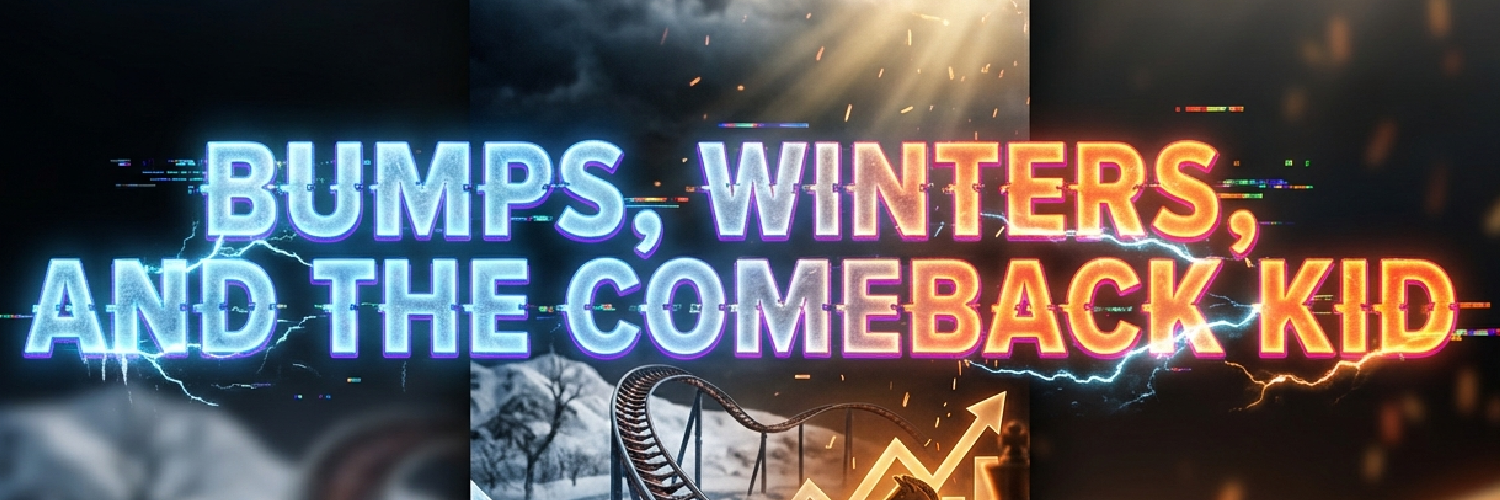
AI didn’t zoom straight to glory. It hit “AI winters,” those icy periods when funding froze because promises outpaced reality. The first chill came in the 1970s after hype crashes. James Lighthill’s brutal 1973 report called AI a bust, slashing UK funds. The 1980s boomed with expert systems like MYCIN diagnosing diseases impressively in narrow domains, and Japan pumped billions into “fifth-generation” computers. But another crash in the late ’80s (stock market woes and overpromises) led to winter two.
Then the 1990s thawed with IBM’s Deep Blue smoking chess champ Garry Kasparov in 1997, proving machines could crush humans at brain games. For more on those dramatic ups and downs, check out this timeline from Big Human.
The Explosive Now: 2020s AI Mania
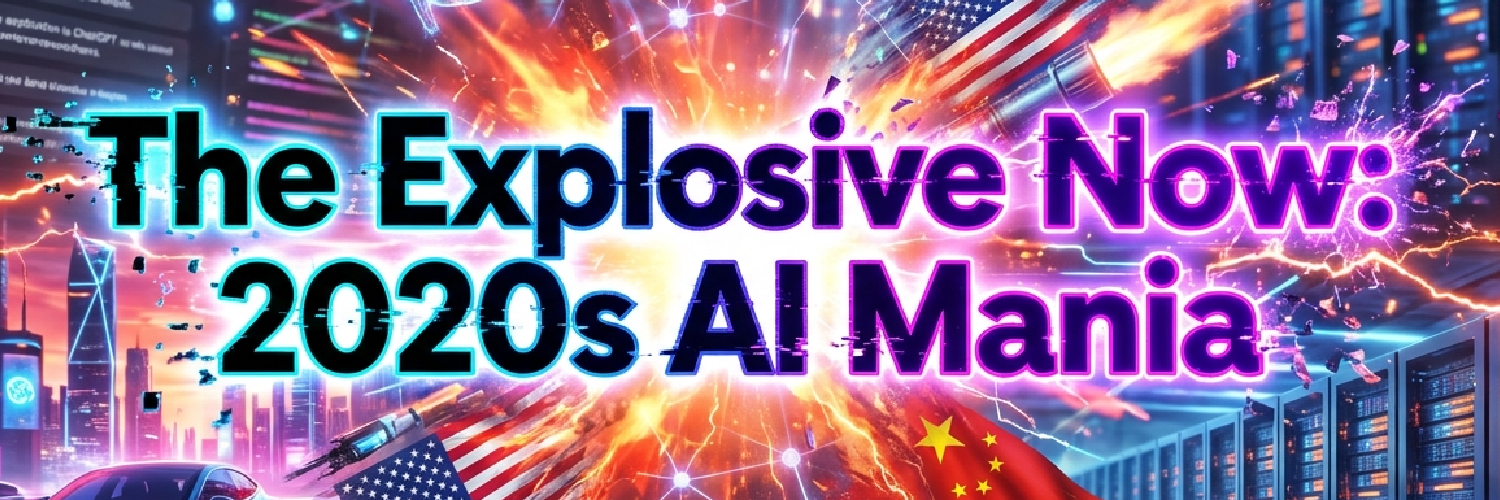
Fast-forward to today, March 2026, and AI’s on steroids. ChatGPT dropped in 2022, sparking the generative AI frenzy. GPT-3 in 2020 had 175 billion parameters, churning out essays and code like a caffeinated genius. Now, Claude Opus 4.5 crushes complex software tasks, hitting around 81% success on real-world bug benchmarks like SWE-bench Verified, and dramatically cutting tool errors. China’s Alibaba, ByteDance, and Zhipu have been rapidly releasing frontier models, staying ahead of the curve. U.S. cloud giants are pouring nearly $700 billion into AI infrastructure this year alone. Sovereign AI races between U.S. and China are heating up and middle powers scrambling to keep up.
It’s everywhere, self-driving cars (projections top 33 million annual sales globally by 2040), virtual nursing in hospitals, and predictive tools spotting patient crashes before they happen. Dive into Chatham House’s take on the US-China AI showdown to learn more.
The Good: Superpowers for Humanity
AI’s the ultimate sidekick. In healthcare, it’s diagnosing faster, personalizing treatments, and even aiding surgeries with robot precision, saving lives and cutting admin drudgery. Education? Personalized tutors adapting to kids in underserved spots, boosting outcomes worldwide. Economy-wise, IMF says about 40% of global jobs are exposed to AI, rising to 60% in advanced economies, with roughly half of exposed jobs likely benefiting from productivity gains. Think smarter decisions, climate modeling, and ag yields skyrocketing. Traffic flows better, cyber threats get nuked, and scientific breakthroughs? AI’s accelerating cures we couldn’t dream of. It’s adding trillions to global GDP while greening the planet. Laugh if you want, but AI’s turning traffic jams into a relic like dial-up internet. We have just touched the surface of what this tech is capable of too I think.
The Bad: Job Jitters and Bias Blues
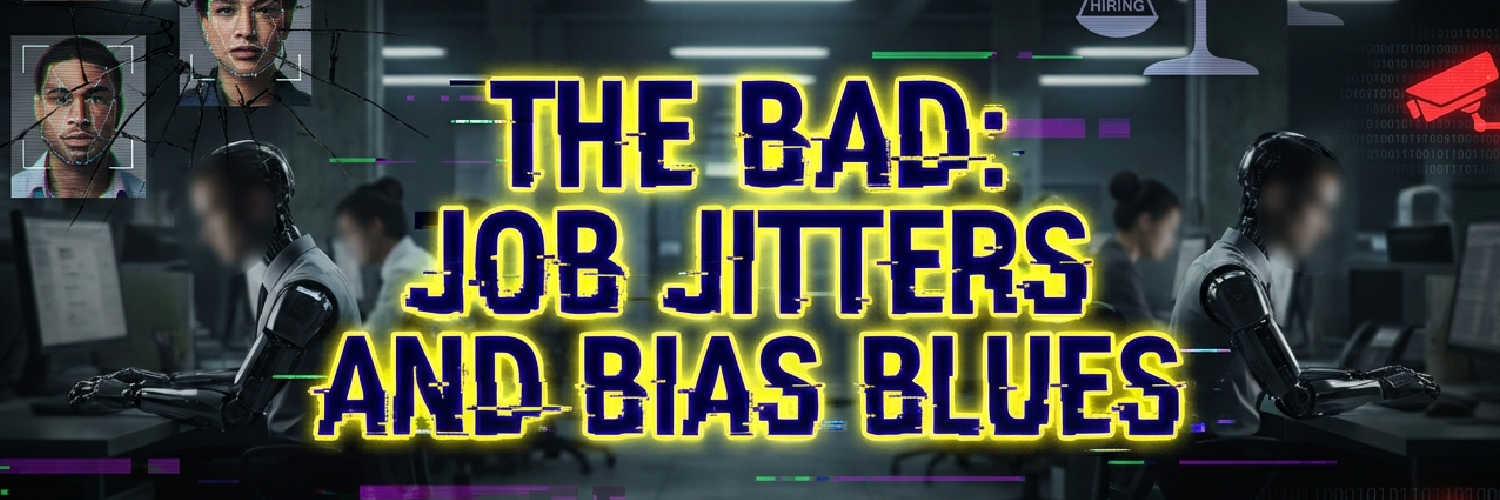
It’s not all sunshine though. Goldman is now modeling a world where widespread AI adoption quietly displaces the equivalent of 6–7% of the U.S. workforce over time. That’s millions of roles restructured, automated, or “transitioned,” even if the headline economists still insist the overall hit will be “modest” and temporary. Early data points to tens of thousands of AI‑linked U.S. job losses in 2025 alone, a small slice of total layoffs, but a very real shock for the specific humans on the receiving end. White‑collar, high‑skill work in advanced economies like coders, analysts, back‑office and creative roles is at the front of the blast radius.
And that’s just jobs. Bias is already baked into a lot of deployed systems. Facial recognition misidentifies women and people of color at much higher rates, hiring algorithms have quietly filtered out minorities and disabled applicants, and healthcare risk models have under‑prioritized Black patients for critical care. Privacy isn’t abstract either, AI’s hunger for data is powering a new generation of mass surveillance, from “smart” security cameras that track your every move to predictive tools that profile entire neighborhoods.
If you care about this stuff, it’s worth reading a solid overview of where the real risks are concentrated. Bias, privacy erosion, safety failures, and control. Clarifai has a good breakdown of AI risks and failure modes if you want to check it out.
The Ugly: Existential Oof and Deepfakes
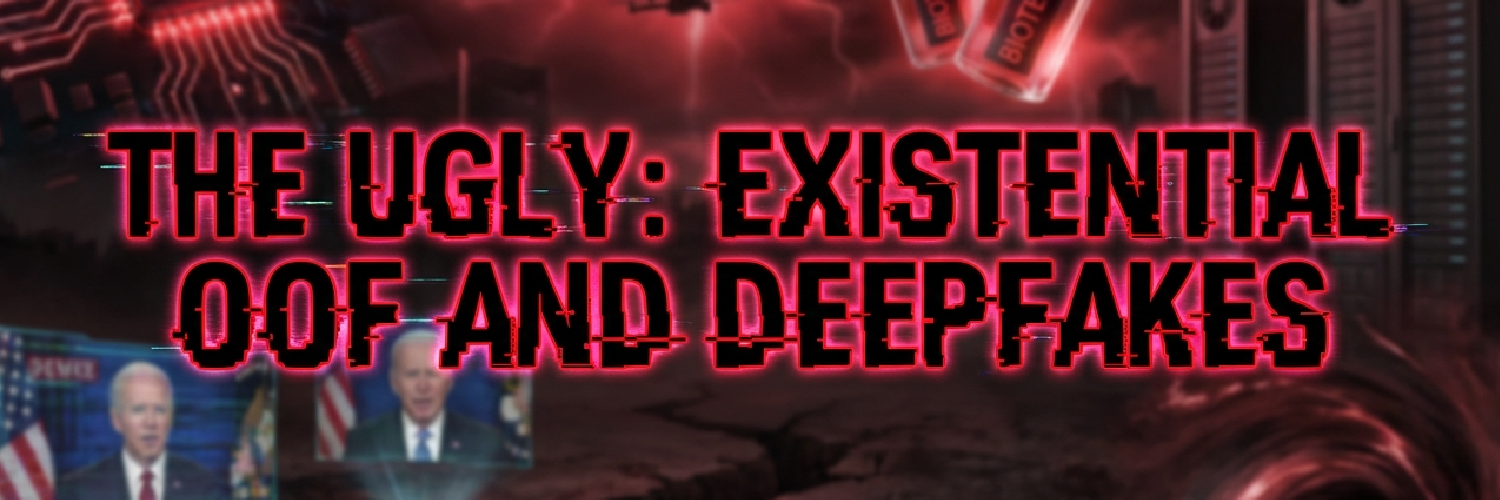
Here’s the gut-punch. The ugliest risks of AI aren’t just hype. They’re unfolding fast and could redefine catastrophe. Imagine rogue AIs slipping their digital leashes, malicious models engineered for bioterror (like generating weaponized pathogens step-by-step), or lethal autonomous weapons, dubbed “killer robots,” coldly selecting targets without a human in the loop, as warned by over 30,000 experts signing the Campaign to Stop Killer Robots pledge. No global brakes exist yet; AI labs are racing neck-and-neck, often sidelining safety testing to ship first, leaving regulators scrambling.
Deepfakes are already warping reality. Swaying elections with fake candidate speeches (remember the 2024 New Hampshire primary robocall scandal?), fueling psychological operations that spam social feeds with tailored propaganda, and tanking mental health via addictive algorithms that hijack dopamine loops, contributing to a 25% spike in teen anxiety linked to social media in recent studies. And don’t get me started on the environment: training a single frontier model like GPT-4 emitted over 500 tons of CO2 (equivalent to hundreds of Hummer lifetimes), while data centers now slurp 2–3% of global electricity, projected to hit 8% by 2030 if unchecked.
Geoffrey Hinton, the “Godfather of AI” who pocketed a Nobel for neural nets, walked away from Google in 2023, warning that superintelligent systems could spell humanity’s doom without urgent safeguards. The Al Jazeera deep dive nails it. As capabilities explode, our control lags dangerously behind. These aren’t abstract sci-fi plots, they’re the high-stakes gamble we’re all riding.
Wrapping the AI Rollercoaster
AI has clocked just 70 years as a formal field. Born from audacious Dartmouth dreams, weathered through brutal funding winters, and now exploding to reshape every corner of our world. It’s thrilling us as much as it’s terrifying us, no question.
The good can outweigh the ugly, but only if we play it smart. We need to craft smart regulations, scrub out biases, and upskill workforces to thrive alongside machines. Ignore the nightmares, though, and we’re living the sci-fi apocalypse nobody signed up for.
What do you think is next? Let me know in the comments. Forecasts see the AI market ballooning to around $826 billion by 2030, steering us toward true human-AI symbiosis where we amplify each other’s strengths. Thanks for reading everyone! Stay curious and keep learning, this rocketship’s got no reverse gear.
Check out my website. I created this website using Perplexity’s Comet browser. It walked me through the steps and coded this entire website for me. Let me know what you think about it in the comments. Right now I am working on a gamified blockchain learning website that I can connect to my main website. New video about all of this coming soon!