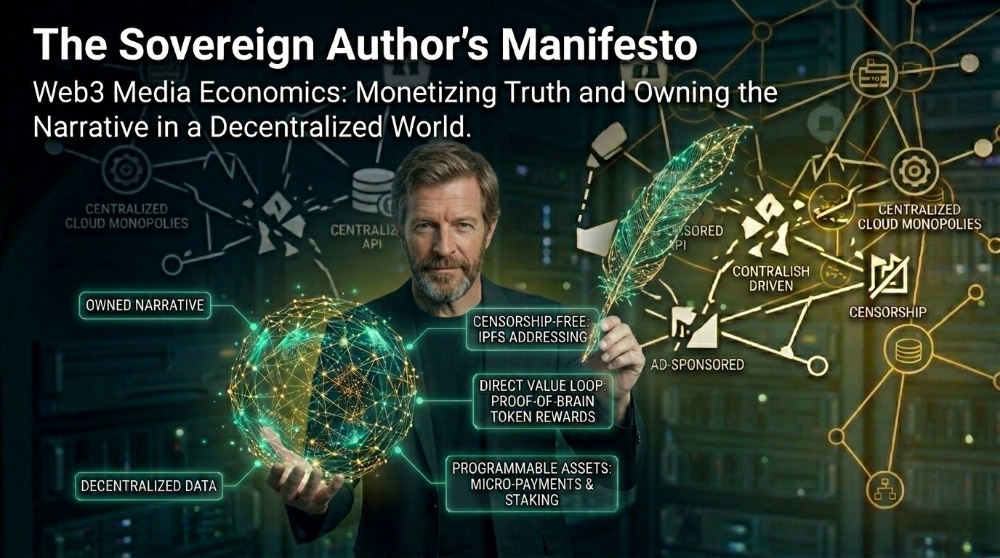
Web3 Media Economics: Monetizing Truth and Owning the Narrative in a Decentralized World.

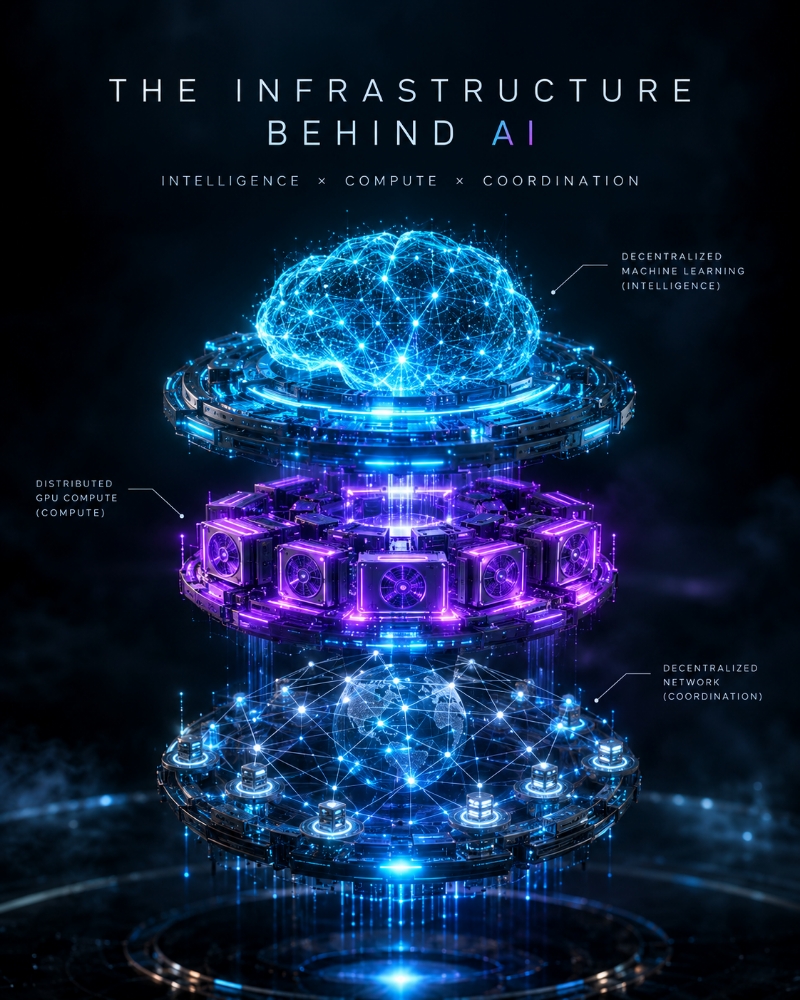
When I started this four-part series, I laid down a firm marker: the era of superficial, algorithm-driven content creation — that endless digital noise surrounding us — is dead. In Part 2 and Part 3, we dove deep into the hardcore reality of technology and infrastructure, examining how centralized legacy systems are failing under the weight of AI-driven medical datasets, and how DePIN networks offer the only scalable, zero-trust solution to the global compute crisis.
But as a content architect and Web3 researcher, I know that technology does not exist in a vacuum. The very same structural crisis happening in enterprise computing is happening to human expression. The infrastructure that holds our medical data is the exact same corporate infrastructure that hosts our words, our research, and our ideas.
If we rely on centralized Web2 platforms to publish deep, systemic research, we are building our houses on a foundation of quicksand. Today, in this final part, we are breaking down the practical mechanics of Web3 Media Economics. I will show you exactly how independent creators can bypass corporate algorithmic distribution, build censorship-free media networks, and fundamentally rewrite the financial relationship between authors and their audience.
1. The Decentralized Storage Layer: Achieving True Censorship-Resistance
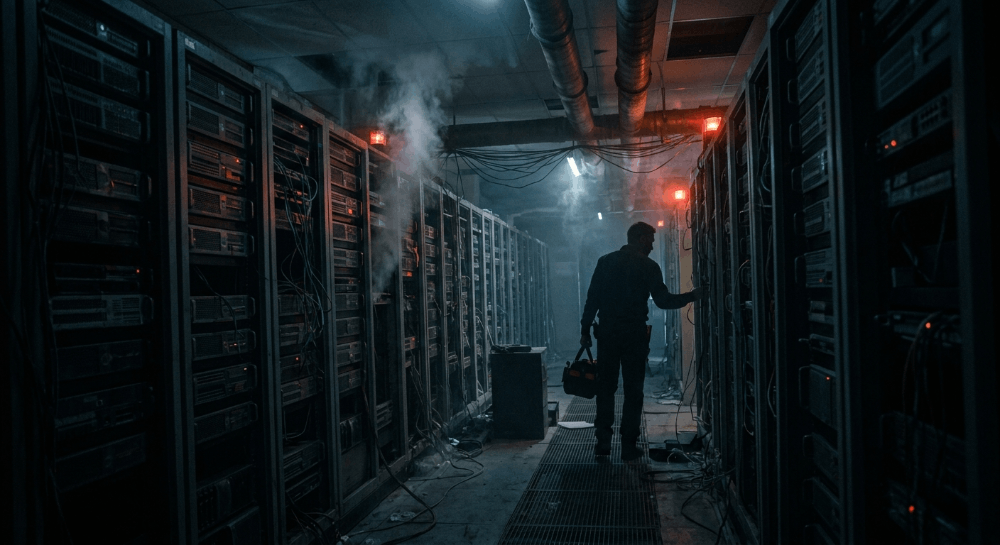
To understand why Web3 media is a structural necessity, you have to look at how fragile Web2 publishing actually is. When you post an article on a traditional centralized platform, you don't own that content. It lives on a centralized server node. If an algorithm changes, if a corporate policy shifts, or if a centralized entity decides your deep technical analysis doesn't align with their advertisers, your entire life's work can be shadowbanned, de-platformed, or deleted in a single second.
As an independent researcher, I refuse to accept that vulnerability. Web3 media flips this dynamic by moving the data layer onto decentralized storage protocols like IPFS, Arweave, or Hive.
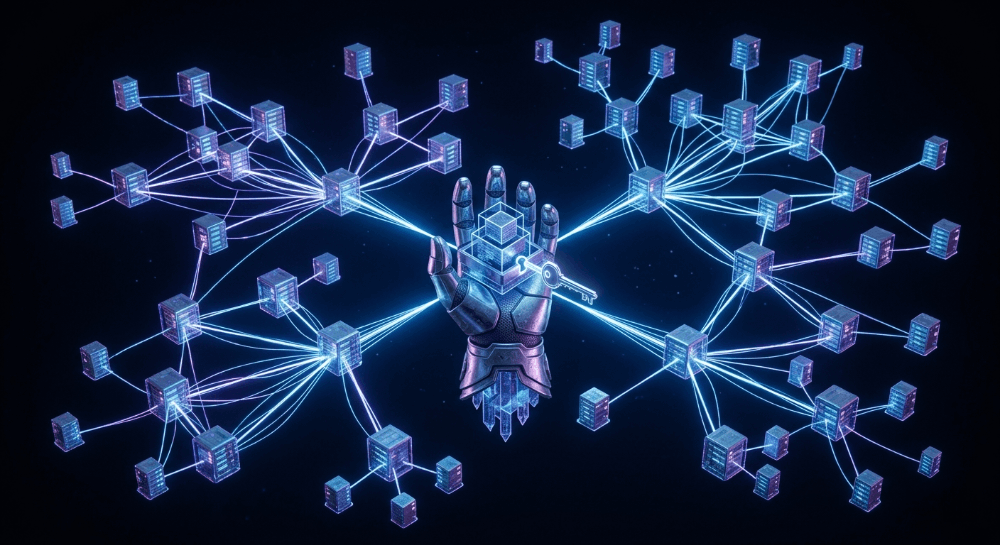
Immutable Content Addressing:
In Web3, your text isn't tied to a specific corporate URL that can be blocked. It is assigned a unique cryptographic hash based on the content itself. Once published to a decentralized ledger, it becomes a permanent, immutable record.
Non-Custodial Data Ownership:
You hold the private keys to your publishing identity. The platform is merely a frontend interface viewing the blockchain; they do not own the data layer. If a specific interface attempts to censor your voice, you can simply point your audience to another decentralized gateway, and your entire media empire remains fully intact and instantly accessible.
2. The Tokenization of Attention: Bypassing the Ad-Driven Corporate Margin
Why is modern journalism and technical writing so broken? Because the economic model of Web2 is inherently predatory. Centralized platforms survive on an ad-supported clickbait economy. They capture 100% of the user attention data, extract massive corporate profit margins, and throw pennies back to the actual creators while forcing them to optimize for a dopamine-driven algorithm.
In Web3 Media Economics, we replace the corporate middleman with an autonomous, tokenized value loop.

Direct Protocol Incentives:
On platforms utilizing native token rewards (such as the Hive ecosystem or Web3 social graphs), value is distributed algorithmically based on proof-of-brain and decentralized curation. When the community upvotes or engages with high-level research, native tokens are minted directly from the protocol layer and transferred directly into the creator's non-custodial wallet.
The Elimination of Ad Dependency:
Because the revenue stream is hardcoded into the network consensus rather than corporate ad budgets, independent creators no longer have to compromise the depth of their work. You don't need millions of casual clicks to survive; you need a dedicated, sovereign community of users who utilize the protocol to value your research. This completely aligns the economic incentives of both the author and the reader.
3. Programmable Sovereignty: Micro-Payments, Staking, and Creator Autonomy
An architecture is only as powerful as its financial flexibility. In Web3, your content isn't just a static layout of words; it is a programmable asset. By leveraging smart contracts and digital wallet integrations, independent authors can execute complex economic strategies that are physically impossible in the legacy fiat system.

Frictionless Micro-Transactions:
Traditional payment gateways charge massive base fees that make paying 5 or 10 cents for an in-depth analytical report impossible. With optimized Web3 micro-faucets and layer-2 lighting transaction networks, readers can seamlessly stream fractional micro-payments directly to the author per paragraph or per article read, without any intermediary taking a cut.
Community Alignment via Staking:
Instead of a traditional restrictive subscription model, Web3 media introduces the concept of alignment through staking. Your core audience can lock or stake the platform's native tokens in support of your node or profile. This increases your curation weight within the network, boosts your ecosystem rewards, and allows your community to financially back your research without ever spending money out-of-pocket.
Conclusion: The Blueprint of the Sovereign Author
We have reached the end of this journey, and the big picture is now completely clear. The evolution of content is not just about writing better articles or using shinier tools. It is about a structural, architectural migration toward absolute decentralization.
From the personal declaration of high-level research in Part 1, to the terrifying computing deficit of modern medical data in Part 2, to the infrastructure breakthrough of DePIN networks in Part 3, we have traced a single, undeniable reality: centralized monopolies are no longer capable of supporting human progress or free expression. They are too fragile, too expensive, and too restrictive.
As content architects, independent researchers, and sovereign creators, our path forward is fully mapped out. The tools are ready, the infrastructure is live, and the economics are completely on our side. We do not need the permission of corporate algorithms, and we do not need to bow to centralized infrastructure. By leveraging decentralized physical networks for our computing power and tokenized Web3 protocols for our expression, we are building a completely free, un-killable, and sovereign future for human knowledge.

The blueprint is complete. The network is live. It's time to build.
Disclaimer: This series is for informational and educational purposes only. It does not constitute financial, investment, or legal advice. Research and evaluate projects independently before participating in any decentralized networks or tokenized ecosystems.
Part 4 of 4.